OVHcloud integrates Quobly's quantum computer into its cloud platform: a new frontier for sovereign computing
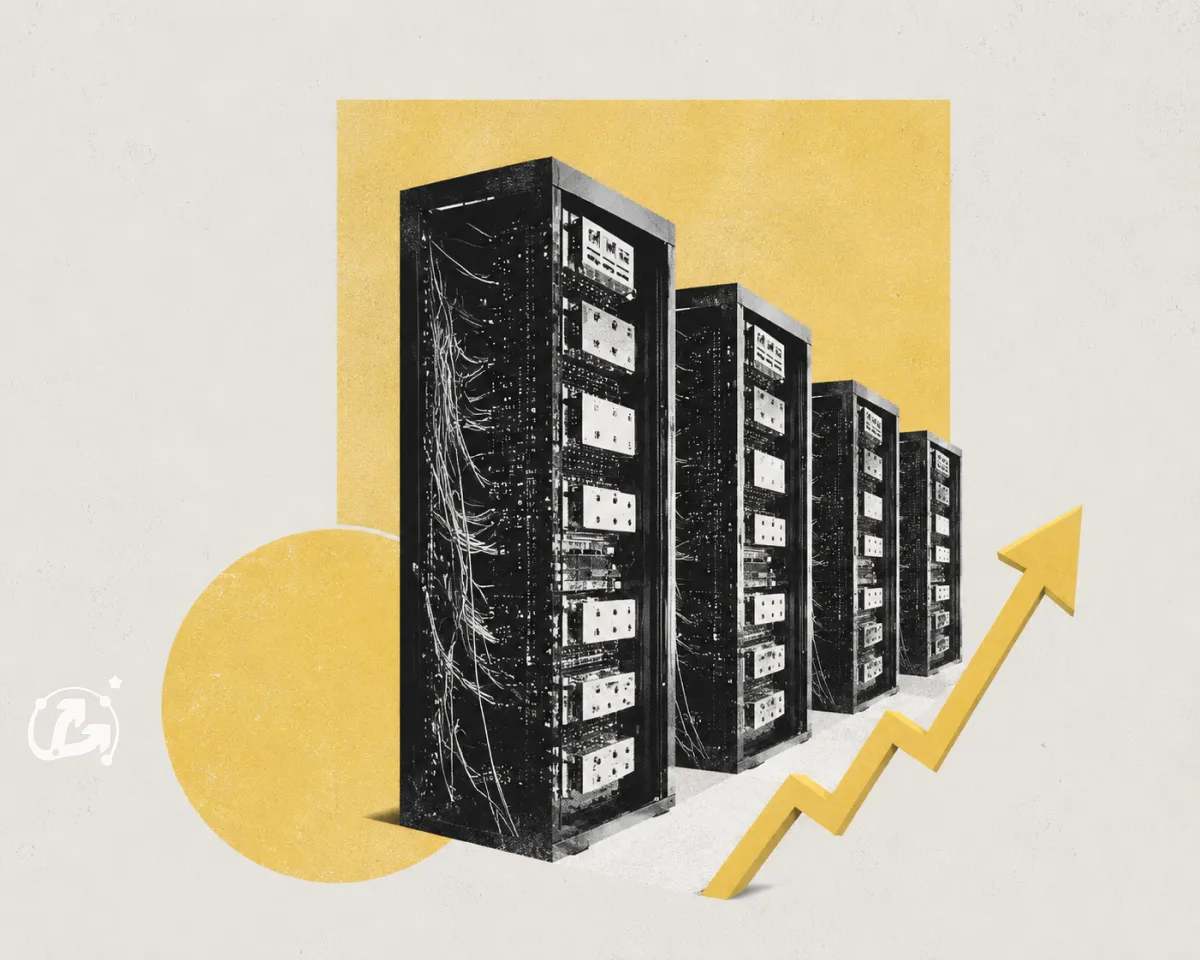
European cloud giant OVHcloud is taking a significant step toward the quantum future. The company has officially announced the expansion of its Quantum Platform, with the key element of this update being the integration of the Alloy Pioneer quantum computer from French startup Quobly. The first commercially available system based on silicon spin qubits is expected to appear in OVHcloud's sovereign cloud by the end of 2026.
Why this matters: Unlike bulky and expensive superconducting systems, Quobly is betting on silicon technology. The Alloy Pioneer is built on 300-mm FD-SOI wafers — an industrial standard in semiconductor manufacturing that has been refined for decades in traditional microelectronics. This approach not only promises to reduce the cost of quantum computing but also ensures unprecedented compatibility with existing classical infrastructure.
For OVHcloud, this is not just a marketing move. Integrating a quantum computer into a sovereign cloud is a direct response to growing demand from European financial institutions, pharmaceutical companies, and the defense sector, where data processing requires avoiding transfer to American or Chinese platforms. In this context, quantum computing becomes a tool for digital sovereignty.
Technically, Quobly uses spin qubits — they are less sensitive to external interference and can operate at higher temperatures than competing solutions. This means exotic cryogenic installations are not needed for cooling, critically simplifying deployment in data centers.
My perspective: The partnership between OVHcloud and Quobly is a signal for the entire market. The quantum threat to cryptography can no longer be ignored, but neither can the new opportunities. Integrating quantum computing into cloud platforms will make it accessible to mainstream businesses, not just academic laboratories. However, real commercial impact is still far off: 2026 is just the beginning, and initial workloads will be limited to narrow niche tasks. Nevertheless, the direction is right: silicon is the language spoken by all modern electronics.