Bitcoin miners on the brink of survival: mining cost exceeds market price
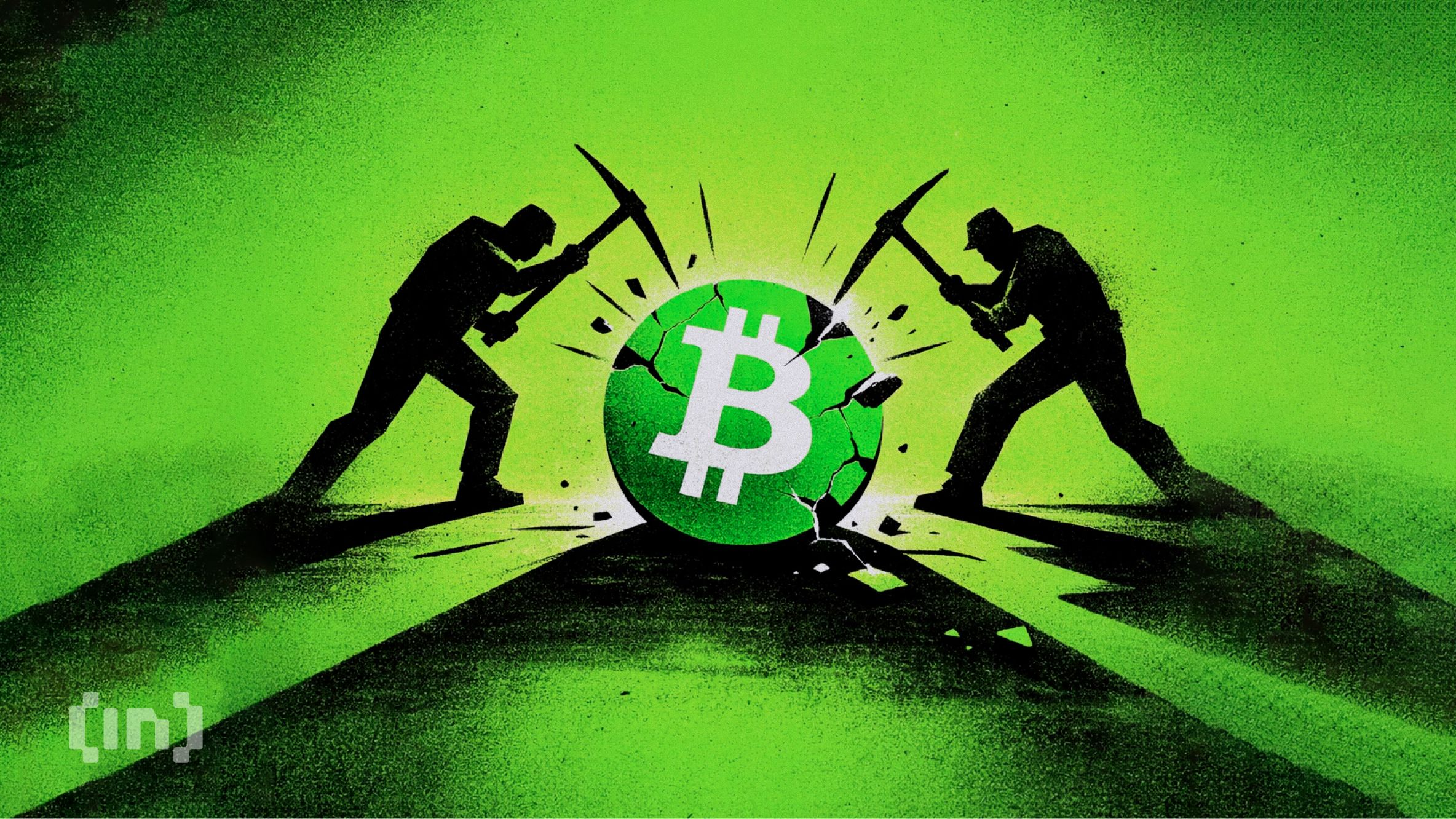
The Bitcoin market is experiencing another phase of pressure from miners. The drop of the leading cryptocurrency below the $60,000 mark in early June triggered a new wave of sell-offs by miners, who find themselves in an extremely vulnerable position. An analysis of fund flows to major exchanges confirms that miners are forced to offload coins to cover operational costs, effectively operating at a loss.
The situation in the mining sector is becoming increasingly alarming. Since October last year, the network's hashrate has declined by approximately 28%. This is direct evidence that a significant portion of participants have either ceased operations or put their equipment into standby mode, attempting to minimize expenses. This reduction in computing power inevitably led to an adjustment in mining difficulty, which decreased by about 20% over the same period. However, these measures have proven insufficient.
Forced Sell-Off Amid Losses
The key issue is the cost of mining one Bitcoin. According to my estimates, for most pools, it currently stands at around $76,000. With the current market price of approximately $65,000, this means that each mined BTC generates a net loss. The only way for miners to stay afloat is to sell part of their reserves, and they are doing so actively.
February was particularly telling, when Bitcoin tested the $60,000 level for the first time this year. On February 5 alone, miners sent over 24,000 BTC to Binance. The average monthly inflow volume from them jumped from 5,000 to 8,000 BTC. The same pattern repeated in June. For four consecutive days, the volume of transfers from miners to Binance exceeded 10,000 BTC per day, peaking at 12,800 BTC. The monthly average rose from 4,700 to 7,100 BTC.
Such large-scale selling in a declining market only amplifies bearish pressure, creating a vicious cycle: the lower the price, the more coins miners need to sell to cover expenses, which pushes the price even lower.
Expert Opinion
The current situation reminds me of the miner capitulation after the halving in 2020, but with one important difference. Back then, the cost of mining was significantly lower, and the market recovered quickly. Now, we are seeing a structural imbalance: the growth in network difficulty and electricity prices is outpacing the dynamics of the BTC exchange rate. Until Bitcoin firmly establishes itself above $80,000, pressure from miners will persist, and this is a key factor restraining bullish momentum. Investors should closely monitor on-chain data regarding coin outflows from pools — this is one of the most accurate indicators of sentiment in the sector.