Kevin Warsh's first meeting at the helm of the Fed: oil crash and historical pattern pressure markets
Today, Kevin Warsh will chair his first Federal Reserve (Fed) meeting as Chairman. Markets are approaching this moment in an extremely tense environment: a Brent crude oil collapse of more than 15% and virtually zero probability of a rate cut create unique pressure on the new head of the regulator.
The main intrigue is what tone Warsh will adopt at the start of his term. According to CME data, the market is barely pricing in a rate cut: the probability of maintaining the 3.50–3.75% range exceeds 97%. As analyst Brett notes, the chances of easing remain virtually zero until April 2027 and only rise to about 8% by December. This means Warsh cannot rely on the traditional tool of market support.
Analyst Bull Theory highlights a troubling historical pattern: over the last century, with each of the 12 new Fed chairs, the S&P 500 index fell in the first 90 days of their tenure. The average drawdown was about 12%. Alan Greenspan posted the worst result with a 33% collapse, while Ben Bernanke had the best (only 2%). During Jerome Powell's tenure, the first 90 days brought a 7% decline, and under Janet Yellen, a 4% drop. No new Fed chair has managed to avoid a drawdown, and now the 90-day countdown begins for Warsh.
Oil Shock and Commodity Risks
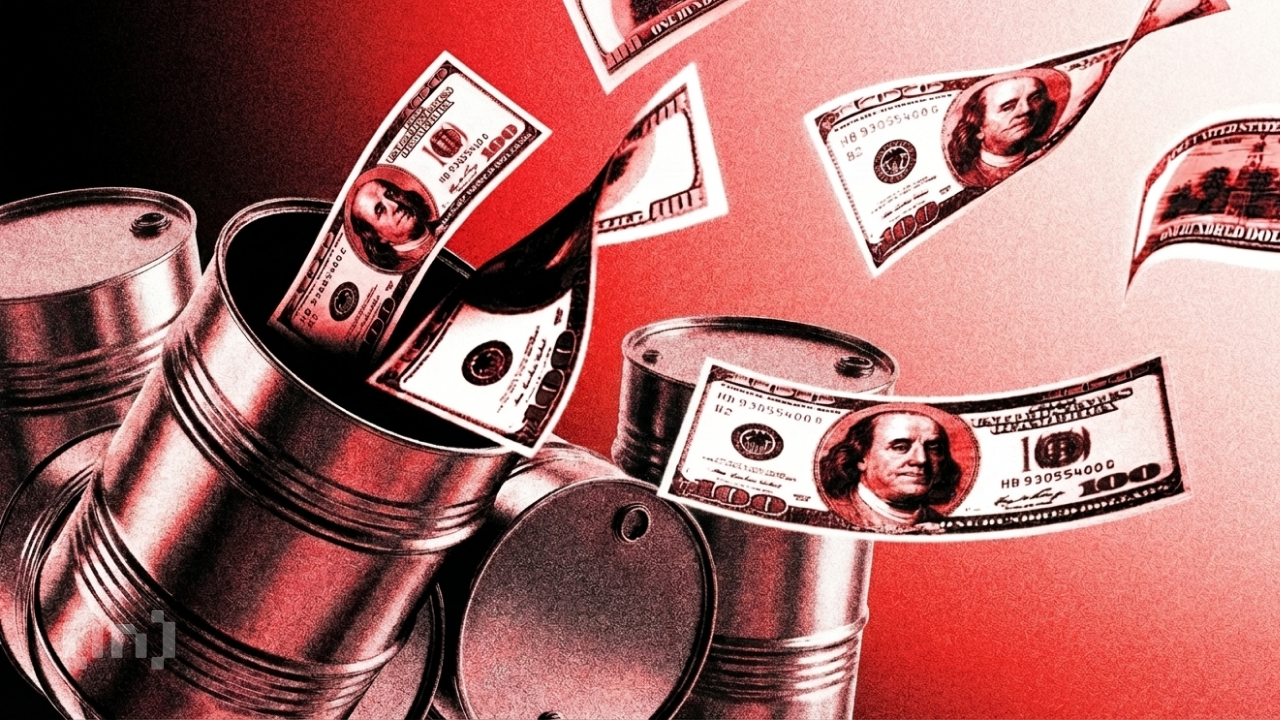
An additional backdrop is created by the sharp drop in oil. As noted by Coin Bureau, Brent crude has plunged about 15% and fallen below $78 per barrel — this is the fifth consecutive losing session and the longest decline streak in 2026, as well as the lowest level since early March. The reason is the return of Iranian oil: tankers carrying more than 2 million barrels are already leaving the Strait of Hormuz following a deal between the US and Iran.
Bloomberg Intelligence strategist Mike McGlone warns that oil, gold, and copper could end up in a losing position relative to US stocks. In his view, stock market volatility has remained suppressed for too long amid rising risks in commodity assets, and the boom in initial public offerings (IPOs), including SpaceX, could be a sign of a market peak — similar to how Bitcoin ETFs served as such a signal in 2024.
McGlone rates the impact of the US stock market on a scale of 10 out of 10 as a factor that will determine the further movement of oil, gold, and copper. Cheaper oil reduces inflationary pressure, and this could free up the Fed's hands in the future. But for now, all three factors — weak oil, cautious rate expectations, and the troubling statistics of a Fed chair change — combine to create a tense backdrop.
My analysis: Warsh finds himself in a trap — the historical pattern of S&P 500 drawdowns under new chairs and the oil collapse create a perfect storm. If he shows independence from political pressure, markets could receive a signal of stability, but short-term volatility is inevitable. Cryptocurrencies, as a high-risk asset, could benefit from such a scenario if Warsh maintains a hawkish rhetoric and pushes investors toward alternative assets.