Snap takes AR to the next level: the SPECS glasses with full autonomy and powerful AI are introduced
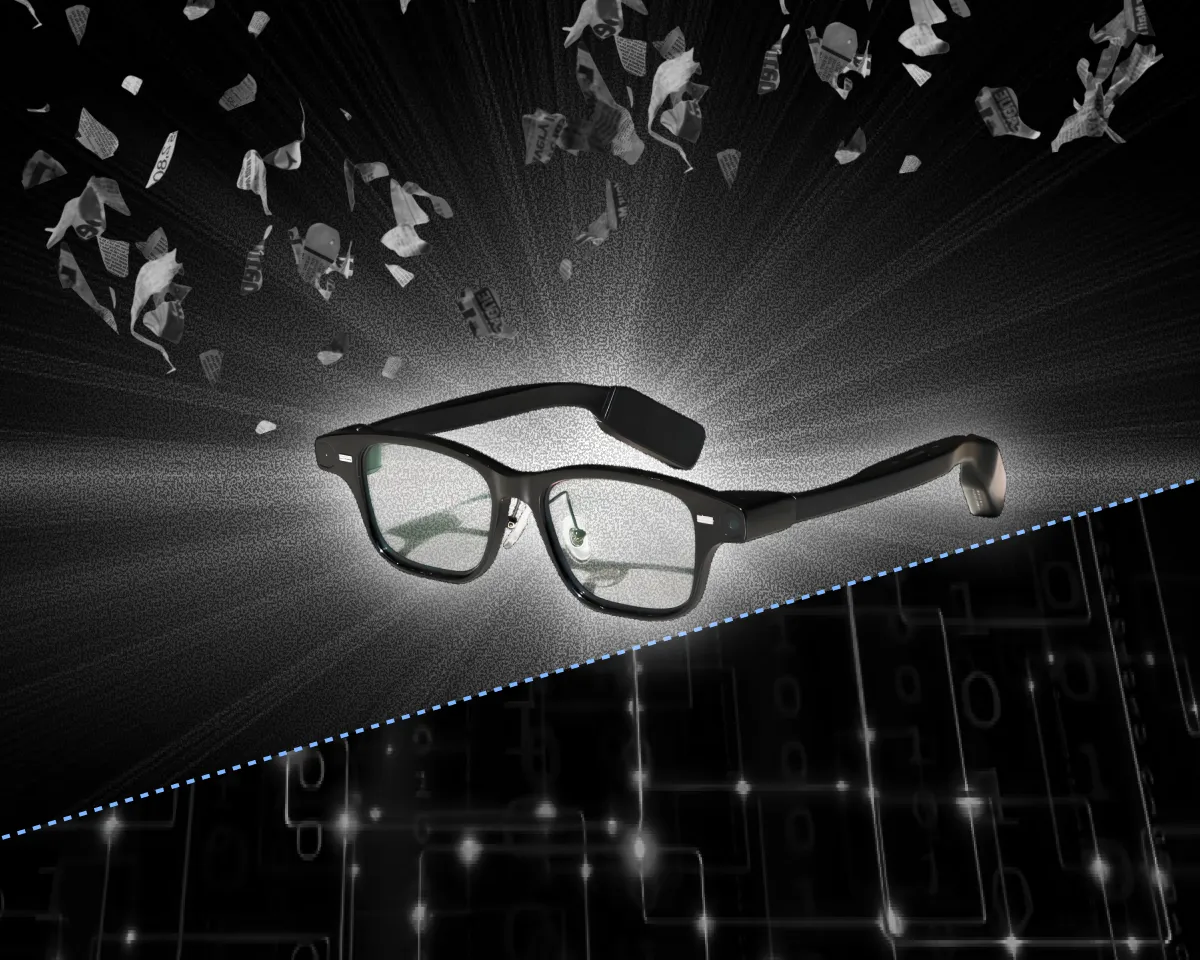
The market for wearable augmented reality (AR) devices is gaining a major player. Snap Inc. has officially announced SPECS — a standalone portable computer in the form factor of glasses. The device is already available for pre-order at a price of $2,195, with first shipments to the US, UK, and France starting this fall.
The key feature of SPECS is its complete independence from a smartphone or external modules. It is not an accessory, but a standalone computing device. The glasses weigh between 132 and 136 grams, making them comparable to regular sunglasses. The frame is made of durable TR90 polymer.
Technical Specifications and Performance
Under the hood, SPECS hides serious hardware. The field of view is an impressive 51 degrees, significantly expanding the immersion compared to previous generations of AR headsets. Computing power is provided by two Snapdragon processors, ensuring minimal signal latency — just 7 milliseconds. This is critical for comfortable and realistic interaction with virtual objects.
Battery life is also top-notch: up to 4 hours of continuous use on a single charge and up to 20 hours with the included case. The lenses are equipped with an innovative electrochromic coating that automatically changes tint levels in 10 seconds, adapting to lighting conditions.
Software and Ecosystem
The device runs on the new Snap OS operating system. The interface is intuitive and supports gesture and voice command controls. Users gain access to navigation, professional tools, and educational applications. For developers, Snap has updated the Lens Studio platform, providing advanced tools for creating AR effects.
Particular attention deserves the integration of AI assistants. They can analyze the surrounding environment in real time, opening up new use cases — from assisting with work to navigating unfamiliar environments.
Privacy as a Priority
In an era of mass data collection, Snap has emphasized privacy protection. The glasses are equipped with an LED indicator that lights up during video recording. A critically important aspect: most data is processed directly on the device, without being sent to cloud servers. Users can independently manage their sync history and delete recordings.
Analyst's Opinion: Snap SPECS is not just another gadget, but a significant step toward the era of post-smartphone computing. Full autonomy and powerful on-device processing solve two main problems of modern AR glasses: dependence on external power sources and privacy concerns. If Snap can build a rich application ecosystem around SPECS, this product could become the standard for a new category of devices. For now, it is a bold bid for leadership in the AR wearable computer race.