Snap has announced SPECS: standalone AR glasses with powerful hardware and AI assistants
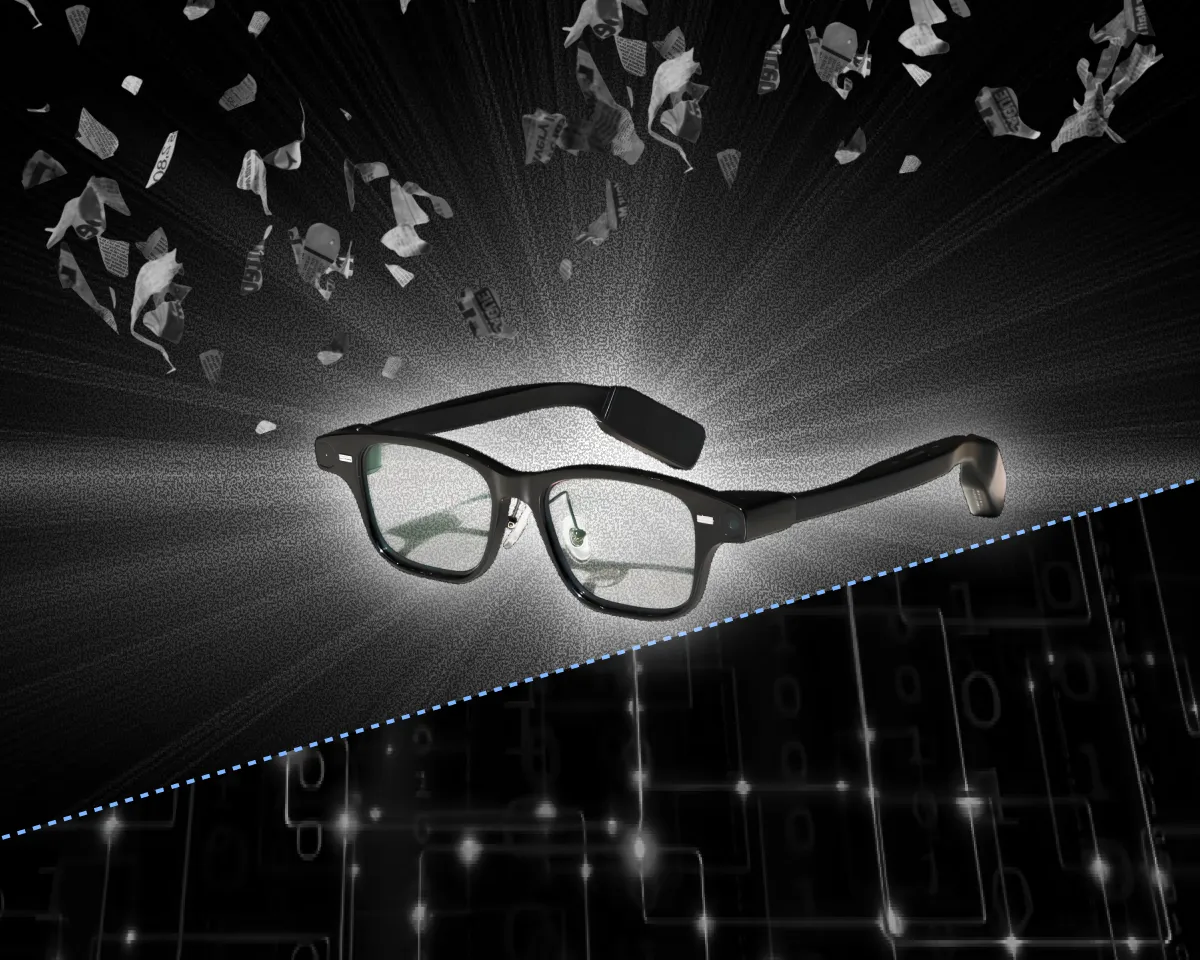
Snap Inc. has officially unveiled SPECS — a standalone wearable computer in the form of augmented reality glasses. The device is already available for pre-order at a price of $2,195, with shipments to the US, UK, and France starting this fall.
The key feature of SPECS is full autonomy. Unlike many competitors, these glasses do not require a connection to a smartphone or an external computing module. The device weighs between 132 and 136 grams, and the body is made of durable TR90 polymer.
Technical Specifications and Performance
Snap has equipped SPECS with two Snapdragon processors, ensuring low signal latency — just 7 milliseconds. The field of view is 51 degrees, which is a respectable figure for devices in this class. Battery life reaches up to 4 hours on a single charge, and up to 20 hours with the charging case.
The lenses feature an electrochromic coating that automatically adjusts the tint level based on lighting conditions in just 10 seconds. This makes the device comfortable to use both indoors and outdoors.
Software and Ecosystem
The device runs on its own operating system, Snap OS, with support for gesture and voice control. Users have access to navigation apps, productivity tools, and educational content. Developers have received an updated Lens Studio toolkit for creating AR effects.
Of particular note is the integration of AI assistants capable of analyzing the surrounding environment in real time. Snap has also emphasized privacy: the glasses are equipped with an LED recording indicator, and most data is processed locally without being sent to the cloud. Users can independently manage their sync history and delete recordings.
My expert assessment: SPECS appear to be a significant step forward in the wearable AR device segment. Autonomy and local data processing address two key issues of modern smart glasses — dependence on a smartphone and privacy concerns. However, the $2,195 price tag and limited shipping geography currently keep this product in the niche of enthusiasts and developers. In my view, mass adoption of such devices will begin no earlier than in 2-3 years, when the cost drops to $500-700.