Snap Inc. introduces SPECS: standalone AR glasses with its own processor and AI assistant
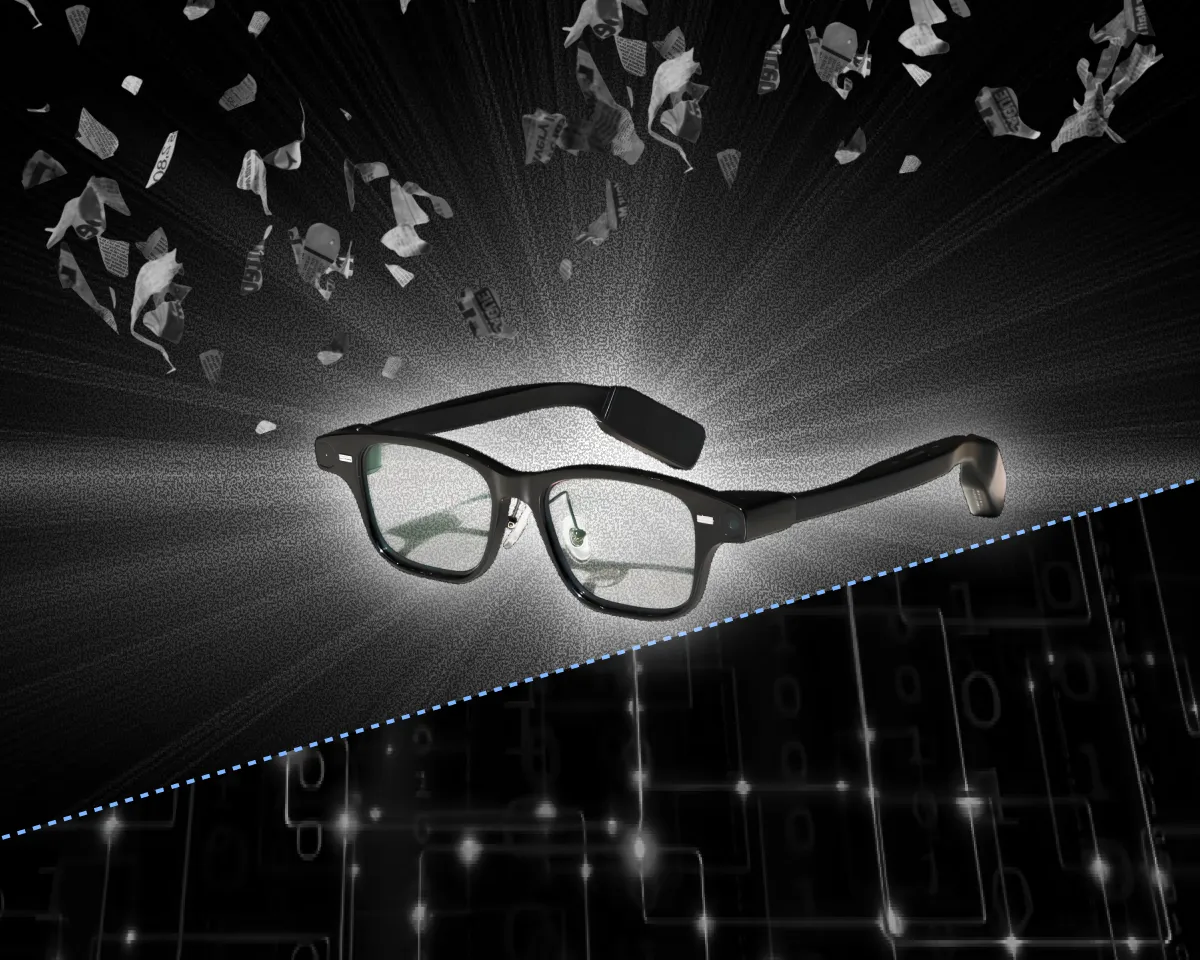
The wearable AR device market is gaining a serious new player. Snap Inc., known for its innovations in augmented reality, has announced SPECS — a fully autonomous portable computer in the form factor of glasses. The device is already available for pre-order at a price of $2,195, with shipments to the US, UK, and France starting this fall.
The key difference between SPECS and its competitors is full autonomy. The glasses do not require a connection to a smartphone or external computing modules. The device weighs just 132-136 grams, and the body is made of high-strength TR90 polymer, ensuring comfort during prolonged wear.
Technical Specifications and Performance
Snap has equipped SPECS with two Snapdragon processors, achieving a signal latency of just 7 milliseconds — a critical metric for immersion in an AR environment. The field of view is 51 degrees, significantly wider than previous generations of similar devices. Battery life is impressive: up to 4 hours of continuous use on a single charge and up to 20 hours with the charging case.
Special attention is given to the lenses with electrochromic coating. They can automatically change the tint level within 10 seconds, adapting to lighting conditions. This solves one of the main problems of AR glasses — outdoor use in bright sunlight.
Software and Ecosystem
The device runs on its own operating system, Snap OS, which supports gesture and voice control. Users have access to navigation apps, productivity tools, and educational content. Developers receive an updated Lens Studio toolkit for creating AR effects and applications.
The integration of AI assistants capable of analyzing the surrounding environment in real time takes the glasses' functionality to a new level. This is not just a display in front of the eyes, but a full-fledged computing assistant.
Safety and Privacy
Snap has prioritized user data protection. The glasses are equipped with an LED recording indicator that activates when capturing video. Most computations are performed directly on the device, without sending data to the cloud. Users can fully control their sync history and delete recordings at their discretion.
This is particularly relevant in light of the recent scandal with Meta, which was forced to remove facial recognition system components from its smart glasses after an investigation was published. Snap has evidently learned from competitors' mistakes by implementing privacy at the hardware level.
My analysis: SPECS from Snap is not just another pair of AR glasses, but a full-fledged attempt to create a new class of computing devices. The $2,195 price tag positions them as a premium product for developers and enthusiasts, but if Snap can scale production and reduce costs, we may witness the beginning of a new era of wearable computers. The main question is whether the app ecosystem can catch up with the device's hardware capabilities?