Snap launches AR glasses SPECS on the market: standalone computer for $2195
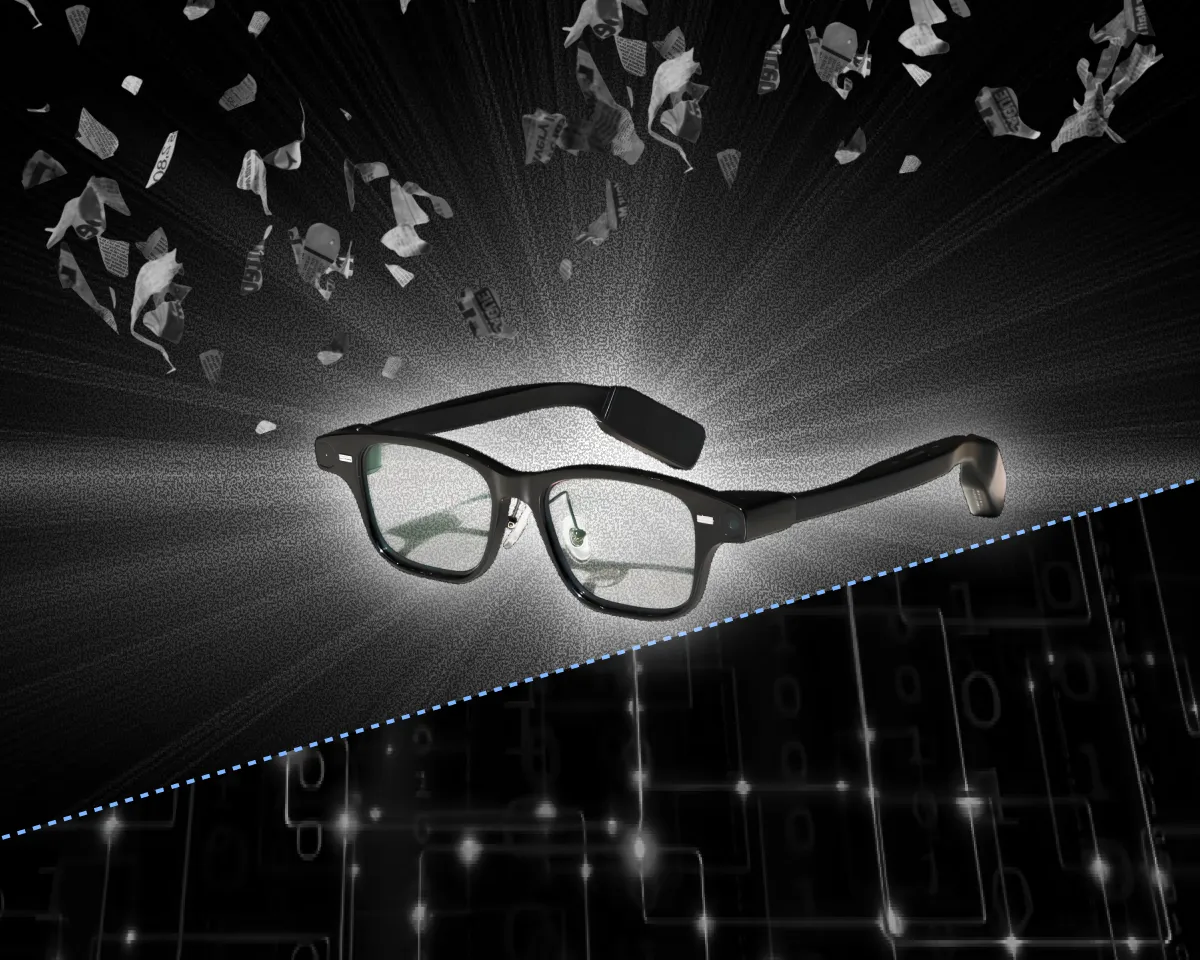
Snap Inc. has officially announced SPECS — a portable computer in the form factor of augmented reality glasses. The device is already available for pre-order at a price of $2,195, placing it alongside premium gadgets for AR enthusiasts and professionals.
Shipments to the US, UK, and France will begin this fall. SPECS are fully standalone: no connection to a smartphone or external modules is required for operation. The device weighs between 132 and 136 grams, and the body is made of durable TR90 polymer, ensuring comfort during prolonged wear.
Key Technical Specifications
The field of view is 51 degrees — an impressive figure for AR glasses. The device is powered by two Snapdragon processors, ensuring a minimal signal latency of 7 milliseconds. Battery life reaches up to 4 hours on a single charge, and up to 20 hours with the case. The lenses feature an electrochromic coating that automatically adjusts tint levels within 10 seconds depending on lighting conditions.
Software and Ecosystem
SPECS run on Snap's own operating system, Snap OS. The interface supports gesture and voice control, providing access to navigation, work tools, and educational applications. Developers have received an updated Lens Studio for creating AR effects. AI assistants integrated into the system can analyze the surrounding environment in real time — a step toward more natural interaction with digital content.
Special attention is paid to data protection. The glasses are equipped with an LED indicator that lights up during video recording. Most data is processed locally on the device without being sent to the cloud. Users can independently manage their sync history and delete recordings.
Expert Opinion
Snap confidently positions SPECS as an alternative to traditional smartphones and smart glasses from competitors. However, the price of $2,195 and limited availability at launch may deter mass consumers. Nevertheless, the focus on autonomy and data privacy is a strong move amid recent facial recognition scandals at Meta. For the crypto community, such devices could become an interesting tool for decentralized applications and AR wallets, but for now, this is a niche product for early adopters.