Snap takes AR glasses to the next level: SPECS — a standalone computer without tethering to a smartphone
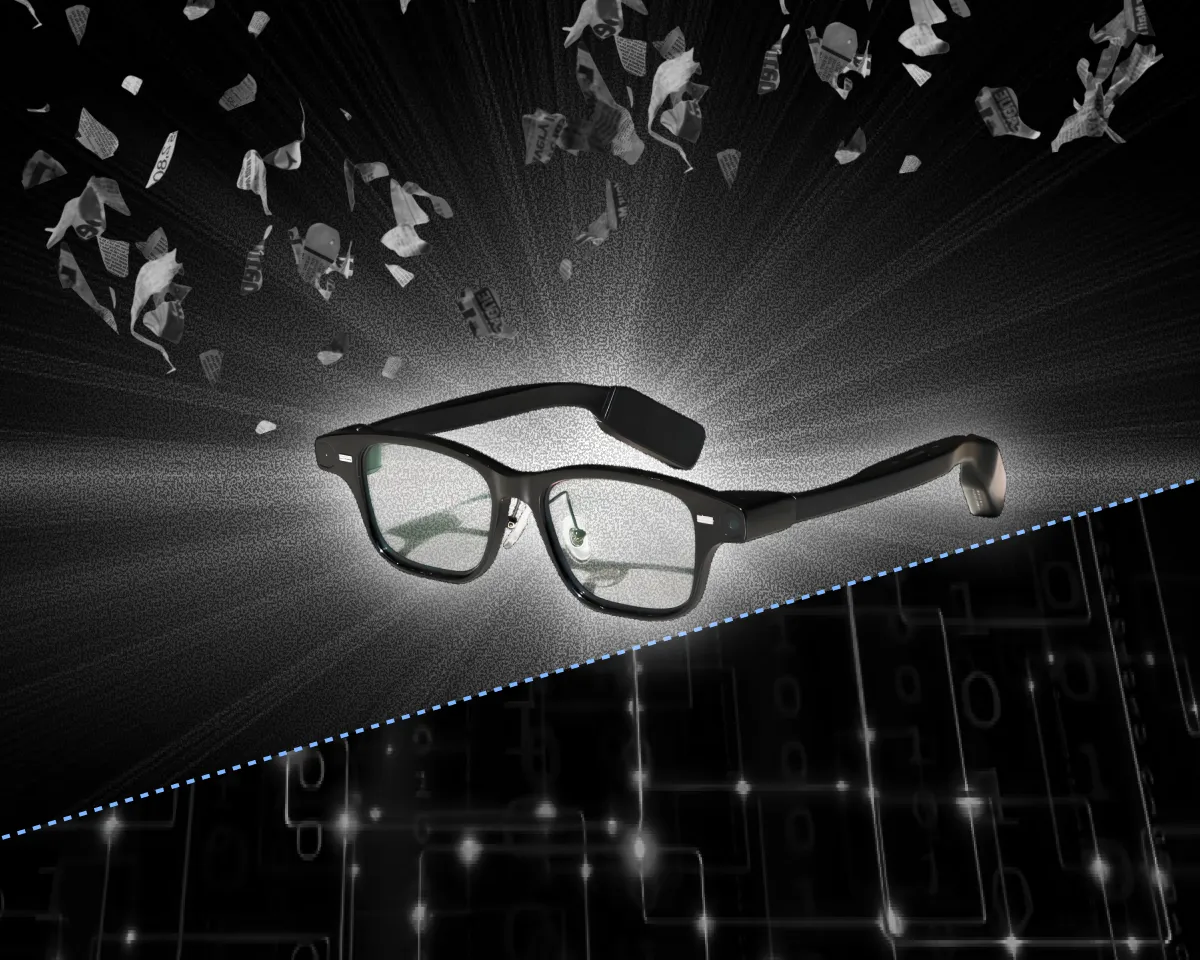
The market for wearable augmented reality (AR) devices is gaining a serious player. Snap Inc. has officially announced SPECS — a portable computer in the form factor of glasses. The device is already available for pre-order at a price of $2,195, placing it in the same league as premium AR headsets.
Autonomy and Performance: Key Features
The main difference between SPECS and many competitors is full autonomy. The glasses do not require connection to a smartphone or an external computing module. The device weighs between 132 and 136 grams, making it comfortable for prolonged wear. The body is made of high-strength TR90 polymer.
The technical specifications are impressive:
- Field of view — 51 degrees, providing a wide area for AR content.
- Two Snapdragon processors — one handles graphics and AR effects, the second handles general computing.
- Signal latency — only 7 milliseconds, which is critical for immersion.
- Battery life: up to 4 hours on a single charge and up to 20 hours with the charging case.
Technology and Ecosystem
The SPECS lenses are equipped with electrochromic coating: the glass automatically adjusts the tint level depending on lighting conditions within 10 seconds. This solves one of the main problems of AR glasses — image readability in bright light.
The device runs on its own operating system, Snap OS. Control is implemented through gestures and voice commands. Users have access to navigation, work tools, and educational applications. For developers, Snap has updated the Lens Studio platform, adding tools for creating more complex AR effects.
Special attention deserves the integration of AI assistants capable of analyzing the surrounding environment in real time. This opens up new usage scenarios — from object recognition to assistance with everyday tasks.
Privacy as a Priority
Snap has emphasized user data protection. The glasses are equipped with an LED recording indicator that lights up during video capture. Most computations occur directly on the device without sending data to the cloud. Users can independently manage their sync history and delete recordings.
Deliveries of SPECS to the USA, UK, and France will begin this fall.
My opinion: Snap, unlike many competitors, is betting not on bulky headsets, but on lightweight, stylish, and fully autonomous devices. Given the company's experience in creating AR filters and social effects, SPECS could become the first mass-market product to prove that augmented reality is not a toy, but a full-fledged tool for work and everyday life. However, the price of $2,195 still keeps this product in the niche of enthusiasts and developers.