Snap announces SPECS: standalone AR glasses with AI and data protection
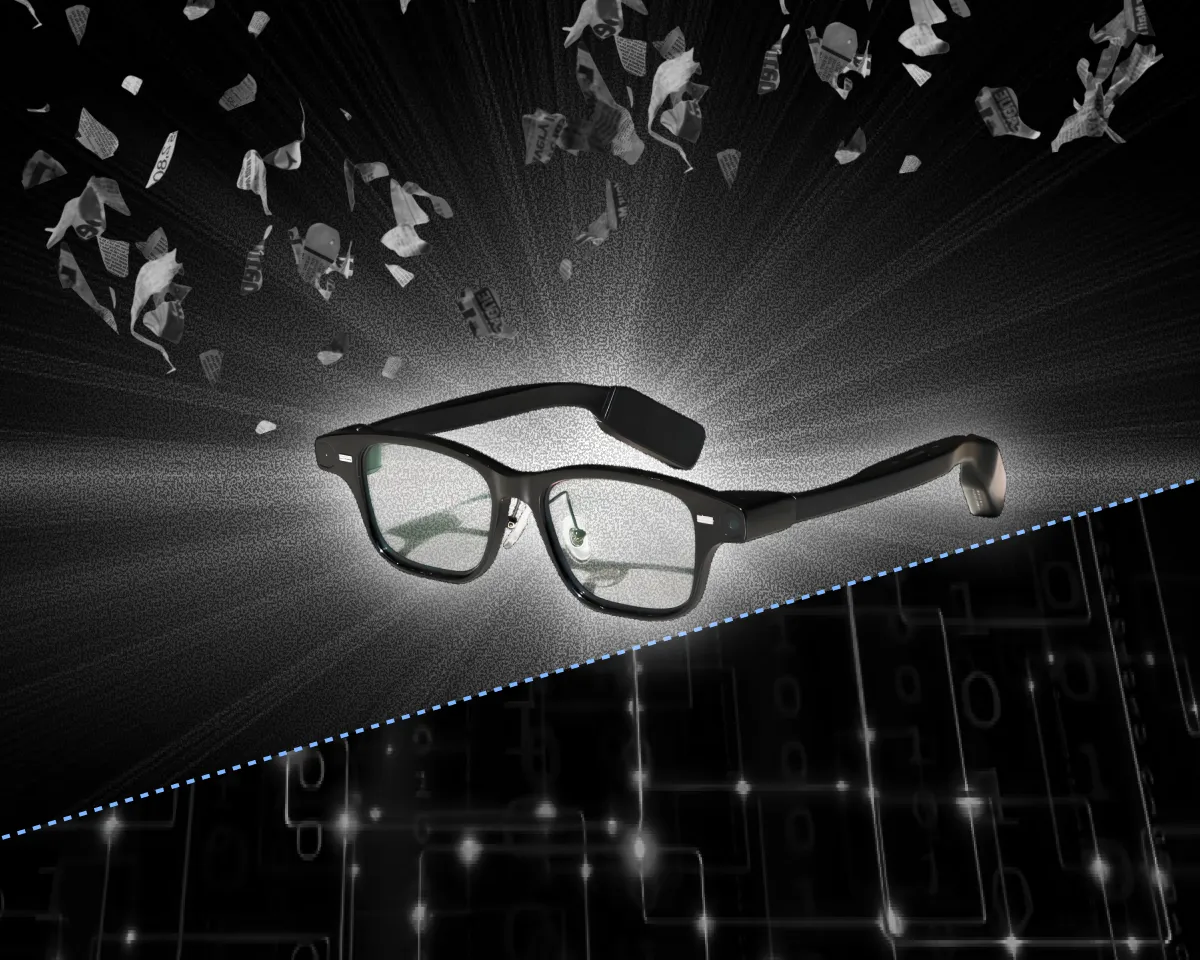
Snap Inc. has officially unveiled SPECS—a portable computer in the form of augmented reality glasses. The device is already available for pre-order at a price of $2,195. Shipments to the US, UK, and France will begin this fall. This is not just a gadget, but a full-fledged platform for interacting with the digital world without being tethered to a smartphone.
SPECS operate completely autonomously, without the need to connect to external modules or mobile devices. The device's weight ranges from 132 to 136 grams, and the body is made of durable TR90 polymer. Key technical specifications are impressive: a 51-degree field of view, two Snapdragon processors, and a signal latency of just 7 milliseconds. Battery life reaches 4 hours of continuous use, and up to 20 hours with the included charging case.
The lenses are equipped with an electrochromic coating that allows the tint level to be adjusted within 10 seconds depending on lighting conditions. The device runs on its own Snap OS, supporting gesture and voice control. Users have access to navigation features, productivity tools, and educational applications.
Developers have received an updated Lens Studio toolkit for creating AR effects. AI assistants capable of analyzing the surrounding environment in real time are integrated into the system. Snap has also emphasized data protection: the glasses are equipped with an LED indicator that lights up during video recording. Most data is processed directly on the device without being sent to the cloud. Users can independently manage their sync history and delete recordings.
My analysis: Snap is betting on full autonomy and privacy, which sets SPECS apart from competitors like Meta. However, the $2,195 price tag and limited launch geography indicate this is a premium product for early adopters. The question is whether Snap can scale production and reduce costs to reach the mass market—without that, AR glasses risk remaining a niche experiment.