Estonia launches digital passports for AI agents: a global precedent
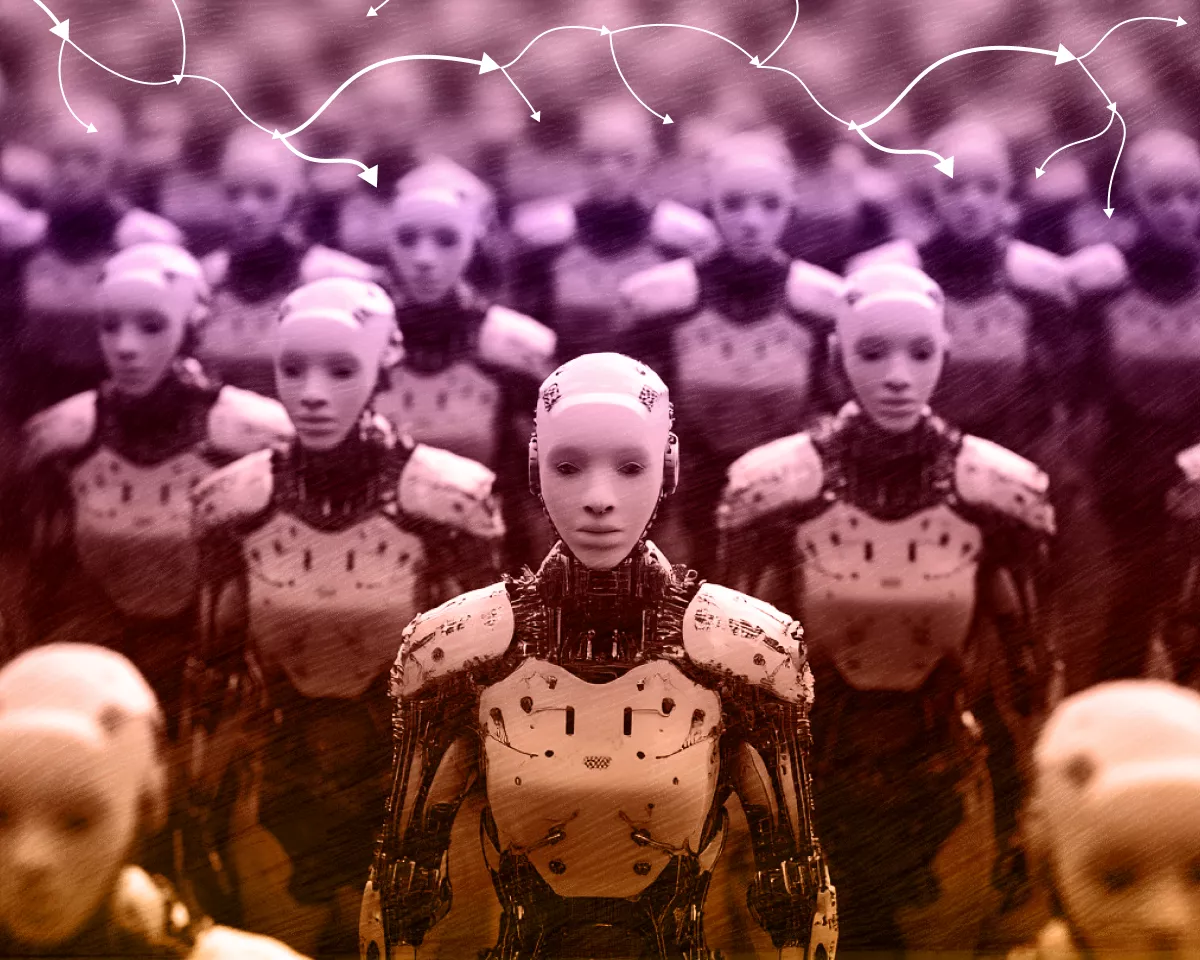
Estonia once again confirms its status as a pioneer of the digital state. The Eesti.ai Council under Prime Minister Kristen Michal has given the green light to the development of a digital identity for AI agents — AI-isikukood. This project will be the world's first official mechanism allowing algorithms to act on behalf of a person, company, or government agency within strictly limited and verifiable frameworks.
As the Prime Minister explained, the future lies with AI that independently performs routine digital operations: from compiling reports and filling out tax returns to interacting with information systems. The key issue here is transparency. Who exactly is acting, on whose behalf, what are their powers, and most importantly, who bears responsibility for potential errors?
Why do AI agents need a digital passport?
The main problem that AI-isikukood solves is excessive access. Today, a user or company wishing to delegate a task to an AI assistant is often forced to grant it unjustifiably broad rights. The Estonian model offers an alternative: the agent receives strictly limited powers, for example, only to view data, prepare a document, or process a payment within a set budget. The Prime Minister described this as issuing "limited, controlled, and auditable powers." Technical details, launch timelines, and the mechanism of liability for damages are still being developed.
Eesti.ai: from education to cybersecurity
The Eesti.ai initiative, launched on January 27, sets ambitious goals — the systematic integration of AI into the economy and public administration. Priority areas include education, healthcare, and security. Already on April 9, the council approved 15 projects with high expected impact, covering skills, entrepreneurship, the public sector, and infrastructure. By June, some of them had moved into the analysis, market consultation, and tender stages. According to authorities, AI skills training is progressing the fastest.
Infrastructure of the future
The AI-isikukood project relies on Estonia's already existing robust digital infrastructure. Starting in 2026, each government agency will be able to have its own personalized AI agent, which will become part of a unified cooperative network called Bürokratt. In parallel, another important project is being developed — Aruait. The state information system RIA describes it as a sovereign management layer for AI agents in the public sector. It aims to define the technical architecture and collaboration models for systems acting on behalf of people and organizations.
This initiative logically continues Estonia's long-standing strategy for digital identification: from electronic IDs for citizens to the e-Residency program for foreigners. Notably, in parallel, the Anthropic team published a guide titled Zero Trust for AI agents, highlighting the key risks of autonomous systems. Estonia, therefore, is not just keeping pace with the times but is attempting to create a regulatory framework for a safe future where AI agents become full-fledged yet controlled participants in the digital economy.
My expert assessment: Estonia's initiative is not just a technological experiment but a breakthrough in the legal regulation of AI. If the project is successfully implemented, we will witness the emergence of the world's first "digital citizenship" for algorithms. This will create a precedent that will inevitably push other jurisdictions to develop similar standards, especially in the context of DeFi and Web3, where agent identification is a matter not only of convenience but also of asset security.