G7 declares war on North Korean crypto hackers: the scale of the threat is growing
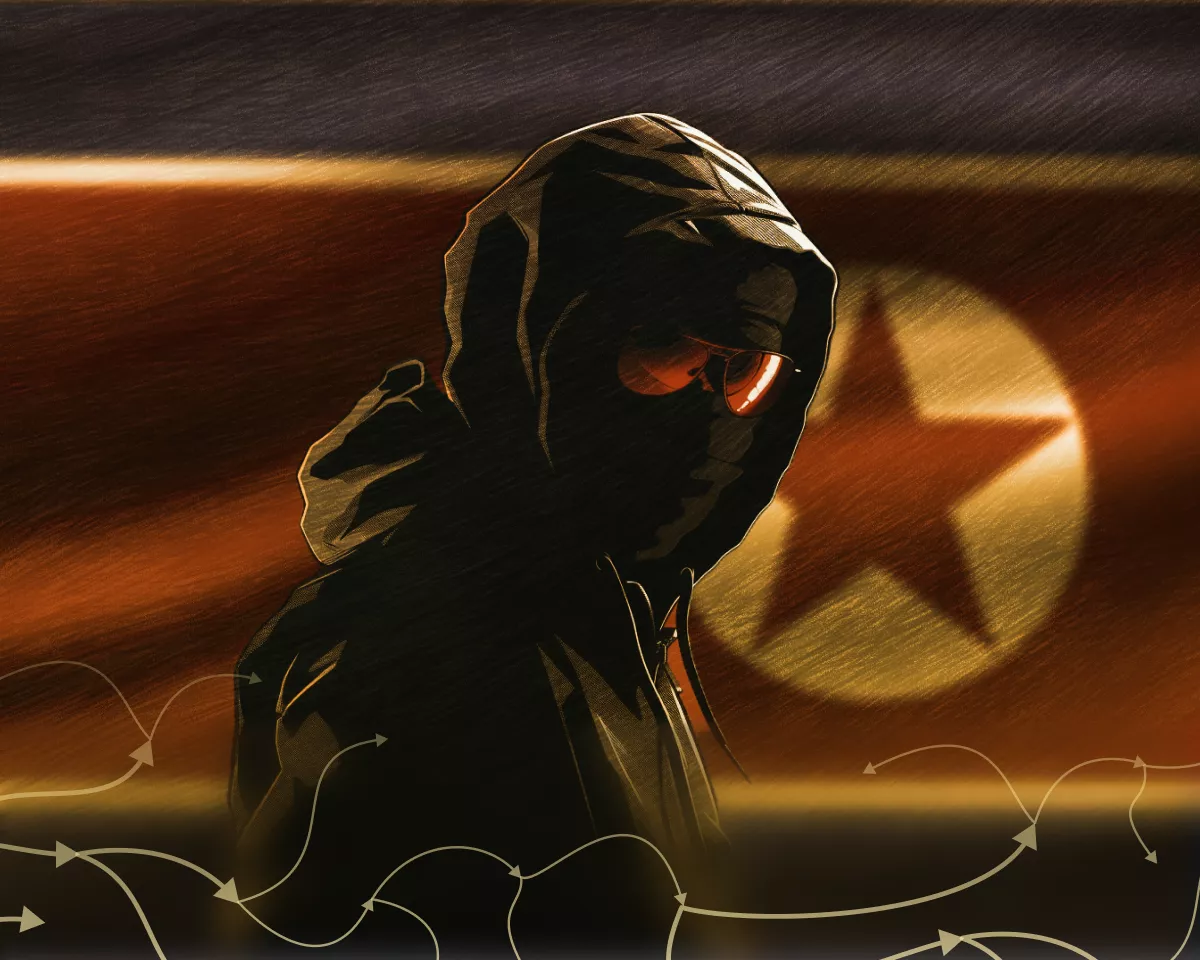
At the recent summit in Évian, the leaders of the G7 made an important statement that directly affects the cryptocurrency industry. In the final document, they emphasized the need to join forces to combat cryptocurrency theft and cybercrimes originating from the DPRK. This recognition at the highest level indicates that the threat from North Korean hackers is no longer peripheral—it requires a coordinated response from the world's leading economies.
Scale of the Threat: The Numbers Speak for Themselves
The analytics I have paint a troubling picture. In 2025, hacker groups affiliated with the DPRK managed to steal crypto assets worth $2.02 billion. This is 51% more than in the previous year. Such a sharp increase indicates not just a rise in activity, but a systemic improvement in attack methods and an expansion of the attackers' resource base. The total volume of funds they have stolen over the entire history of observations, by my estimates, has already exceeded $6.75 billion. These figures are not just statistics, but a direct indicator that North Korean cybercrime has become one of the main sources of funding for state programs, including nuclear and missile ones.
Political Reaction: Words Without Specifics?
Notably, despite loud statements about the need for counteraction, the G7 did not propose specific mechanisms or separate measures for the cryptocurrency sector. This raises a certain skepticism. Declarations of intent are good, but without the introduction of strict sanctions regimes, blocking wallets on centralized exchanges, and creating an international system for sharing intelligence on suspicious transactions, the effectiveness of such calls will remain in question.
My Analysis: The market should prepare for tighter regulatory pressure. The G7 is clearly hinting that crypto exchanges and DeFi protocols that fail to effectively filter transactions linked to North Korean addresses risk facing sanctions. Investors should be more careful in choosing trading platforms—in the coming months, we will see a wave of "cleanups" and strengthened KYC/AML procedures.