Oman centralizes mining: all licensed companies are required to operate through a state pool
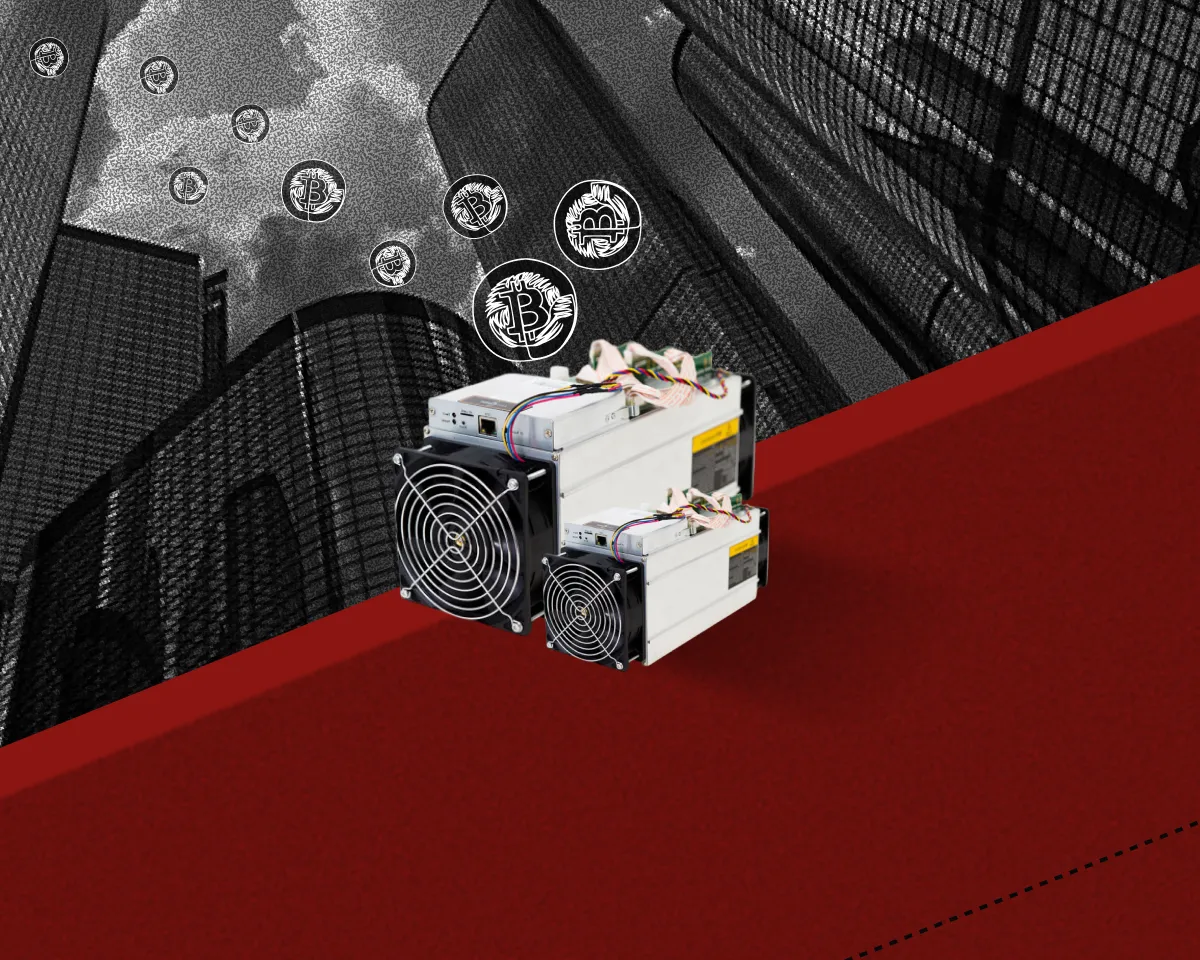
Oman is taking a decisive step toward state regulation of cryptocurrency mining. The Sultanate has officially launched a national mining pool, which all licensed digital asset miners in the country are required to join. This is the first such precedent in the Persian Gulf region and could set a trend for other oil monarchies.
The project was initiated by Oman's Ministry of Transport, Communications, and Information Technology in partnership with the local company Frontier Technologies. Enegix Global became the key technology partner, providing a platform for pooling capacities and liquidity infrastructure. Essentially, the state is taking control over hash rate distribution, allowing not only to monitor miner activity but also to optimize tax revenues.
Scale and Investments
At the initial stage, the national pool is expected to accumulate approximately 10 EH/s of computing power. For comparison, this is equivalent to about 1.5% of the current Bitcoin network hash rate. However, Oman's ambitions are much broader. Since 2022, total investments in mining and data centers in the Salalah Free Economic Zone have exceeded $700 million. The most significant facility is a $370 million hydro-cooled mining farm, highlighting the focus on energy-efficient technologies.
Oman is actively leveraging its competitive advantages: cheap electricity generated at gas-fired power plants and a strategic location between Asia and Africa. Creating a national pool is a logical step for monetizing these resources under state control.
My comment as an analyst: Oman's initiative is not just an administrative measure but a signal of the maturity of an institutional approach to mining. State-run pools reduce risks for investors but simultaneously deprive miners of flexibility in choosing counterparties. In the medium term, this could increase Oman's attractiveness for large funds but will cut off small and medium-sized operators unprepared for full transparency.