The G7 declares war on North Korean cybercriminals in the crypto sphere.
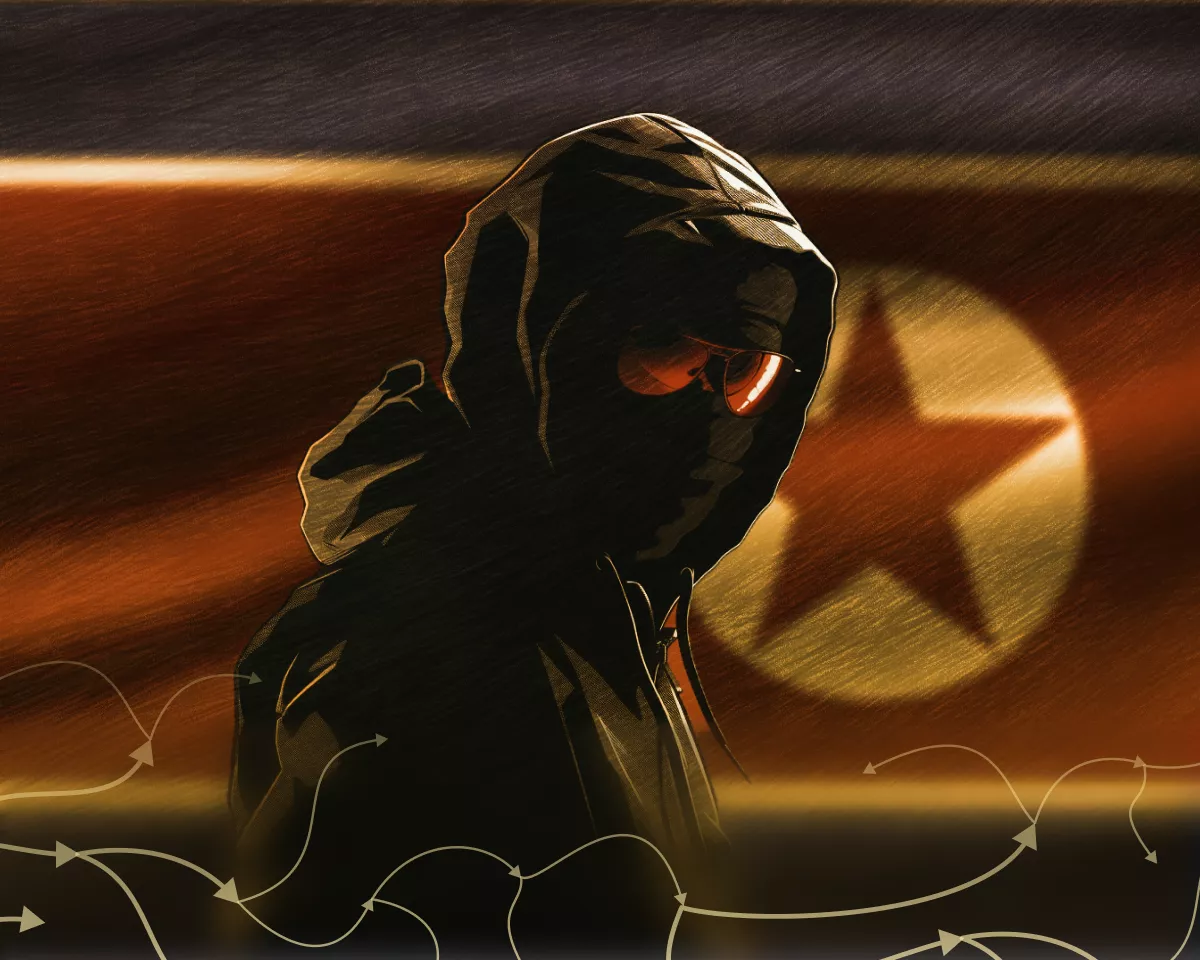
Leaders of the Group of Seven (G7) at the summit in Évian officially formalized their position: combating cryptocurrency theft and cyberattacks carried out with the support of the DPRK is becoming a priority for the international community. The summit's final document particularly emphasizes the threat posed by North Korean hacker groups, which actively use digital assets to finance Pyongyang's nuclear and missile programs.
Despite the strong statements, the G7 did not propose specific mechanisms or new sanctions regimes directly targeting the cryptocurrency sector. This raises questions: declarations remain at the level of political will, but without clear tools for control and blocking transactions on the blockchain, the effectiveness of such calls is questionable. Essentially, we see recognition of the problem, but no recipe for solving it.
Scale of the Threat: $2 Billion in a Year
The scale of the problem is impressive. According to my data analysis, in 2025, hacker groups linked to the DPRK stole a colossal $2.02 billion in cryptocurrencies. This is 51% more than in 2024. The increase in activity demonstrates that North Korean cybercriminals are not only maintaining their pace but also enhancing their skills in hacking DeFi protocols, bridges, and centralized exchanges.
The total volume of assets they have stolen since tracking began has already exceeded $6.75 billion. According to intelligence data, these funds are directly converted into fiat through complex chains of mixers and decentralized platforms, bypassing the traditional banking system.
My comment: The G7 declarations are a signal, but not a weapon. North Korean hackers have long been operating in a gray area, exploiting regulatory gaps. Until a global system for monitoring on-chain transactions with mandatory KYC for the DeFi sector is created, we will only see growth in report figures, not a reduction in the threat. The market needs to prepare for stricter rules, but in 2026, the key factor will remain the technical security of the projects themselves.