Ireland tightens control over crypto assets: new standards for verifying the origin of capital
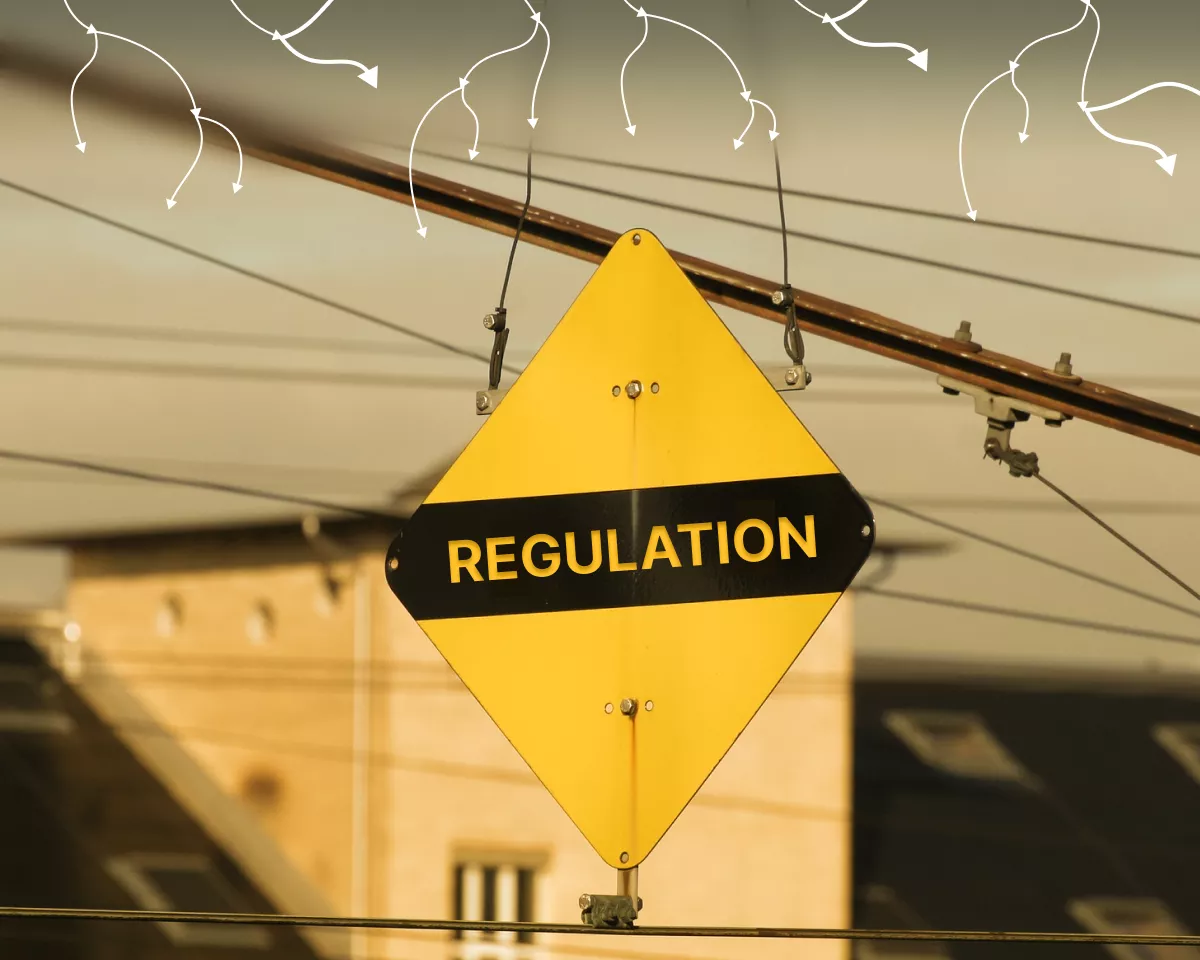
The Irish government has officially classified crypto assets as a sector with "very significant" risks of money laundering and terrorist financing. This step is the result of a comprehensive analysis that revealed the high vulnerability of digital assets to illicit financial flows.
Key Threats and Response Measures
The country's authorities have identified three key risk areas: circumvention of international sanctions, tax violations, and the use of crypto assets for bribing officials. Particular concern is raised by the anonymity of transactions and the difficulty of tracing ultimate beneficiaries.
A key element of the new policy will be the development of an industry standard for verifying the origin of funds associated with crypto assets. It is planned that by mid-2027, Ireland will introduce mandatory procedures for verifying the legitimacy of such capital when used as a source of origin.
This approach involves creating a unified methodology that allows financial institutions and regulatory bodies to effectively assess risks and confirm the legality of digital assets. The standard is expected to cover transactions involving cryptocurrencies, stablecoins, as well as other types of digital assets.
From my perspective, the Irish initiative is a logical step in the global trend of increasing regulatory pressure on the crypto industry. However, the success of implementation will depend on the flexibility of the approach: overly strict requirements could drive innovation into the shadows, while insufficient ones could leave loopholes for malicious actors. The market should prepare for more systematic checks on the origin of funds, which will inevitably increase operational costs for legitimate participants.