Ireland tightens control: crypto assets recognized as high-risk zone
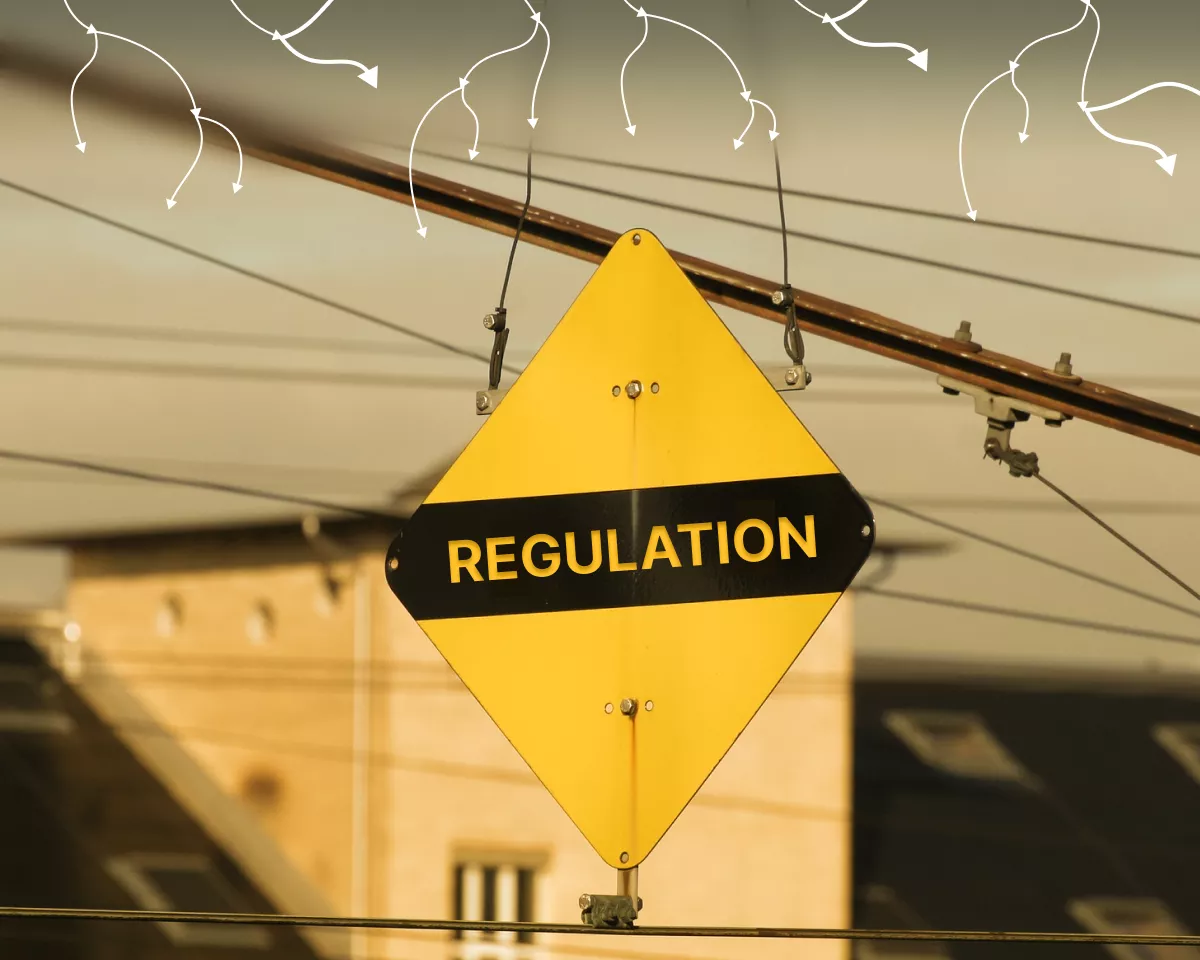
The Irish government has officially classified crypto assets as a sector with "very significant" risks in the context of money laundering and terrorist financing. This decision reflects the growing concern of regulators worldwide regarding the anonymity and cross-border nature of digital currencies.
The country's authorities have also highlighted several key threats associated with cryptocurrencies: the ability to circumvent international sanctions, difficulties with tax control, and the use of digital assets for bribing officials. These conclusions are based on an analysis of recent high-profile cases where crypto assets served as a tool for illegal financial transactions.
Plans for 2027: Industry Standard for Verifying the Origin of Funds
By mid-2027, Ireland intends to implement a specialized industry standard that will regulate cases where crypto assets are accepted as a source of capital origin. The main goal is to create a mechanism that allows banks and financial institutions to verify and confirm the legitimacy of such funds. This will be an important step in combating so-called "dirty" money, which can be legalized through the purchase of Bitcoin or other coins.
Currently, Ireland already has strict KYC/AML rules in place, but the new standard is expected to close gaps specifically related to cryptocurrencies. For example, a bank may currently refuse to accept funds obtained from the sale of Bitcoin due to the lack of a clear regulation for verifying their origin. By 2027, such procedures will become mandatory and standardized.
My expert commentary: Ireland, as one of the key financial hubs in the EU, is sending a signal to the entire market: the era of anonymous crypto transactions is coming to an end. The introduction of an industry standard by 2027 is not just a tightening of rules, but an attempt to create a working model for integrating crypto assets into the traditional financial system without losing control. Other countries are likely to follow this example, which in the long term will make the crypto market more transparent, but less volatile for institutional investors.