Goldman Sachs has cut its gold forecast: hawkish Fed policy pressures the market
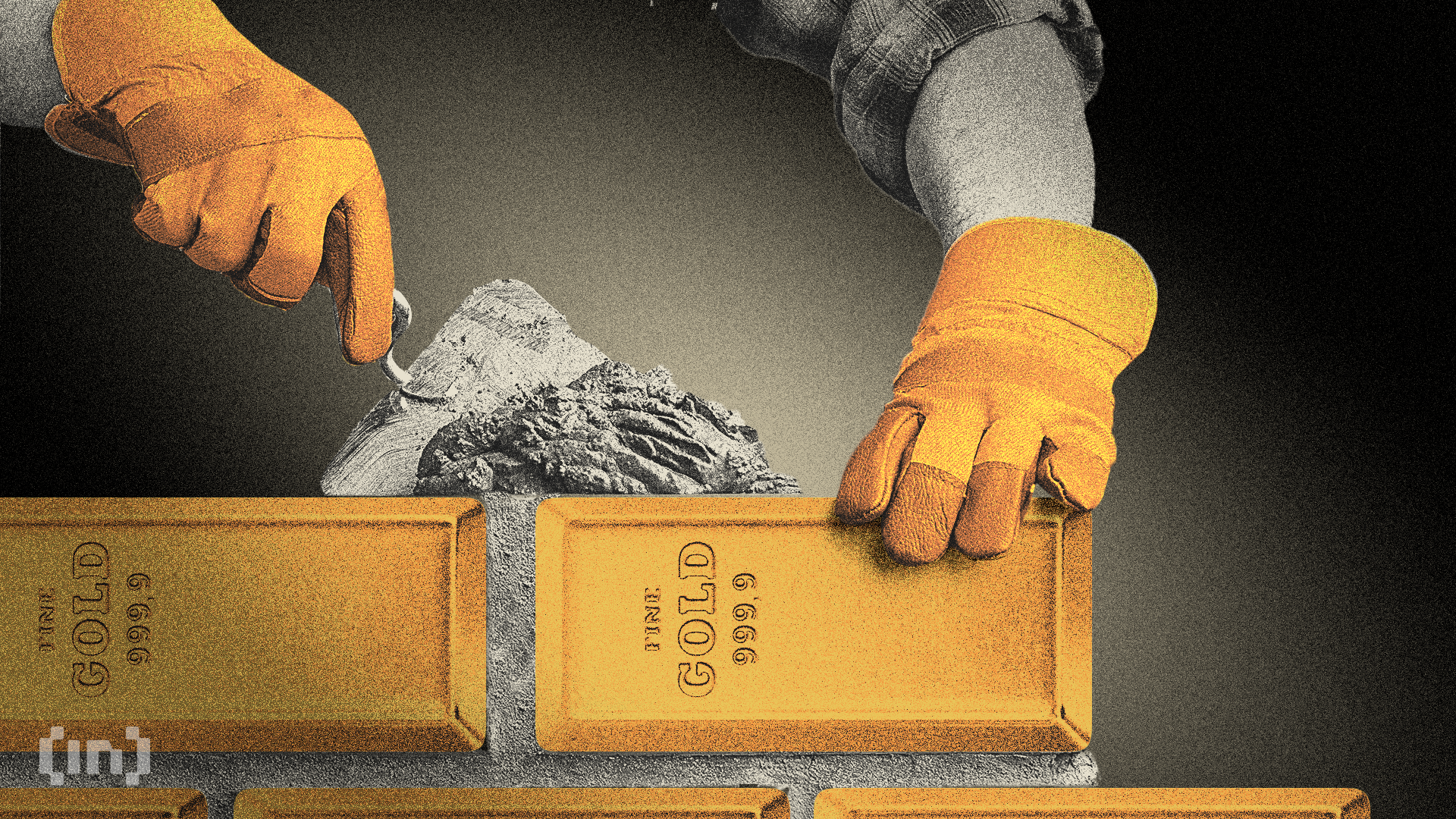
A leading investment bank has adjusted its annual gold forecast, lowering the target price by $500 to $4,900 per troy ounce. The main catalyst for the revision is the weakening of market expectations regarding the easing of the Federal Reserve's monetary policy in 2026.
Even with this adjustment, the bank maintains a positive outlook for the precious metal in the second half of the year, though with less optimism than before. The key factor undermining the bullish scenario was a sharp outflow of capital from gold exchange-traded funds (ETFs).
Why Gold is Losing Its Appeal for Investors
According to flow monitoring, investors withdrew about $2 billion from gold ETFs worldwide in May. The only exceptions were European funds, which recorded a small inflow. Asian funds, on the other hand, lost $1.2 billion — the first net outflow from the region since August 2025. Against this backdrop, bearish sentiment has intensified in the options market.
The reason for such a sharp shift in sentiment is the revision of expectations for the Fed's rate. Previously, market participants had priced in two rate cuts in 2026. However, this week, the bank's economists moved their forecasts for the first cut to December 2026 and March 2027. In other words, the market no longer believes in an imminent policy easing, which deprives gold of one of its main growth drivers.
The Fed's Hawkish Stance and Risks for the Metal
The Federal Reserve has kept the key rate in the range of 3.50–3.75%, but the number of supporters of further tightening is growing. Already, nine FOMC members are open to at least one rate hike this year. If this happens, Goldman Sachs forecasts gold will fall to $4,400 by the end of the year, as the metal becomes a less attractive hedge against political risks.
Notably, the bank's vice chairman and former Dallas Fed President Rob Kaplan did not rule out a rate hike as early as September in an interview with Bloomberg.
A counterbalance to the negative factors is central banks. In April, they again increased their gold purchases, showing a net increase of 19 tons. A survey by the World Gold Council also shows that about 45% of central banks plan to increase their reserves over the year.
My analysis: The downgrade of the forecast by Goldman Sachs is a clear signal that the macroeconomic backdrop for gold is deteriorating. As long as the Fed maintains a hawkish stance and ETF outflows continue, gold has little chance of sustained growth. However, support from central banks creates a solid foundation, preventing the metal from collapsing. The key level to watch is $4,400. A break below this level will be a trigger for a deeper correction.