Goldman Sachs has cut its gold forecast to $4,900: Fed rate bets weigh on the market
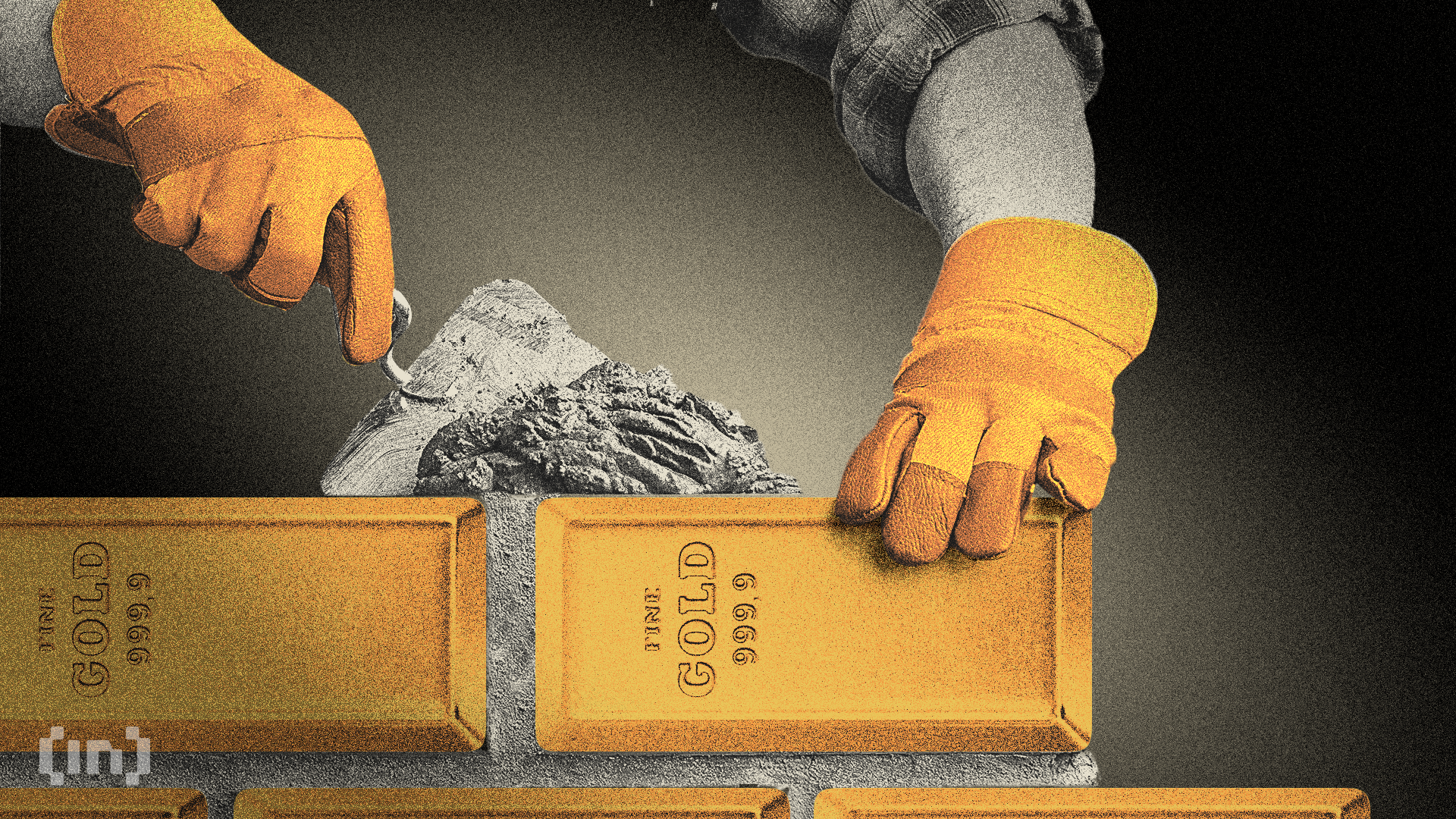
The precious metals market received a signal for caution: Goldman Sachs adjusted its year-end gold price target, lowering it by $500 to $4,900 per ounce. The main reason is the weakening expectations for a loosening of monetary policy by the Federal Reserve.
The bank's analysts, having revised their positions, note that despite maintaining an overall positive long-term outlook for gold, the near-term dynamics will be restrained. The key factor, in my opinion, has been a shift in market sentiment: traders and institutional investors are increasingly less confident in the possibility of a Fed rate cut in 2026.
A direct consequence of this uncertainty has been a slowdown in capital inflows into gold-backed exchange-traded funds (ETFs). In May, investors withdrew approximately $2 billion from such funds worldwide. European funds saw a small inflow, but Asian ETFs, on the contrary, lost $1.2 billion — the first net outflow from this region since August 2025. Concurrently, bearish sentiment has intensified in the options market.
The Fed's continued hawkish stance is what is currently weighing on gold. This week, the regulator left the key interest rate unchanged, in the range of 3.50–3.75%, but the number of supporters for further hikes is growing. Nine FOMC members now allow for at least one rate hike by the end of the year. If this occurs, Goldman Sachs forecasts gold will fall to $4,400, making it less attractive as a safe-haven asset against political risks.
Central Banks Remain Bullish
Nevertheless, fundamental support for the market comes from central banks. In April, they were again net buyers, increasing reserves by 19 tons. A survey by the World Gold Council shows that about 45% of central banks plan to increase their reserves over the course of the year.
Commentary from Cryptalist analyst: The revision of Goldman Sachs' forecast is not a panic move, but a pragmatic reaction to macroeconomic reality. Gold remains in a long-term upward trend, but amid the Fed's "hawkish" rhetoric, we will see consolidation and, possibly, local corrections. For crypto investors, this is a signal: traditional safe-haven assets are not immune to the pressure of monetary policy, which strengthens the argument for diversification into decentralized assets.