Analysts have revised their annual forecast for gold: a drop of $500 due to the Fed's hawkish stance
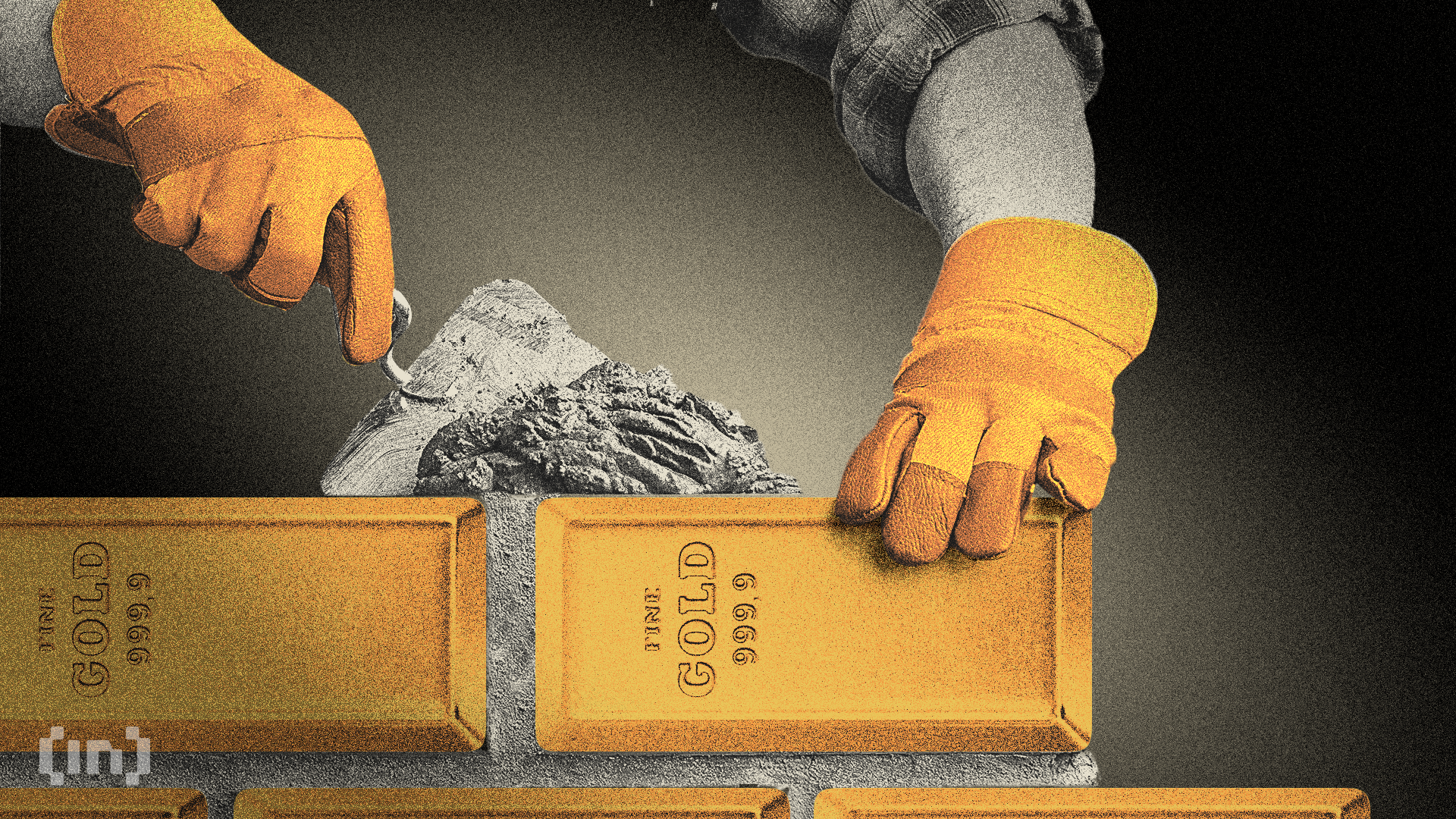
A key player in the precious metals market has revised its gold price forecast for the end of the year, slashing it by $500 to $4,900 per ounce. The main reason: the market has virtually stopped believing in the possibility of a Federal Reserve (Fed) interest rate cut in 2026.
Even with this adjustment, analysts still expect gold to rise in the second half of the year, but not as aggressively as previously assumed. This revision was noted in the latest research note, which states that previous optimistic scenarios have given way to a more restrained assessment.
The main factor behind the forecast revision was the weakening demand for gold-backed exchange-traded funds (ETFs). According to industry reports, investors worldwide withdrew about $2 billion from such funds in May. Notably, Europe was the only region to see inflows. Asian funds, on the other hand, experienced outflows of $1.2 billion—the first time since August 2025. Concurrently, bearish sentiment has intensified in the market, confirmed by increased hedging activity.
The decline in interest in gold ETFs is directly linked to a reassessment of Fed monetary policy. This week, Goldman Sachs economists shifted their rate cut forecasts to June and December of next year. Previously, the first cut was expected in December 2026, and the second in March 2027. Now, the consensus is moving toward later dates, making gold as a safe-haven asset less attractive in the short term.
The Fed's Hawkish Stance
This week, the Fed kept its key interest rate in the range of 3.50–3.75%, but the number of supporters for further tightening is growing. Nine Fed officials now expect at least one rate hike in 2026. If this happens, gold could fall to $4,400 by the end of the year, analysts predict. In such a scenario, the metal would become a less effective tool for hedging political risks.
However, central banks continue to support the market. In April, they were net buyers again, increasing their reserves by 19 tons on a net basis. Moreover, a World Gold Council survey shows that about 45% of central banks plan to increase reserves over the next year.
Expert Commentary
The situation in the gold market is a classic example of the conflict between short-term macroeconomic dynamics and long-term structural factors. The Fed's hawkish rhetoric is weighing on prices, but central bank purchases are creating a strong fundamental floor. For crypto investors, this is a signal: if gold loses its appeal as a safe-haven asset due to high capital costs, bitcoin could gain additional momentum as an alternative, especially ahead of the halving. Watch the correlation—it could become a key indicator in the coming months.