Goldman Sachs cut its gold forecast to $4,900: hawkish Fed stance weighs on the market
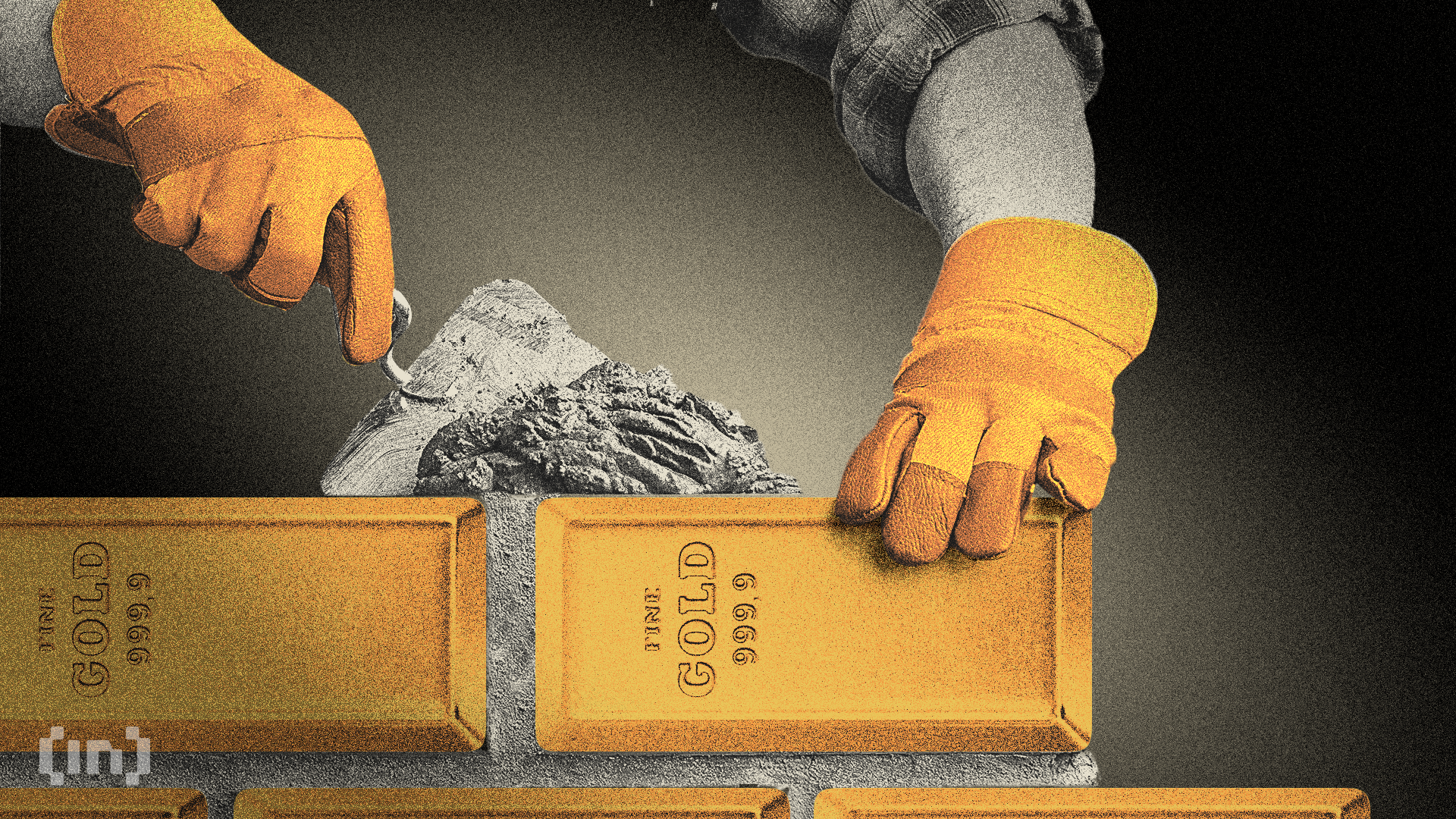
A key Wall Street player has adjusted its expectations for the precious metal. The gold forecast for the end of the year has been cut by $500 to $4,900 per ounce. The main reason is a sharp shift in market expectations regarding the Federal Reserve's monetary policy.
Analysts have revised their base case scenario. Even with this significant adjustment, the bank maintains a positive outlook on gold for the second half of the year, but it is no longer as optimistic as before. The primary trigger for the revision is weakening demand for gold-backed exchange-traded funds (ETFs). In May, approximately $2 billion was withdrawn from such funds worldwide.
ETFs lose appeal amid hawkish Fed rhetoric
The only region to show modest inflows in May was Europe. Asian funds, on the other hand, lost $1.2 billion — the first outflow since August 2025. Concurrently, bearish sentiment is intensifying in the market. Investors are increasingly less confident in the possibility of rate cuts in 2026. This week, Goldman Sachs economists moved their forecast for the Fed rate to June and December of next year. Previously, they had expected cuts in December 2026 and March 2027.
"We remain positive on gold's long-term prospects, but we are cautious in the near term: there is downside risk, yet medium-term growth cannot be ruled out," analysts note.
Fed in no rush to ease policy
This week, the Fed kept the key rate in the range of 3.50–3.75%, but the number of supporters for further hikes is growing. Nine members of the regulator now expect at least one hike in 2026. If the Fed does raise rates, gold could fall to $4,400 by the end of the year, analysts forecast. In such a scenario, the metal would become less attractive as a hedge against political risks. Goldman Sachs Vice Chairman and former Dallas Federal Reserve Bank President Rob Kaplan suggested that a hike could come as early as September.
Meanwhile, central banks are providing support to the market. In April, they again bought more gold than they sold, with a net increase of 19 tons. According to a survey by the World Gold Council, about 45% of central banks plan to increase their reserves over the year.
Expert opinion: The gold market is currently at a bifurcation point. On one hand, the Fed's hawkish stance and ETF outflows create downward pressure. On the other, structural demand from central banks remains a powerful anchor. In the short term, $4,900 looks like a realistic target, but if the Fed does raise rates, a dip to $4,400 cannot be ruled out. Investors should prepare for increased volatility.