A three-node quantum network based on atomic qubits: a new step toward a modular quantum computer
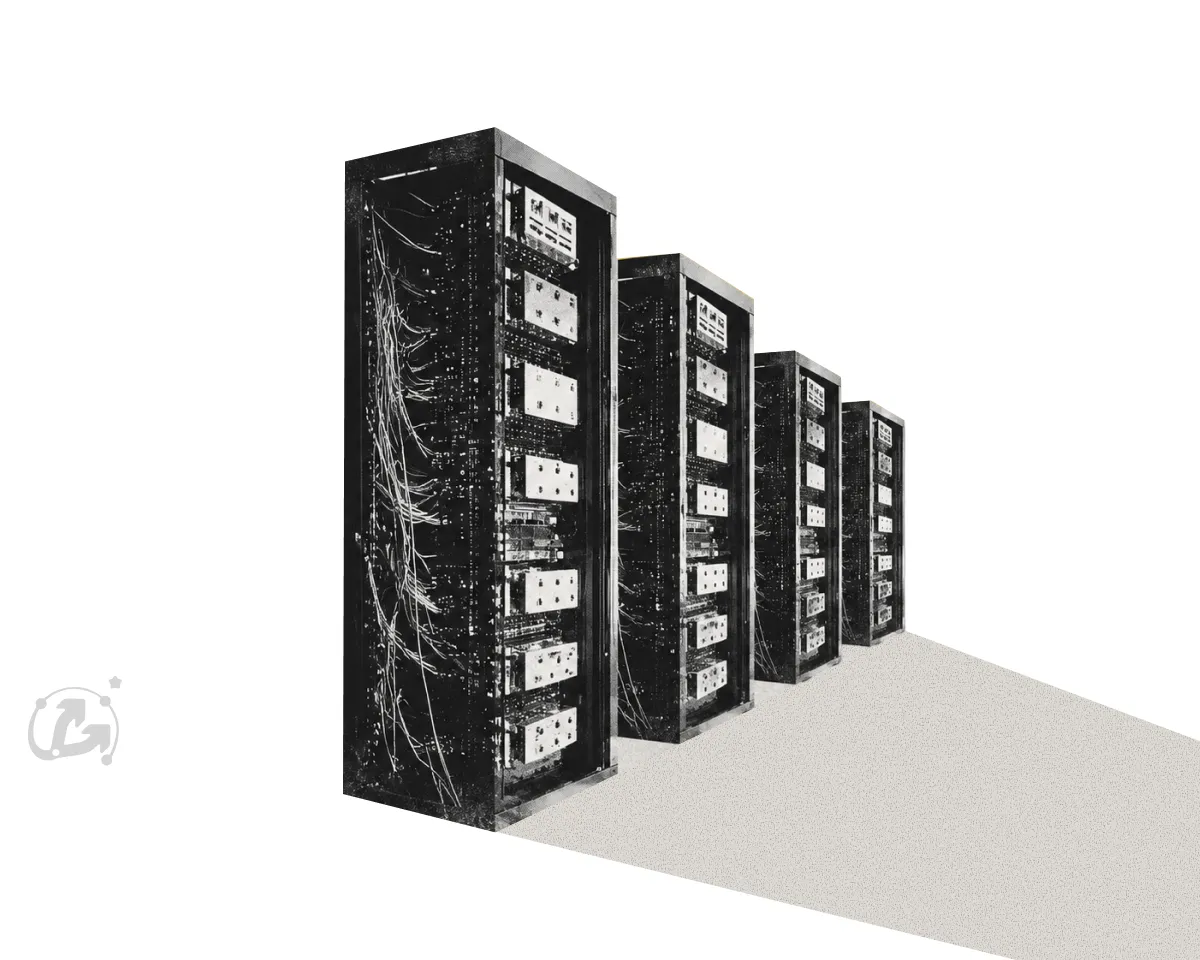
The world of quantum computing has taken another significant step forward. Researchers from Duke University, in collaboration with the IonQ team, have announced the creation of the first fully distributed three-node quantum network operating on individual atomic qubits. This is not just a laboratory curiosity — it is a fundamental breakthrough that brings the era of modular quantum systems closer.
The Essence of the Experiment
The key element of success is the formation of a so-called three-party entangled state (GHZ state) between three remote quantum nodes. These nodes were connected via photonic channels, allowing the creation of a unified quantum state where a change in one particle is instantly reflected in all others. Previously, similar demonstrations were made on other physical platforms, but this is the first time it has been achieved specifically for individual atomic qubits that can be independently controlled and read out.
Why This Changes the Game
The main problem with modern quantum computers is scaling. Building a single giant processor with thousands of qubits is practically impossible due to error accumulation and physical limitations. The solution lies in a modular architecture: instead of one monster, a network of many quantum nodes connected by photons is created. This resembles the evolution of the classical internet, where resources are distributed across thousands of servers.
In the experiment, scientists achieved an entangled state fidelity of 84–88%. This is a high indicator for a distributed system. Moreover, they closed the so-called "detection loophole" for a fully distributed multi-component quantum state for the first time. Additional confirmation came from the violation of the Mermin inequality — one of the strictest tests for genuine quantum correlations.
Looking to the Future
The work continues a series of IonQ studies in the field of photonic quantum connections. Previously, the company demonstrated entanglement between two remote ion systems, and now it has expanded the architecture to three nodes. Although commercial application is still far off, such experiments are the building blocks of future distributed quantum computers, secure communication networks, and ultimately, the quantum internet.
My comment: This result is particularly important because it proves the fundamental feasibility of scaling quantum systems through photonic connections. If earlier we were talking about theory, now there is practical confirmation. The next logical step is to increase the number of nodes to tens and hundreds, which could happen in the next 3–5 years. The quantum technology market receives a clear signal: the modular approach works.