A quantum network with three atomic qubits: the first step towards a modular quantum computer
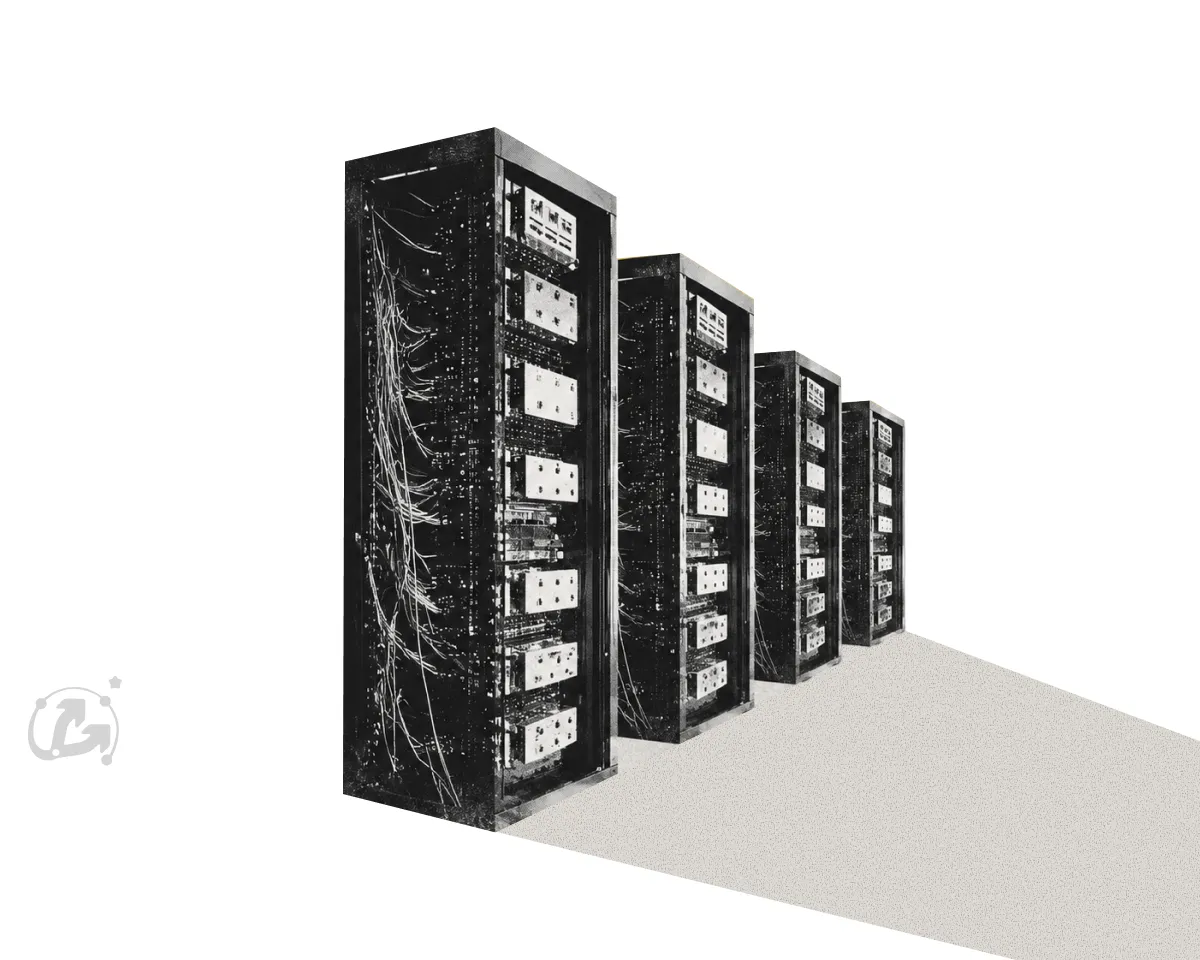
A breakthrough has occurred in quantum engineering: researchers from Duke University and IonQ have, for the first time, created a three-node fully distributed quantum network based on individual atomic qubits. This event marks a crucial milestone on the path to building modular quantum computing systems and a quantum internet.
The scientists successfully formed a three-party entangled state (GHZ state) between three remote quantum nodes connected by photonic channels. Quantum entanglement allows particles to remain inextricably linked over any distance, and this property is the foundation for future distributed quantum networks.
Previously, similar results were achieved on other physical platforms, but for individual atomic qubits, which can be independently controlled and scaled, this experiment was the first of its kind. The main advantage of this approach is the ability to build computing systems by combining multiple quantum nodes, rather than attempting to create one giant and unreliable processor.
Why This Is a Breakthrough
The main problem with modern quantum computers is scaling. The more qubits in a single device, the higher the error rate and the more complex the control. A modular architecture, mimicking the development of the classical internet, offers an elegant solution: connecting many small quantum processors via photonic communication links.
In the experiment, the fidelity of the entangled state was an impressive 84–88%. Additionally, the scientists managed for the first time to close the so-called "detection loophole" for a fully distributed multi-component quantum state. The results also confirmed the violation of the Mermin inequality — a rigorous test proving the presence of genuine quantum correlations rather than classical ones.
Looking to the Future
This work continues a series of IonQ studies on photonic quantum connections. Previously, the company demonstrated entanglement between two nodes, and has now expanded the architecture to three full blocks. Although commercial application is still far off, such experiments are the building blocks for future secure communication networks and the quantum internet.
My professional opinion: This result confirms that the modular approach to quantum computing is viable. If we can scale such networks to tens and hundreds of nodes, it will solve the error problem and pave the way for practical quantum computing. The next step is increasing the number of nodes and demonstrating quantum algorithms on such a distributed architecture.