Breakthrough in quantum computing: a three-node network on individual atoms has been created for the first time.
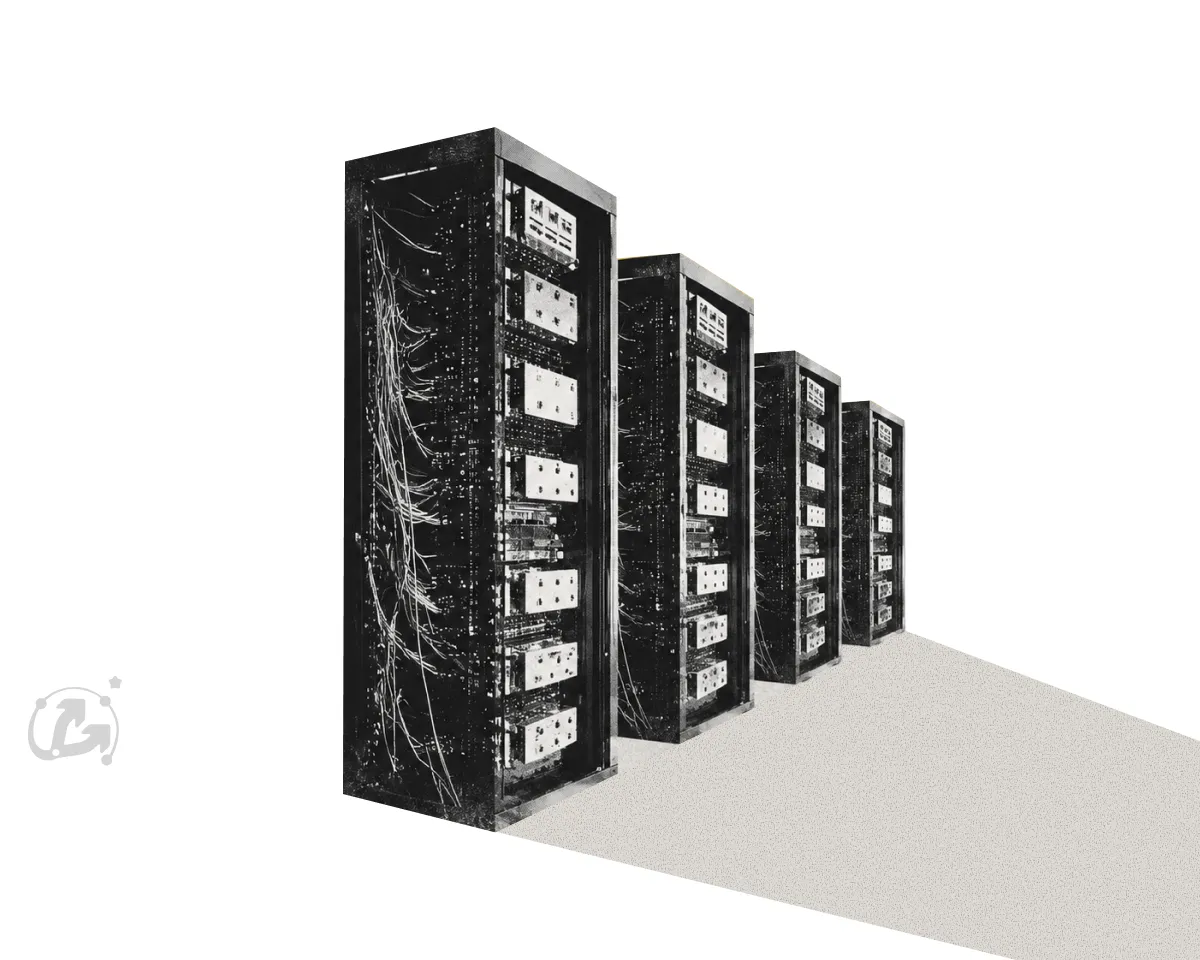
The world of quantum technologies has received a powerful boost. A research group, combining efforts from Duke University and IonQ, has successfully implemented the first fully distributed three-node quantum network. The key distinction of this work is the use of individual atomic qubits, which have been entangled into a triple entangled system for the first time.
The Essence of the Experiment
At the core of this achievement lies the creation of the famous Greenberger–Horne–Zeilinger (GHZ) state among three remote quantum nodes. These nodes were connected via photonic channels, enabling the formation of a unified quantum state. Previously, such configurations were demonstrated on other physical platforms, but for individual atomic qubits that can be independently controlled and read out, this is a first.
Why This Changes the Game
The main challenge of modern quantum computers is scaling. Building a single giant processor involves enormous technical difficulties due to quantum errors and equipment limitations. This is why the industry is increasingly moving toward a modular architecture. Instead of constructing one monolithic chip, the proposal is to connect multiple quantum nodes into a network, using photons as "wires." This experiment clearly demonstrates the viability of such an approach.
Numbers and Evidence
The fidelity of the resulting entangled state reached an impressive 84–88%. Moreover, scientists managed to close the so-called "detection loophole" for a fully distributed multi-component quantum state for the first time. An additional confirmation of the genuine quantum nature of the connections was the violation of the Mermin inequality—one of the strictest tests for the presence of true quantum correlations.
A Look into the Future
Although commercial deployment of such systems is still far off, this work lays the foundation for distributed quantum computers, secure communications, and ultimately, the quantum internet. IonQ is steadily moving in this direction: the company previously demonstrated entanglement between two remote ion systems and has now expanded the architecture to three full-fledged nodes.
My Comment: This result is not just a laboratory curiosity but a crucial step toward the practical implementation of quantum networks. While the market focuses on increasing the number of qubits in a single processor, it is the modular approach that may hold the key to creating truly powerful and fault-tolerant systems. Keep an eye on this technology—it will shape the computing infrastructure of the next generation.