The Granta magazine is severing its partnership with a literary award due to an AI scandal.
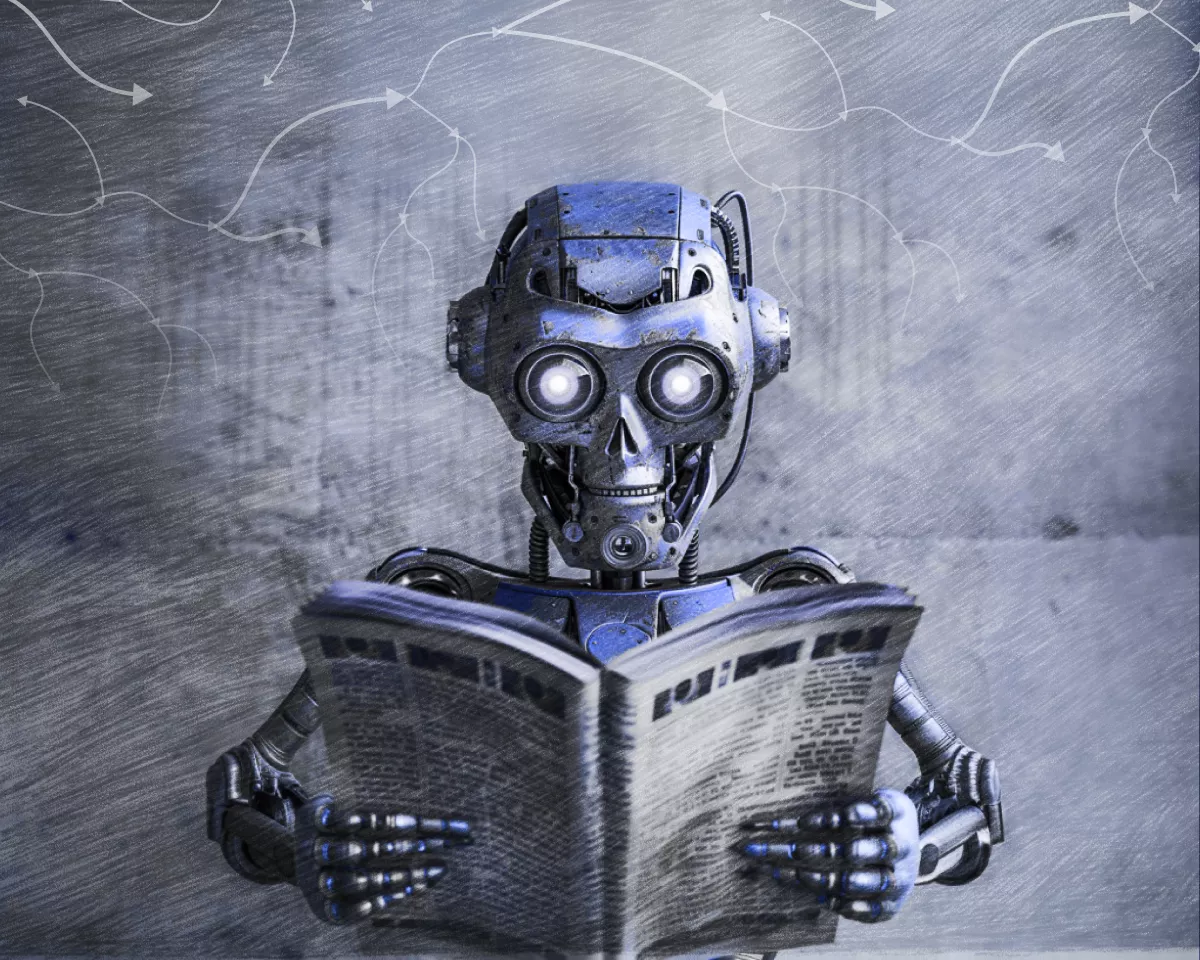
The conflict surrounding the use of artificial intelligence in literature has led to the breakdown of a long-standing partnership. The British literary magazine Granta has announced it will stop publishing stories by winners of the Commonwealth Short Story Prize after one of the texts was suspected of being generated by a neural network. This decision marks a new wave of tension between traditional literature and rapidly developing technologies.
Reason for the Break: Lack of Editorial Control
Granta's management stated that it will no longer participate in "external publishing partnerships" where the magazine does not have full editorial control. The trigger was the selection of regional winners for the 2026 prize, which caused widespread controversy. Suspicion fell on one or more stories that, according to experts, could have been at least partially generated by AI. The authors "firmly rejected" these allegations, but Granta took a principled step.
Controversial Story and Author's Defense
The epicenter of the scandal was the story "The Serpent in the Grove" by Jameer Nazir, the winner in the Caribbean region. Some readers and professional critics pointed out linguistic structures and repetitive patterns characteristic of generative AI. Nazir himself explained that he writes exclusively on an Android smartphone and, due to chronic health issues, dictates the text, only minimally editing it with the keyboard. Publisher and philanthropist Sigrid Rausing suggested that the judges might have awarded "a case of AI plagiarism," but emphasized that this is "still unknown." In turn, Commonwealth Foundation CEO Razmi Farook stated that all authors from the shortlist personally confirmed the absence of AI-generated content, and the foundation accepted their statements after additional consultations.
Financial Aspect and Consequences
The overall winner of the Commonwealth Short Story Prize receives £5,000, and regional winners receive £2,500 each. The Sigrid Rausing Trust allocated £30,000 to support the prize in 2014-2016. Notably, the prize organizers did not respond to the magazine's inquiries, which only worsened the situation. Granta, however, will keep the shortlisted stories on its website "in the public interest."
Expert Commentary. This incident is just the tip of the iceberg. The literary community is entering an era where the line between human creativity and machine generation is blurring before our eyes. Prizes and publishers will be forced to implement strict verification protocols, otherwise trust in literary awards could be completely undermined. Let me remind you that earlier, the organizers of the Oscars also banned AI-generated actors and scripts — the trend is obvious.