Conflict over AI in literature: Granta magazine ends partnership with prestigious prize
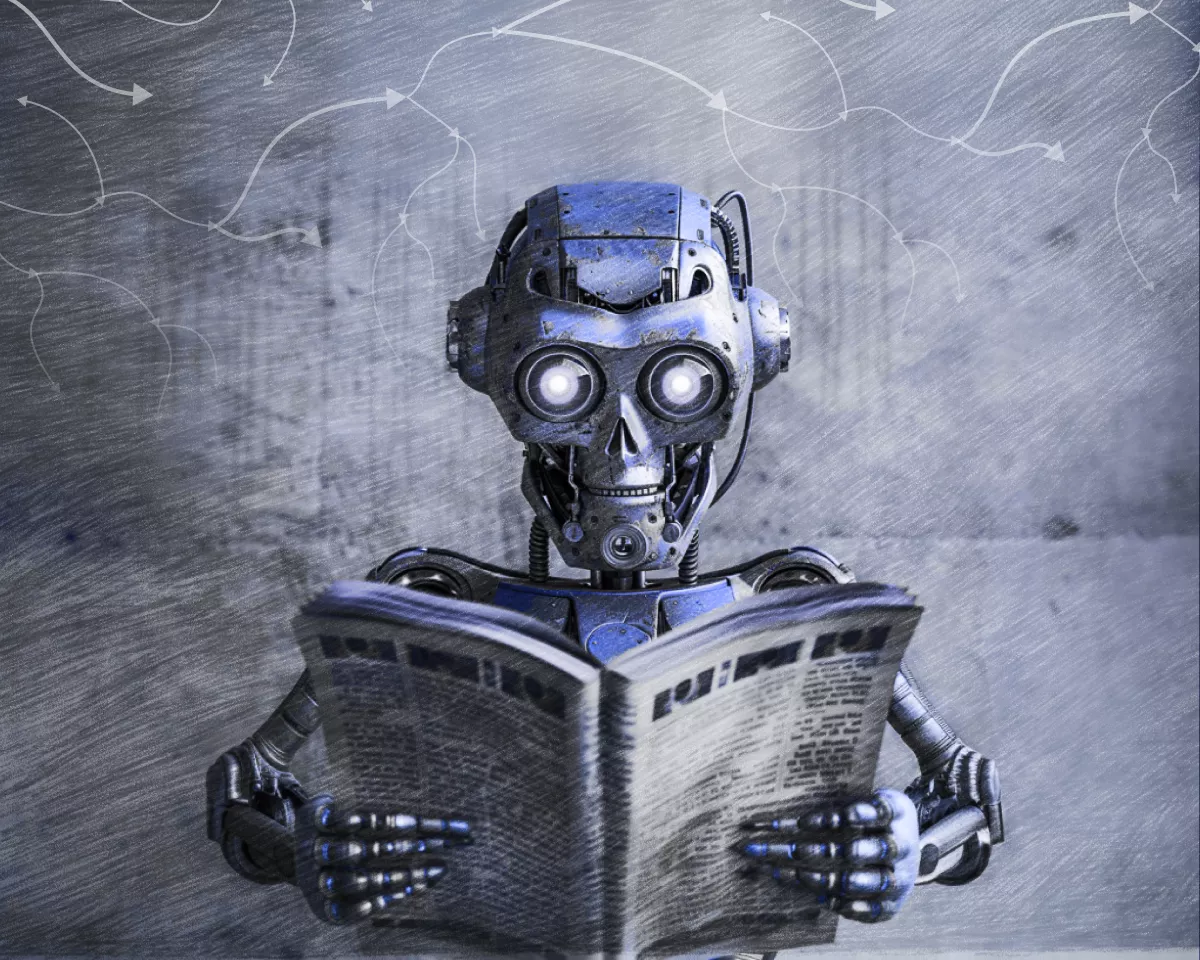
The British literary magazine Granta has announced it will stop publishing stories by winners of the Commonwealth Short Story Prize. The decision was made after a heated dispute over the possible use of generative artificial intelligence in one of the competition entries, which raised serious doubts about the transparency of the selection process.
Granta's official editorial stance is unequivocal: the magazine will no longer participate in external publishing partnerships where it lacks full editorial control. This move is a direct response to the situation with the regional winners of the 2026 prize, when suspicions arose that one or more stories may have been partially or entirely generated by AI. The authors, in turn, categorically denied these allegations.
Epicenter of the scandal: The story The Serpent in the Grove
The main controversy erupted around the work The Serpent in the Grove, authored by Jameer Nazir — the winner in the Caribbean region. Experts and readers pointed to typical markers of generative AI: repetitive language structures and characteristic patterns that are difficult to explain as a natural literary style.
In his defense, Nazir stated that he works exclusively on an Android smartphone. Due to chronic health issues, he is forced to dictate the text and then only minimally edit it using the keyboard. This explanation, however, did not convince critics, who insist on the need for stricter checks.
Publisher and philanthropist Sigrid Rausing, whose foundation previously funded the prize, acknowledged that judges might have awarded "a case of AI plagiarism," but emphasized that no final verdict has been reached yet. Razmi Farook, CEO of the Commonwealth Foundation, on the other hand, stated that all shortlisted authors personally confirmed the absence of AI-generated content, and after additional consultations, the foundation deemed their statements credible.
Financial aspect and broader context
For the record, the overall winner of the Commonwealth Short Story Prize receives £5,000, and regional winners receive £2,500 each. According to the Sigrid Rausing Trust, £30,000 was allocated for the prize between 2014 and 2016. The prize organizers have not yet responded to journalists' inquiries, which only adds to the uncertainty.
This incident is not an isolated case. In May, the organizers of the Oscars already banned the use of AI-generated actors and scripts, demonstrating growing concern in the creative industries.
My expert analysis: This conflict is just the tip of the iceberg. The literary community is facing a fundamental problem: how to distinguish human creativity from machine imitation when AI tools are becoming increasingly sophisticated. Granta's withdrawal from the partnership is a precedent that will force many prizes and publishers to reconsider their policies. In the coming years, we will likely see the introduction of mandatory AI content detectors and stricter rules for participants. The question is not "if" this will happen, but how effective these measures will prove to be.