The literary magazine Granta is ending its partnership with the Commonwealth Prize due to an AI scandal.
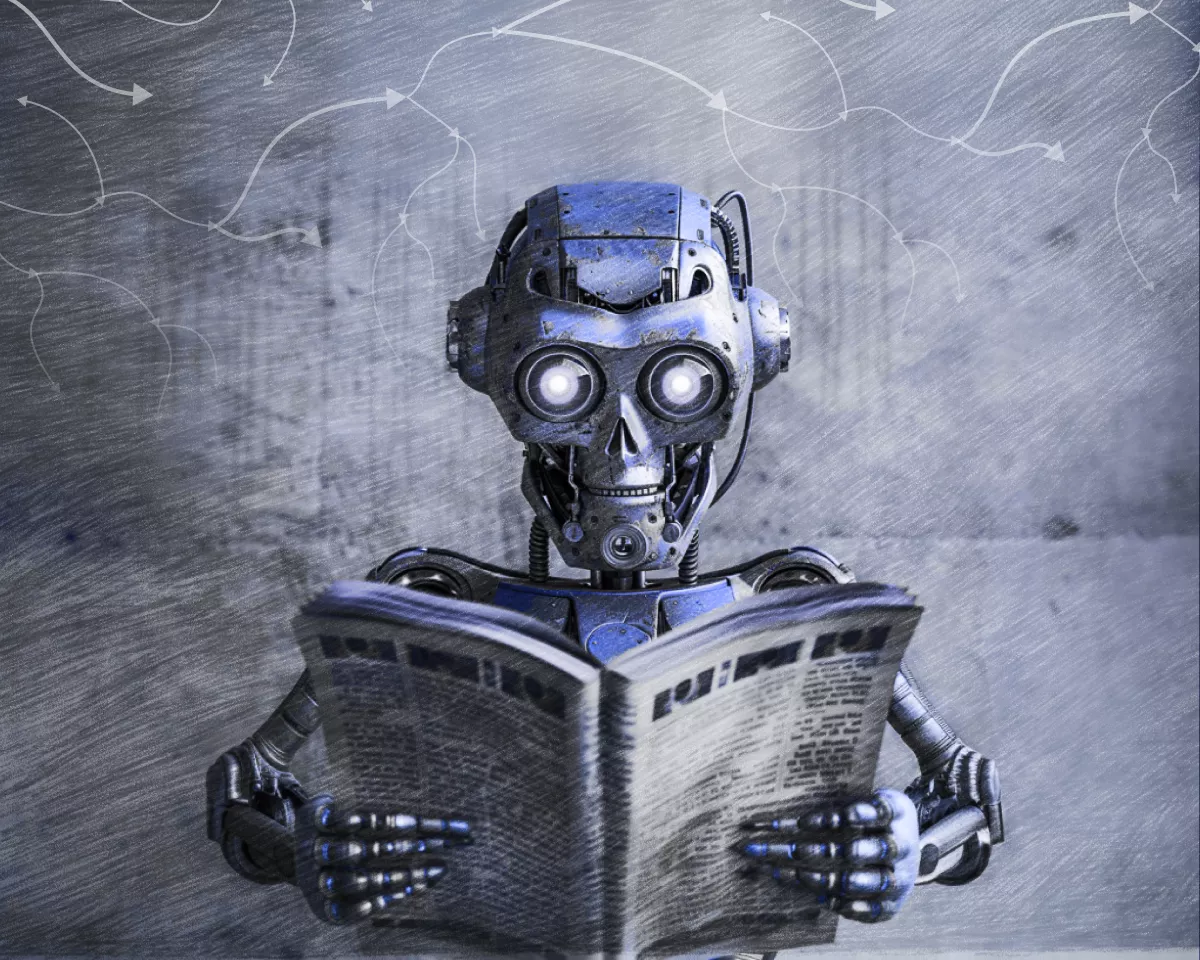
The British literary magazine Granta has decided to stop publishing stories by winners of the Commonwealth Short Story Prize. The reason is a growing dispute over the possible use of generative artificial intelligence in one of the competition entries.
In an official statement, the editorial board emphasized that it no longer intends to participate in "external publishing partnerships" where it does not have full editorial control. This decision is a direct response to the incident involving the selection of regional winners for the 2026 prize, which has caused widespread controversy in the literary community.
Dubious Creativity or Reality?
At the center of the scandal is the story The Serpent in the Grove, written by Jameer Nazir — the winner in the Caribbean region. A number of readers and experts have noted characteristic signs of generative AI: repetitive language structures, unnatural patterns, and a specific style typical of models like GPT.
Nazir himself categorically denied the accusations. In a comment to the Observer, he explained that due to chronic health issues, he is forced to dictate text on an Android smartphone and then minimally edit it using a keyboard. According to him, this is the only way he can work, and no AI is involved in the process.
Publisher and philanthropist Sigrid Rausing suggested that the judges might have "accidentally awarded a case of AI plagiarism," but emphasized that there is no definitive evidence yet. Commonwealth Foundation CEO Razmi Farook, in turn, stated that all shortlisted authors personally confirmed the absence of AI-generated content, and after additional consultations, the foundation deemed their statements credible.
Financial Aspect and Consequences
The winner of the Commonwealth Short Story Prize receives £5,000, and regional laureates receive £2,500 each. According to the Sigrid Rausing Trust, the foundation allocated £30,000 for the prize in 2014–2016. Granta, however, will keep the shortlisted stories on its website "in the public interest" but has refused further collaboration.
This case is another link in the chain of conflicts between traditional cultural institutions and AI technologies. Earlier, in May, the organizers of the Oscars banned the use of AI-generated actors and scripts.
My analysis: The Granta incident highlights the growing tension in creative industries. The issue is not so much whether a specific author used AI, but rather the lack of transparent verification mechanisms. Until the industry develops unified standards, such scandals will recur, undermining trust in literary prizes and publishers.