The literary magazine Granta is ending its partnership with the Commonwealth Prize due to an AI scandal.
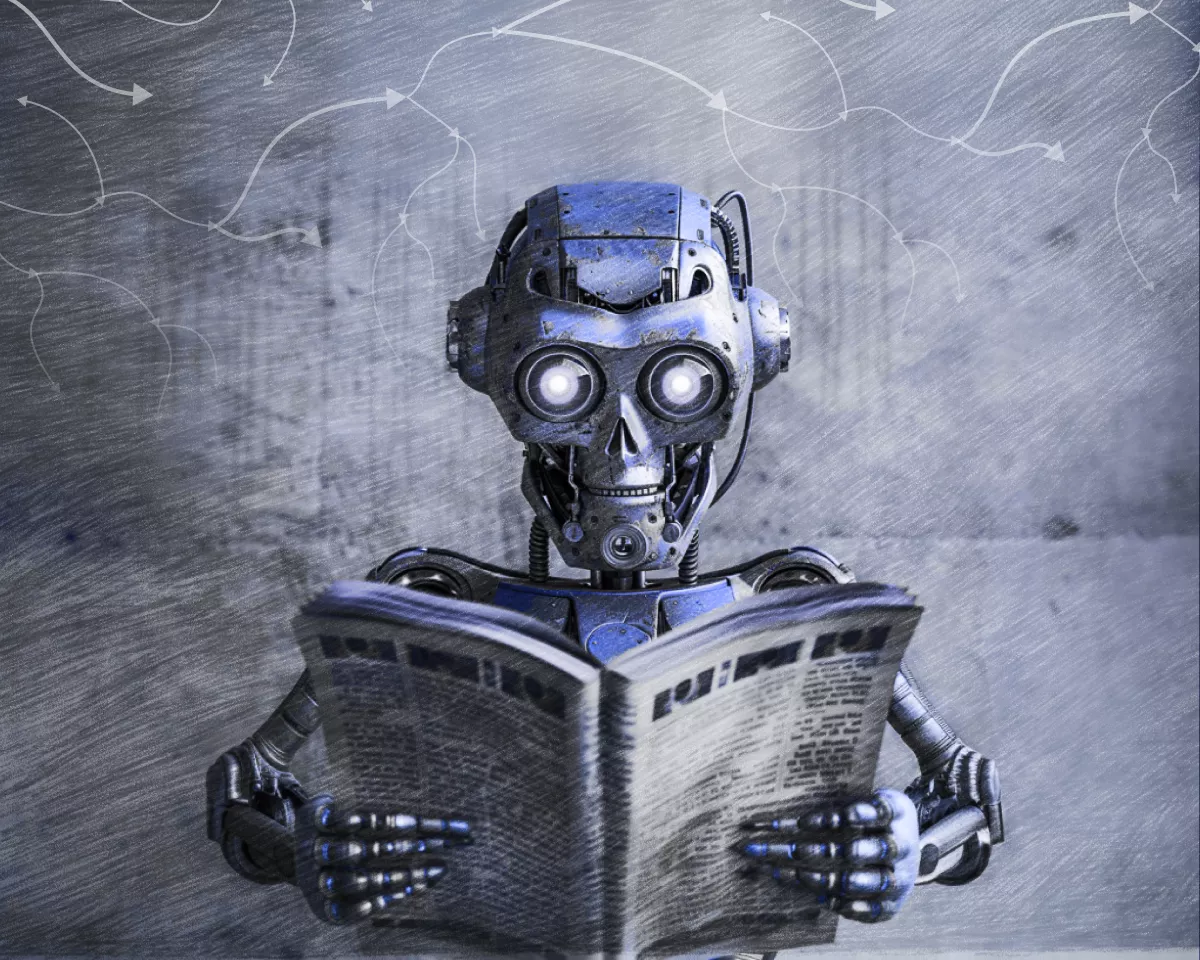
The British literary magazine Granta has announced that it will stop publishing stories by winners of the Commonwealth Short Story Prize. The decision was made after a heated dispute over the possible use of generative artificial intelligence in one of the competition entries. This event once again raises the question of the boundaries of AI use in creative industries.
In an official statement, Granta emphasized that it will no longer participate in "external publishing partnerships" where the magazine lacks full editorial control. The trigger was the selection of regional winners for the 2026 prize, which caused a stir due to suspicions that one or more stories may have been, at least partially, generated by AI. The authors "strongly rejected" the allegations, but the magazine decided to keep the shortlisted stories on its website "in the public interest"—likely for transparency and analysis.
The epicenter of the scandal was the story The Serpent in the Grove by Jameer Nazir, the winner in the Caribbean region. Some readers and experts claimed that the text contained characteristic signs of generative AI: repetitive language structures and uniform patterns typical of neural networks. Nazir, for his part, explained in an interview with the Observer that he works exclusively on an Android smartphone and, due to chronic health issues, dictates the text, only minimally editing it with the keyboard.
Publisher and philanthropist Sigrid Rausing suggested that the judges might have awarded "a case of AI plagiarism," but stressed that this "is not yet known." Commonwealth Foundation CEO Razmi Farook stated that all shortlisted authors personally confirmed the absence of AI-generated content, and after additional consultations, the foundation declared them innocent. However, the residue remains: the overall prize winner receives £5,000, regional winners get £2,500 each, and the Sigrid Rausing Trust allocated £30,000 for the prize in 2014-2016.
My analysis. This case is just the tip of the iceberg. The entertainment and arts industry is on the verge of a systemic identity crisis: how to distinguish human creativity from machine imitation? Technically, dictating text on a smartphone can create patterns similar to AI, but without independent expertise, we risk either falsely accusing authors or missing real "AI plagiarism." In May, the Oscars organizers already banned AI-generated actors and scripts—this seems to be the beginning of a new era where trust in creativity will be backed by technological guarantees.