Granta terminates partnership with literary prize over AI scandal: a crisis of trust in the cultural sphere
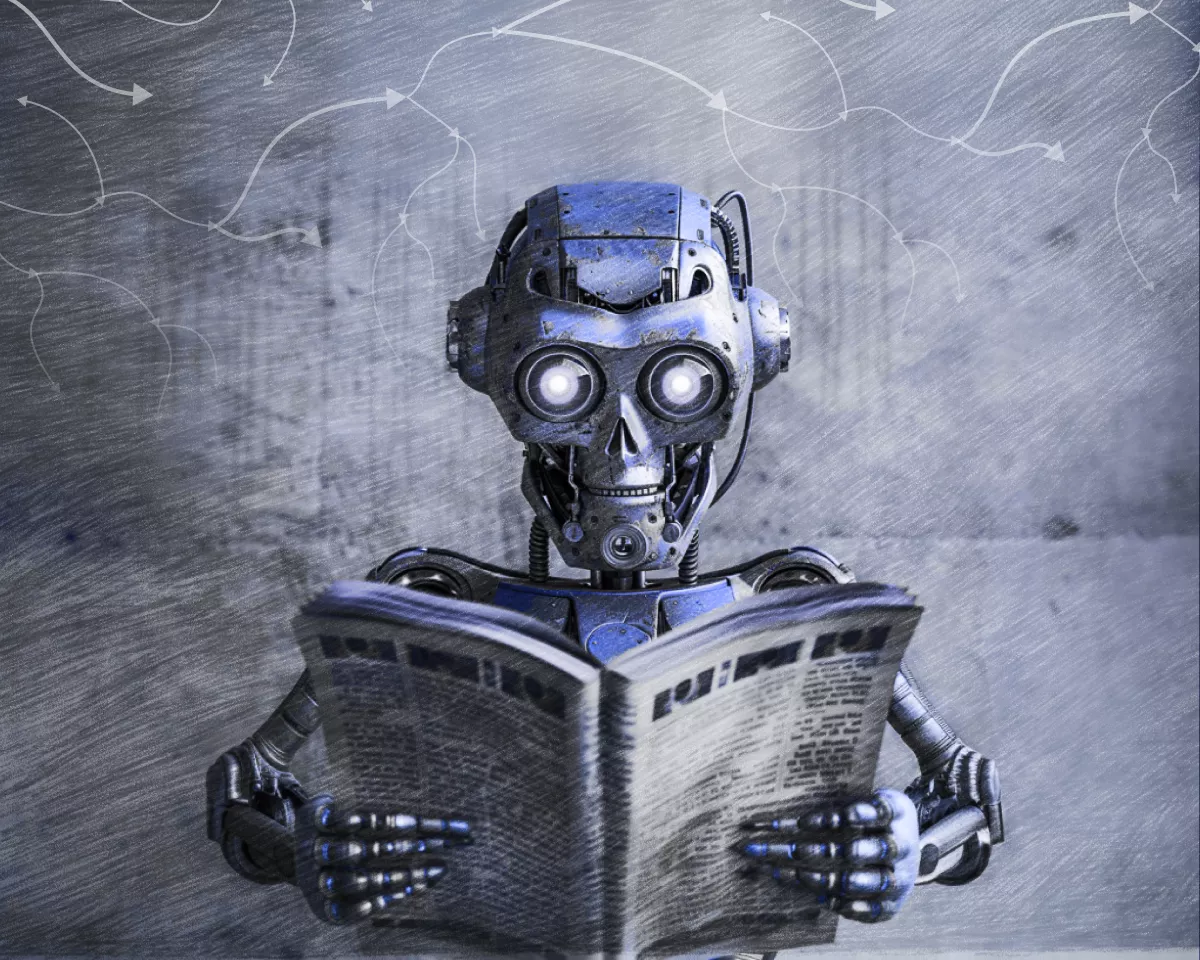
The British literary magazine Granta has decided to stop publishing stories by winners of the Commonwealth Short Story Prize. The reason is a growing dispute over the possible use of generative artificial intelligence in one of the award-winning texts. This decision marks another stage in the escalating tension between traditional cultural institutions and AI technologies.
Granta's official position is that the magazine will no longer participate in "external publishing partnerships" where the editorial team lacks full control over the content. The trigger was the selection of regional winners for the 2026 prize, which sparked widespread controversy. Suspicion fell on one or more texts—experts and readers claimed they could have been partially generated by a neural network. The authors themselves categorically denied these allegations.
At the center of the scandal is the story The Serpent in the Grove by Jameer Nazir, the winner from the Caribbean region. Critics pointed to linguistic structures and repetitive patterns characteristic of AI. In his defense, Nazir explained that he writes exclusively on an Android smartphone and, due to chronic health issues, dictates the text, only minimally editing it. Publisher and philanthropist Sigrid Rausing suggested that the judges might have fallen victim to a "case of AI plagiarism," but emphasized that no final verdict has been reached yet.
Chief Executive of the Commonwealth Foundation, Razmi Farook, stated that all shortlisted authors personally confirmed the absence of AI-generated content, and after additional checks, the foundation accepted their statements. Nevertheless, Granta will keep the shortlisted stories on its website "in the public interest."
The financial aspect of the incident is also noteworthy: the overall winner of the Commonwealth Short Story Prize receives £5,000, and regional winners receive £2,500 each. The Sigrid Rausing Trust allocated £30,000 to the prize in 2014–2016. Against the backdrop of this case, reminiscent of the recent ban on AI-generated actors and scripts at the Oscars, it becomes clear: the cultural industry is entering an era of total authorship verification. This is not just a technical dispute—it is a fundamental question about what we consider creativity and who is responsible for it.
Expert commentary: The Granta incident is just the tip of the iceberg. We are witnessing the formation of a new standard: any text vying for a prestigious award will soon undergo mandatory AI verification. For the crypto and blockchain community, this is an additional signal: a technology capable of doing good can also become a tool for delegitimization. Trust takes longer to restore than technology takes to create.