The literary magazine Granta has terminated its partnership with a literary award due to an AI-related scandal: a crisis of trust in the publishing industry.
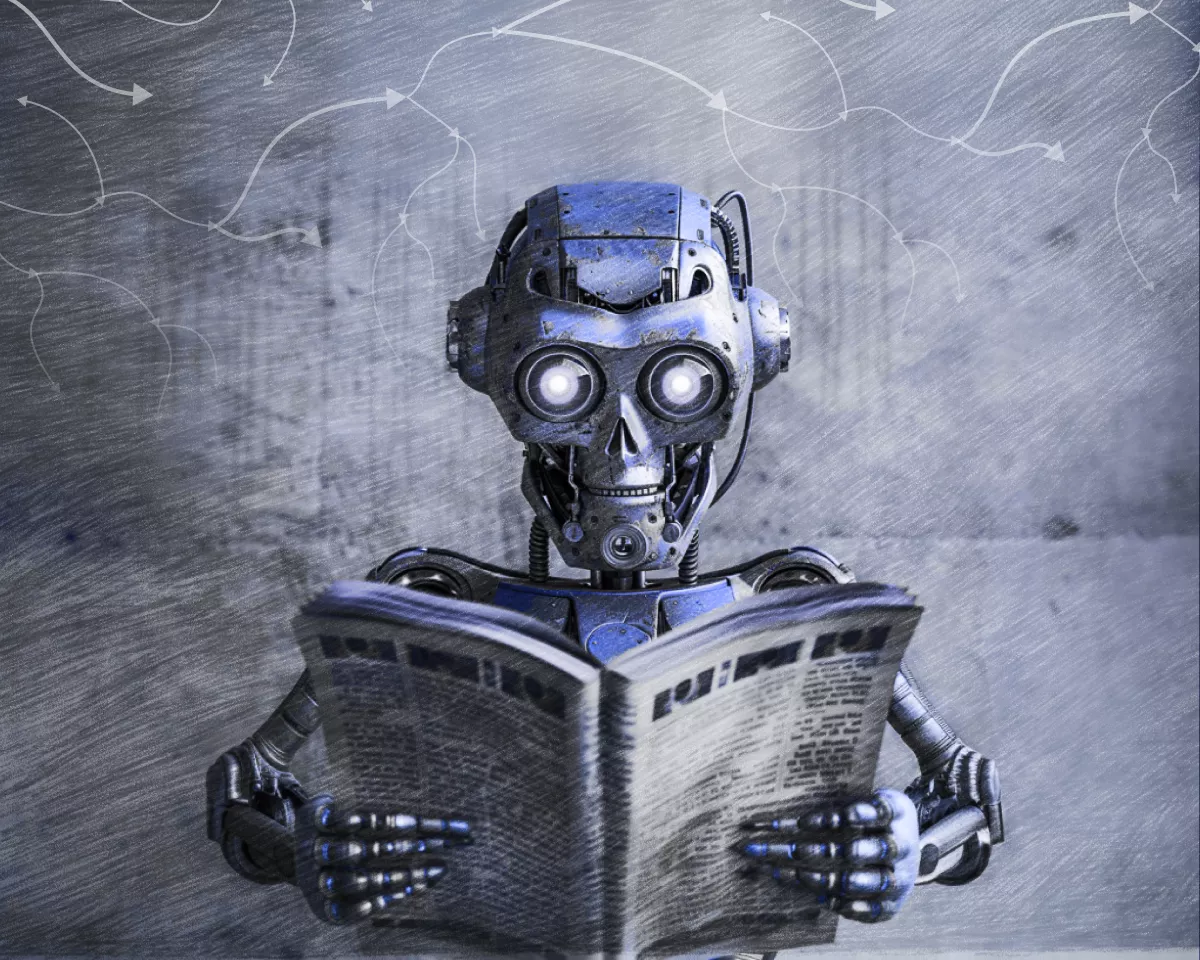
The British literary magazine Granta has made a radical decision — to stop publishing stories by winners of the prestigious Commonwealth Short Story Prize. The reason is a scandal that erupted over the possible use of generative artificial intelligence in one of the award-winning texts. This event has become a warning signal for the entire literary and publishing ecosystem.
Granta's official position is unequivocal: the magazine is withdrawing from "external publishing partnerships" where it lacks editorial control. The decision was made after the selection of regional winners for the 2026 prize sparked a heated reaction. Suspicion fell on one or more stories that, according to some experts and readers, may have been partially generated by AI. The authors categorically denied these accusations.
The greatest controversy was sparked by the story The Serpent in the Grove by Jameer Nazir, the winner in the Caribbean region. Critics pointed to linguistic structures and repetitive patterns characteristic of neural networks. In his defense, Nazir stated that due to chronic health issues, he dictates text on an Android smartphone and then only minimally edits it — which, in his opinion, explained the unusual style.
Publisher and philanthropist Sigrid Rausing suggested that judges might have encountered a "case of AI plagiarism," but emphasized that there is no definitive evidence. Conversely, Razmi Farook, CEO of the Commonwealth Foundation, stated that all shortlisted authors personally confirmed the absence of AI-generated content, and the foundation acknowledged this after additional checks.
The financial aspect is also noteworthy: the overall prize winner receives £5,000, and regional winners receive £2,500 each. According to the website, the Sigrid Rausing Trust allocated £30,000 for the prize in 2014-2016. Granta, for its part, will keep the shortlisted stories on its website "in the public interest," highlighting the duality of the situation — the magazine wants to maintain transparency but distances itself from the selection process.
Expert comment: This incident is just the tip of the iceberg. The literary industry faces a fundamental challenge: how to verify authorship in an era when AI can mimic human style. Granta's withdrawal from the partnership is not just an emotional reaction but a strategic move aimed at protecting its reputation. I expect this will be followed by stricter requirements for verification procedures at all major literary competitions. Without clear rules and technological solutions, trust in any creative awards will be undermined.