The literary magazine Granta terminates its partnership with the award due to an AI scandal: an analysis of the consequences
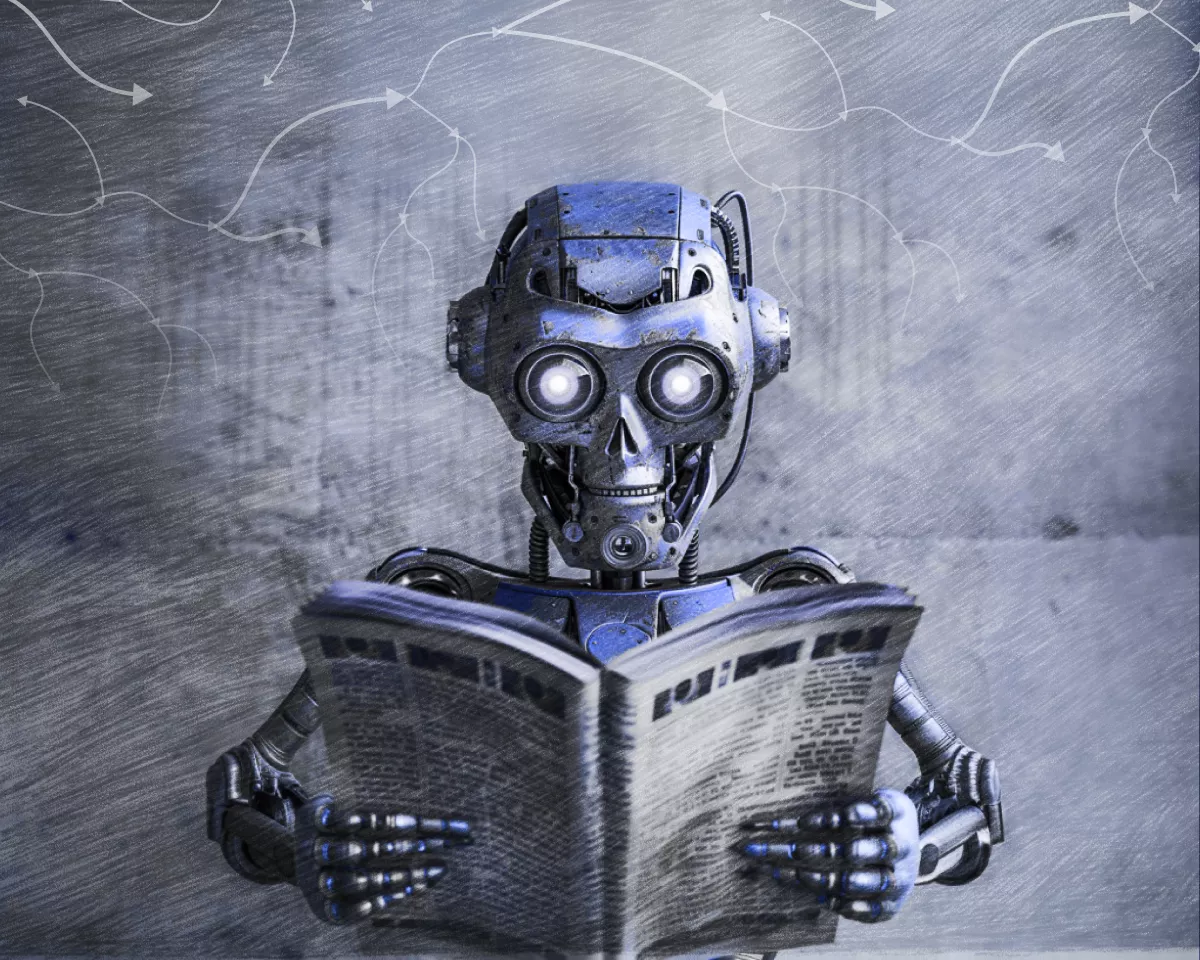
The British literary magazine Granta has decided to stop publishing stories by winners of the Commonwealth Short Story Prize. The reason is a dispute over the possible use of generative artificial intelligence in one of the competition entries. This decision marks a new stage in the confrontation between the traditional literary ecosystem and AI technologies.
Granta's management stated that it is withdrawing from "external publishing partnerships" where the magazine does not have full editorial control. Clearly, the incident has undermined trust in content originality verification procedures.
The trigger for the breakup was the selection of regional winners for the 2026 prize. At the center of the scandal was the story "The Serpent in the Grove," written by Jameer Nazeer, the winner in the Caribbean region. Some readers and experts detected characteristic signs of generative AI in the text: repetitive linguistic structures and unnatural patterns.
The author denied the accusations, explaining that due to chronic health issues, he is forced to dictate text on an Android smartphone and then minimally edit it. Publisher and philanthropist Sigrid Rausing suggested that judges might have awarded "a case of AI plagiarism," but emphasized that this is "still unknown."
Commonwealth Foundation CEO Razmi Farook stated that all shortlisted authors personally confirmed the absence of AI-generated content, and after additional consultations, the foundation recognized their good faith. However, Granta chose to maintain its distance, leaving the shortlisted stories on its website "in the public interest."
The financial aspect of the incident is also noteworthy: the overall winner of the Commonwealth Short Story Prize receives £5,000, and regional laureates receive £2,500 each. Meanwhile, the Sigrid Rausing Trust allocated £30,000 to the prize in 2014-2016.
Expert comment: This case demonstrates a fundamental problem that the entire intellectual property industry will face. Even without evidence of AI use, mere suspicion is enough to destroy long-standing partnerships. The market urgently needs standardized content verification protocols—otherwise, trust in any creative competitions will be undermined. The Granta incident is merely a prelude to larger conflicts.