Granta terminates partnership with literary prize: AI scandal raises questions about the future of creativity
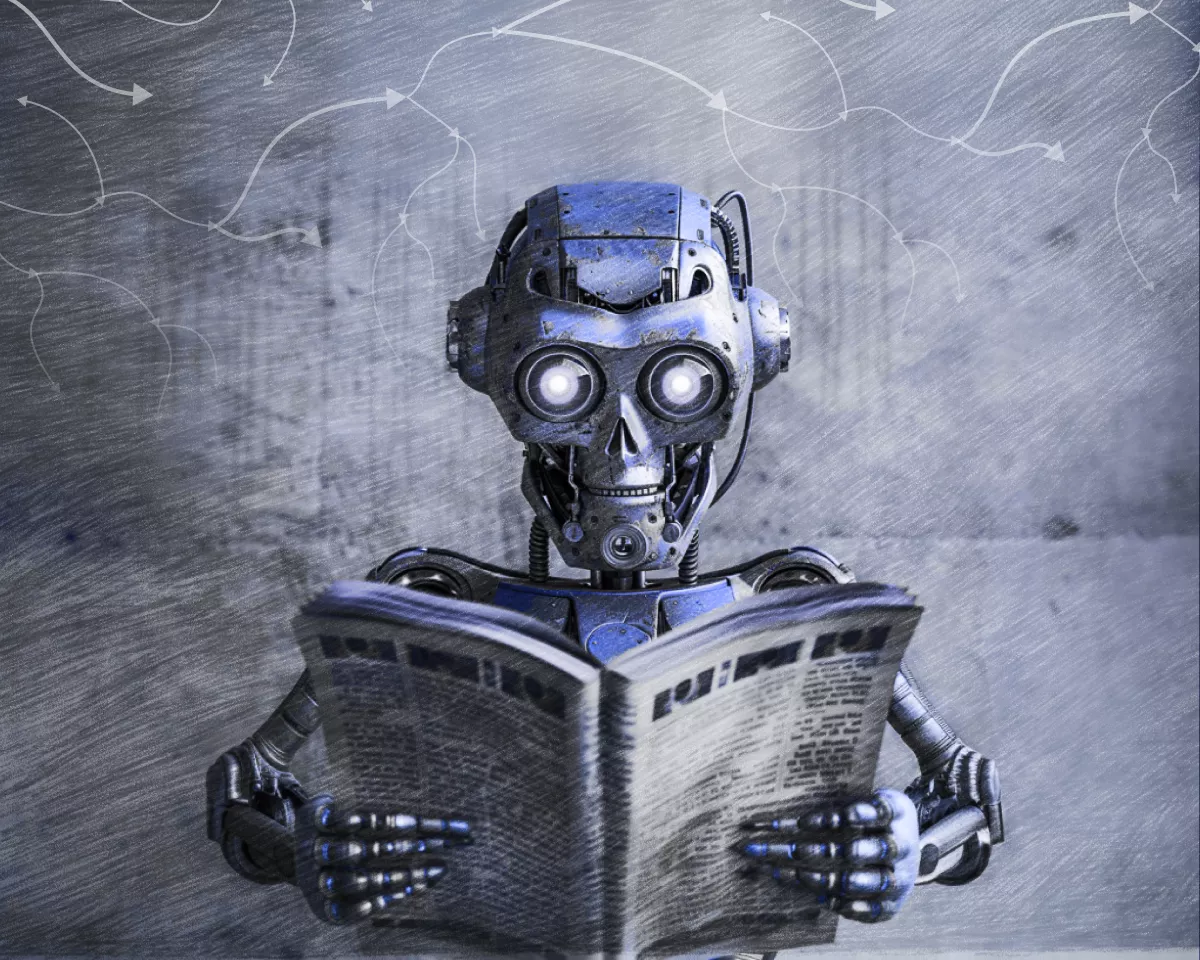
The crypto world is accustomed to debates around algorithms and decentralization, but now artificial intelligence is invading a sphere where the human word was valued above all else: literature. The British literary magazine Granta has officially stopped publishing stories by winners of the prestigious Commonwealth Short Story Prize. The reason is a scandal involving suspicions of using generative neural networks to create competition entries.
Granta stated it will no longer participate in "external publishing partnerships" where the magazine lacks editorial control. This decision is a direct response to the incident involving the selection of regional winners for the 2026 prize. The conflict erupted around the story The Serpent in the Grove by author Jameer Nazir, who won in the Caribbean region. Critics and readers pointed to characteristic signs of AI work: repetitive patterns and specific linguistic constructions typical of models like GPT.
Nazir denies the accusations, explaining the text's style by saying he dictates material on an Android smartphone due to chronic health issues. Publisher and philanthropist Sigrid Rausing suggested that judges might have encountered a "case of AI plagiarism" but emphasized that there is no definitive proof. Commonwealth Foundation CEO Razmi Farooq stated that all finalists personally confirmed the absence of AI-generated content, and the foundation accepted their assurances.
It is important to note that the financial stakes here are significant: the overall winner receives £5,000, and regional laureates receive £2,500 each. According to the Sigrid Rausing Trust, the foundation allocated £30,000 for the prize in 2014-2016. Granta, for its part, will keep the shortlisted stories on its website "in the public interest" but will distance itself from sponsorship.
This case is not isolated. I recall that earlier, the organizers of the Oscars banned AI-generated actors and scripts. The literary community, like the crypto industry, faces a fundamental question: how to distinguish human creativity from algorithmic imitation when the line becomes increasingly blurred? As an analyst, I see a parallel here with crypto verification: without clear "smart contracts" and transparent rules, trust in the system collapses. Artificial intelligence does not create—it compiles, and until literary prizes implement mechanisms for proving authorship, scandals will multiply.