The literary world versus algorithms: Granta magazine terminates contract with award due to AI scandal
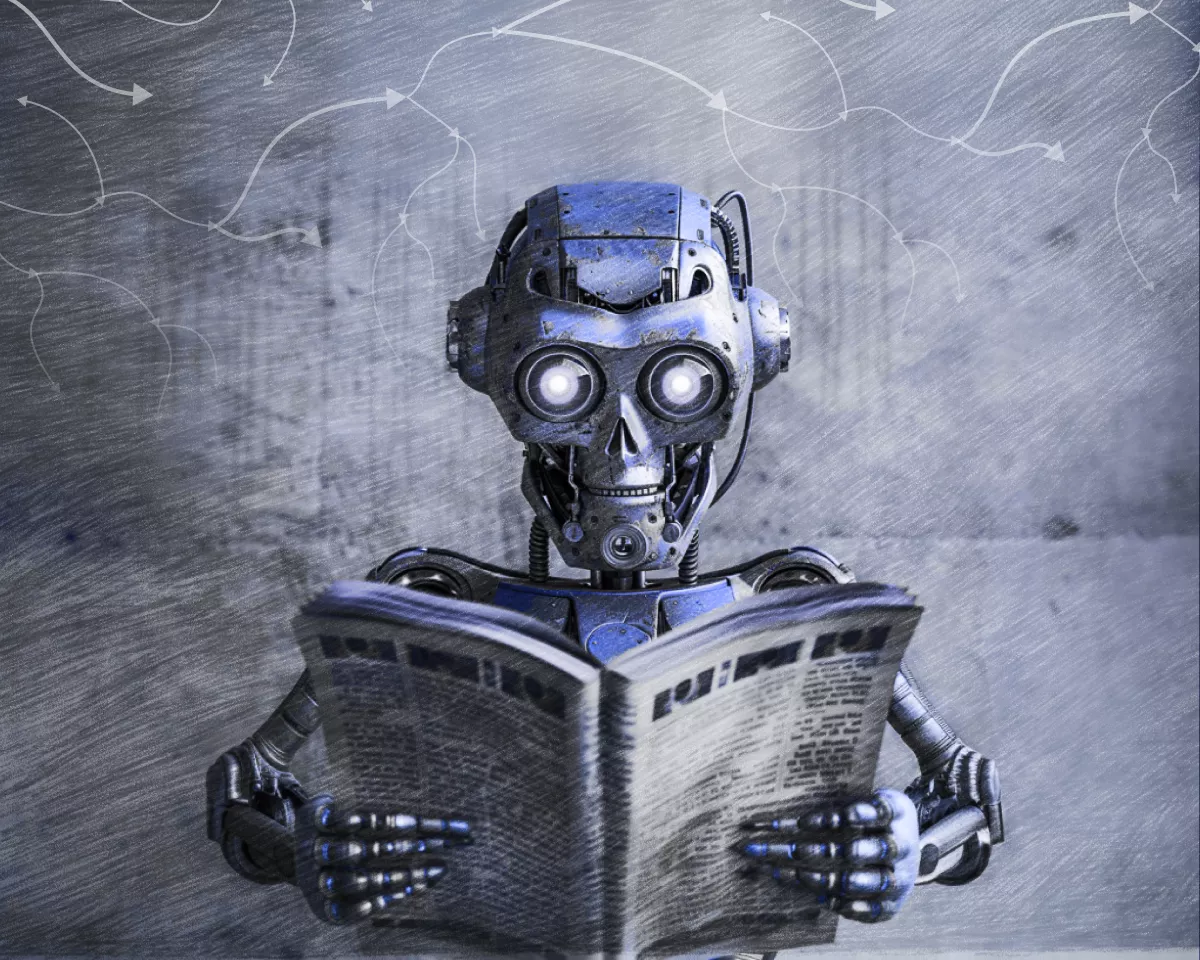
The British literary magazine Granta has made a radical decision: it is ceasing publication of works by winners of the prestigious Commonwealth Short Story Prize. The reason is a scandal that erupted over the possible use of generative artificial intelligence in one of the winning stories.
Granta's official position is unequivocal: the magazine is withdrawing from all "external publishing partnerships" where it does not have full editorial control. This is a direct signal to the market: trust in content that has passed through others' filters has been undermined.
The spark that ignited the fire is the story "The Serpent in the Grove" by Jameer Nazir, which won in the Caribbean region at the 2026 awards. Attentive readers and experts immediately noticed characteristic signs of neural network work in the text: unnatural language constructions, repetitive patterns, and strange rhythm.
Nazir himself defends his work: he writes exclusively on an Android smartphone, and due to chronic illnesses, he is forced to dictate the text by voice, only minimally editing it. However, for the professional community, this explanation sounds unconvincing — voice input does not generate typical AI patterns.
Publisher and philanthropist Sigrid Rausing, whose Sigrid Rausing Trust allocated £30,000 for the prize in 2014-2016, suggested that the judges might have fallen victim to a "case of AI plagiarism," although no final conclusions have been reached yet. Commonwealth Foundation CEO Razmi Farooq, on the other hand, insists: all shortlisted authors personally confirmed the absence of AI content, and the foundation has accepted these assurances.
The financial aspect is also telling: the overall winner receives £5,000, regional laureates receive £2,500 each. For the literary world, these are significant sums that are now cast under a shadow of doubt. Granta, however, is keeping the shortlisted stories on its website "in the public interest" — as a reminder of how thin the line is between human creativity and machine imitation.
This incident is not an isolated case. Earlier, the organizers of the Oscars film awards introduced a direct ban on AI-generated actors and scripts. It is evident that cultural institutions worldwide are beginning to build protective barriers against algorithmic content.
My professional opinion: This precedent is just the tip of the iceberg. In the next 12-18 months, we will see an avalanche of similar scandals, and the only reliable solution will be the implementation of mandatory cryptographic verification of text origin. Blockchain tags and digital authorship certificates — that is what will truly save the industry from the "gray zone" of AI plagiarism.