The literary magazine Granta terminates its partnership with the award due to an AI scandal: Cryptalist expert on the consequences
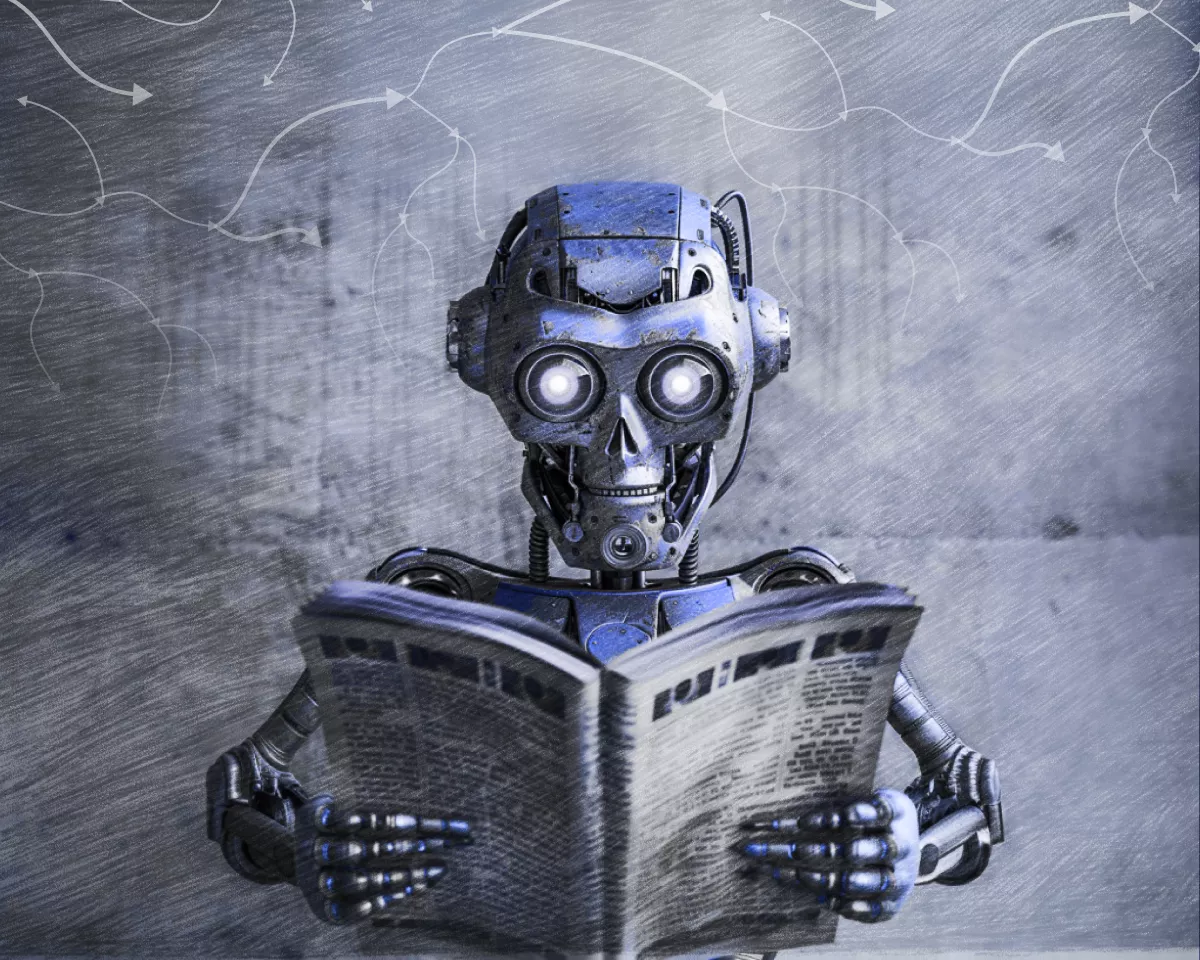
The British literary magazine Granta has decided to stop publishing stories by winners of the Commonwealth Short Story Prize. The reason was a heated dispute over the possible use of generative artificial intelligence in one of the competition entries.
Conflict over AI: What happened
Granta's official position is to withdraw from "external publishing partnerships" where the magazine does not have editorial control. The trigger was the selection of regional winners for the 2026 prize, which caused significant controversy. Suspicion fell on one or more stories that, according to some readers and experts, may have been partially generated by neural networks.
The authors, in turn, "firmly rejected" all accusations. Despite the termination of the partnership, Granta will keep the shortlisted stories on its website "in the public interest."
Details of the scandal and reactions
The main dispute centered around the text The Serpent in the Grove by Jameer Nazir, which won in the Caribbean region. Critics pointed to language structures and repetitive patterns characteristic of generative AI. Nazir himself explained that he writes exclusively on an Android smartphone and, due to chronic health issues, is forced to dictate the text, after which he makes minimal edits using the keyboard.
Publisher and philanthropist Sigrid Rausing suggested that judges may have awarded "a case of AI plagiarism," but emphasized that this "is not yet known." Commonwealth Foundation CEO Razmi Farook stated that all shortlisted authors personally confirmed the absence of AI-generated content, and after additional consultations, the foundation accepted their position.
Financial aspects and context
The overall winner of the Commonwealth Short Story Prize receives £5,000, while regional winners receive £2,500 each. According to the Sigrid Rausing Trust, the foundation allocated £30,000 for the prize in 2014-2016. Notably, the organizers of the Oscars film awards previously banned the use of AI-generated actors and scripts.
Cryptalist expert opinion: This incident is just the tip of the iceberg. We are witnessing a fundamental crisis of trust in creative content in the age of AI. The problem is not that authors use tools—this is inevitable—but the lack of transparent verification protocols. Literary prizes and publishers must urgently implement systems to check for AI generation, otherwise reputational risks will only grow. The market already demands clear rules of the game.