The literary magazine Granta terminates partnership due to AI dispute: details of the scandal
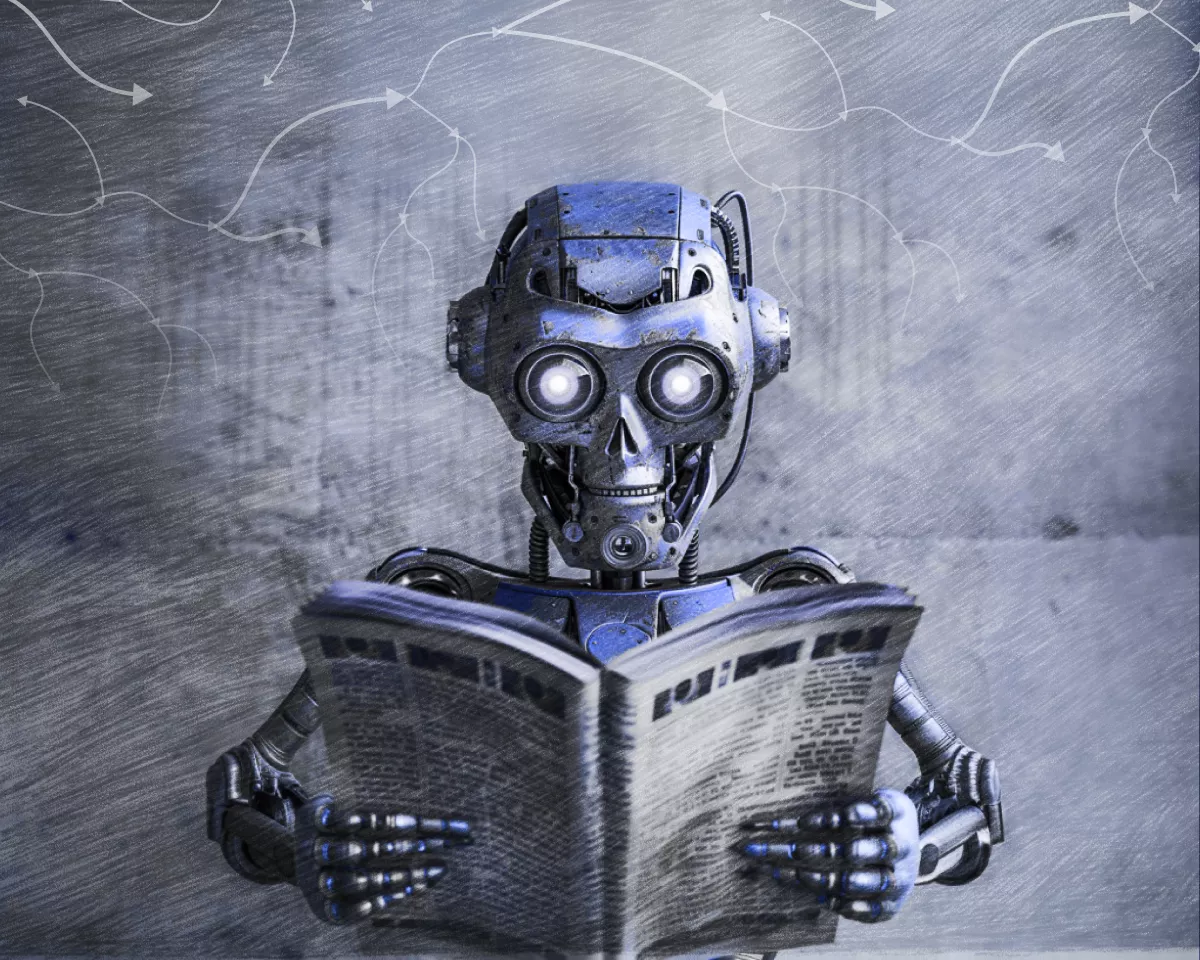
The British literary magazine Granta has decided to stop publishing stories by winners of the prestigious Commonwealth Short Story Prize. The reason is a high-profile scandal involving suspicions of using artificial intelligence in creating one of the competition entries. This decision highlights the growing tension in the literary world surrounding the adoption of generative models.
The magazine stated that it is withdrawing from any external publishing partnerships where it does not have full editorial control. The conflict erupted around the regional winners of the 2026 prize. Critics and part of the audience suspected that one or more stories could have been partially or fully generated by neural networks. The authors themselves categorically denied these accusations.
The main blow fell on the story The Serpent in the Grove — the winner in the Caribbean region, written by Jameer Nasir. Readers and experts noted in the text characteristic signs of AI work: repetitive linguistic structures and unnatural patterns. In his defense, Nasir stated that he writes exclusively on an Android smartphone, and due to chronic health issues, he often dictates the text, editing it only minimally.
Publisher and philanthropist Sigrid Rausing suggested that the jury might have unintentionally awarded a "case of AI plagiarism," but emphasized that it is too early to draw final conclusions. Commonwealth Foundation CEO Razmi Farook stated that all finalists personally confirmed the absence of AI content, and after additional checks, the foundation recognized their integrity.
The financial aspect is also noteworthy: the overall prize winner receives £5,000, and regional winners receive £2,500 each. The Sigrid Rausing Trust itself previously allocated £30,000 for these purposes in 2014-2016. Granta, however, will retain the shortlisted stories on its website "in the public interest," allowing readers to independently evaluate the controversial material.
Expert commentary: This incident is a clear marker that the literary community is entering an era where trust in authorship becomes a key resource. The problem is not that AI can write a text, but that we are losing tools for verification. Unlike the financial sector, where blockchain and cryptography already offer solutions for confirming authenticity, literature currently has no analogs of a "digital signature" for texts. Prizes and magazines will either have to implement strict technical checks or accept the growth in the number of such scandals.