Granta terminates partnership with literary prize amid AI scandal: a new twist in the cultural crisis
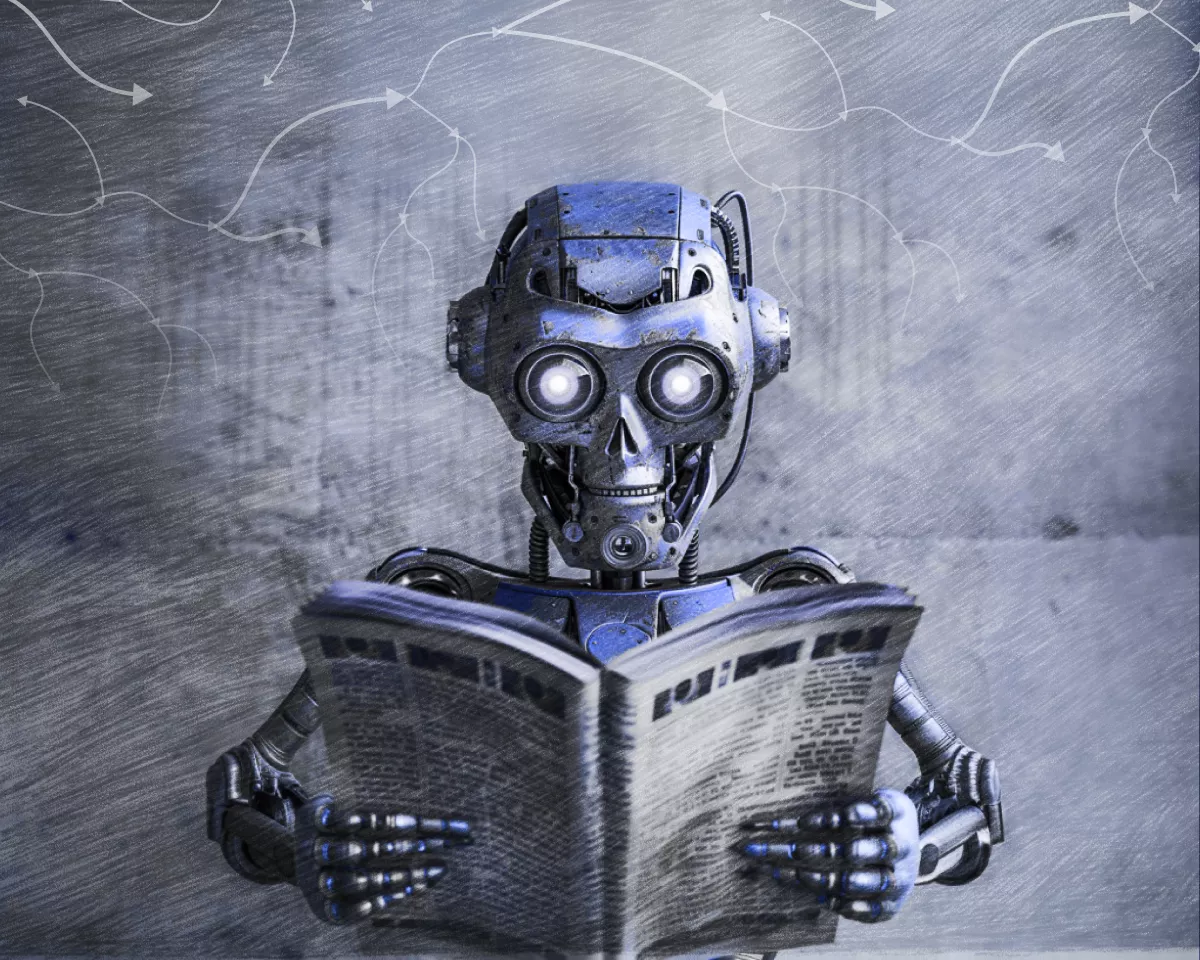
The British literary magazine Granta has decided to stop publishing stories by winners of the prestigious Commonwealth Short Story Prize. The reason is a growing controversy over the possible use of generative artificial intelligence in creating one of the competition entries. This decision highlights the rising tension in the cultural sphere, where AI is becoming not just a tool but a source of reputational risk.
Granta's official position is clear: the magazine will no longer participate in "external publishing partnerships" where it lacks editorial control. The trigger was the selection of regional winners for the 2026 prize. Serious suspicions arose around one or more works: experts and readers noticed signs of AI-generated text—characteristic linguistic structures, repetitive patterns, and unnatural phrasing. The authors, however, "firmly rejected" all accusations.
At the epicenter of the scandal is the story The Serpent in the Grove by Jameer Nazir, the winner in the Caribbean region. In response to criticism, Nazir explained that due to chronic health issues, he is forced to dictate text on an Android smartphone and then minimally edit it using a keyboard. This situation raises an important question: where is the line between using AI as a tool for people with disabilities and violating ethical norms?
Publisher and philanthropist Sigrid Rausing, whose foundation previously allocated £30,000 for the prize, acknowledged that judges may have encountered a "case of AI plagiarism" but emphasized that this "is not yet known." Meanwhile, Commonwealth Foundation CEO Razmi Farook stated that all shortlisted authors personally confirmed the absence of AI-generated content, and after additional checks, the foundation deemed them innocent.
The financial aspect is also significant: the overall prize winner receives £5,000, while regional winners get £2,500 each. This incident will undoubtedly have a long-term impact on trust in literary competitions. As with the recent ban on AI-generated actors and scripts at the Oscars, cultural institutions are beginning to erect strict barriers against technologies that challenge authorship and originality.
My analysis: This case is just the tip of the iceberg. We are witnessing how AI is disrupting traditional verification models in culture. The problem is not that authors use technology, but that the industry is not yet ready for transparent and fair rules of the game. By withdrawing from the partnership, Granta is sending a clear signal: editorial independence and trust are worth more than any grants. In the coming years, we will see a massive overhaul of rules across all creative industries—from literature to film.