Artificial intelligence destroyed a partnership: Granta withdraws from the Commonwealth Prize due to AI scandal
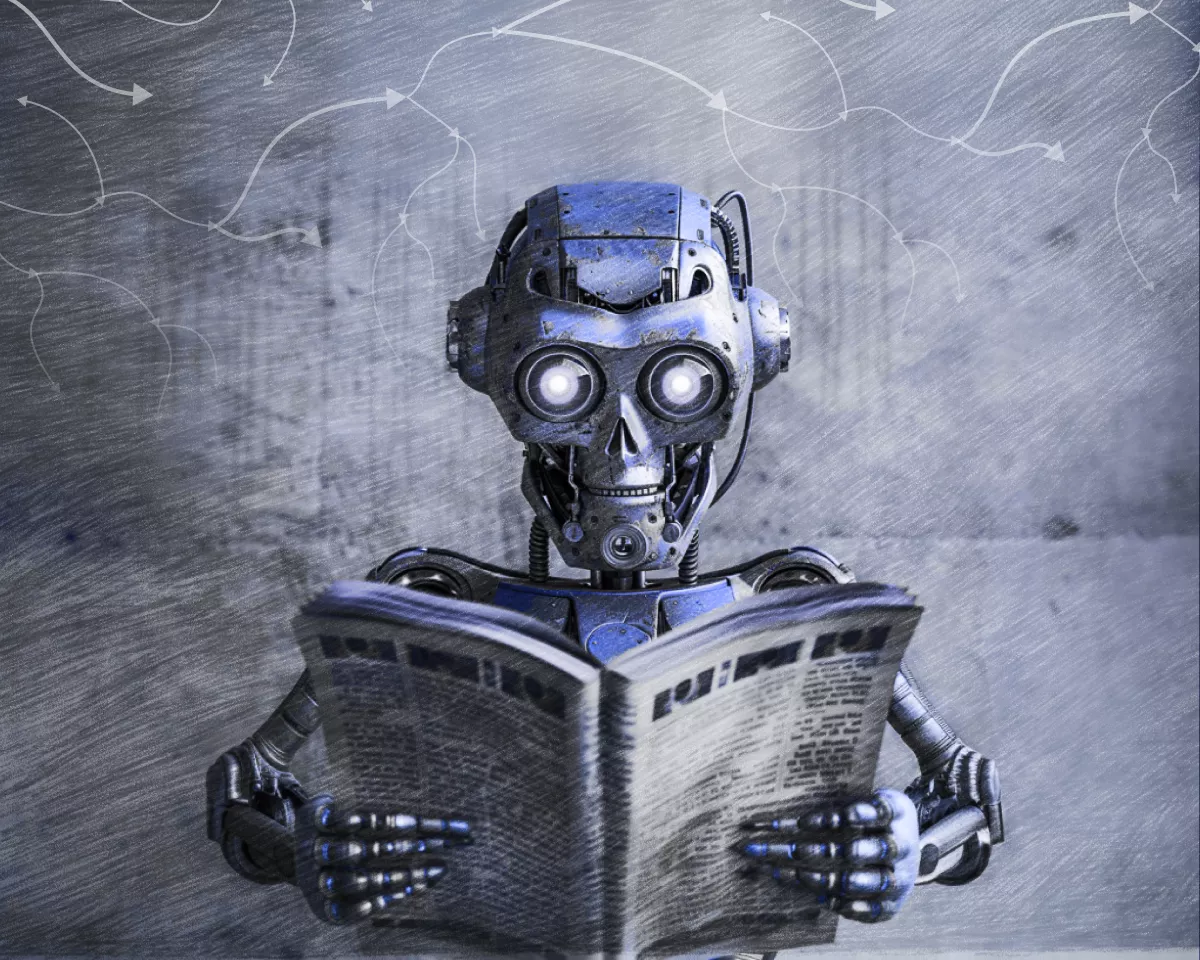
The British literary magazine Granta has decided to stop publishing stories by winners of the Commonwealth Short Story Prize. The reason is a conflict arising from suspicions of using generative artificial intelligence in writing one of the competition entries.
Granta's official position: the magazine no longer intends to participate in "external publishing partnerships" where it lacks editorial control. This decision is a direct response to an incident that has called into question the transparency and fairness of literary competitions in the age of AI.
Scandal surrounding the winner
The dispute erupted over the story The Serpent in the Grove by Jameer Nazir, which won in the Caribbean region. Critics and readers pointed to characteristic signs of generative AI: repetitive language structures and unnatural patterns. The author, however, categorically denied the accusations, explaining that due to chronic health issues, he dictates the text via voice on an Android smartphone and then only minimally edits it.
Publisher and philanthropist Sigrid Rausing suggested that judges might have encountered a "case of AI plagiarism," but emphasized that no final conclusion has been reached yet. Commonwealth Foundation CEO Razmi Farook stated that all shortlisted authors personally confirmed the absence of AI-generated content, and after additional consultations, the foundation acknowledged this statement.
Financial and reputational consequences
The Commonwealth Short Story Prize offers rewards: £5,000 for the overall winner and £2,500 for regional winners. Interestingly, the Sigrid Rausing Trust allocated £30,000 to the prize in 2014–2016, highlighting long-term support for this competition. However, the reputational damage from the scandal may now prove far greater than the financial investments.
Granta will keep the shortlisted stories on its website "in the public interest," indicating an attempt to separate artistic value from procedural disputes. But the partnership has been severed—and this is the first high-profile case where the literary world has reacted so harshly to the threat of AI.
My analysis: This incident is just the tip of the iceberg. In the coming years, we will see many similar conflicts as traditional institutions are forced to rethink their criteria and procedures. AI is not just changing the content creation process—it is questioning the very nature of authorship and originality. The industry must adapt, or trust in literary prizes will be permanently undermined.