The literary world has been shaken by an AI scandal: Granta ends partnership with prestigious award
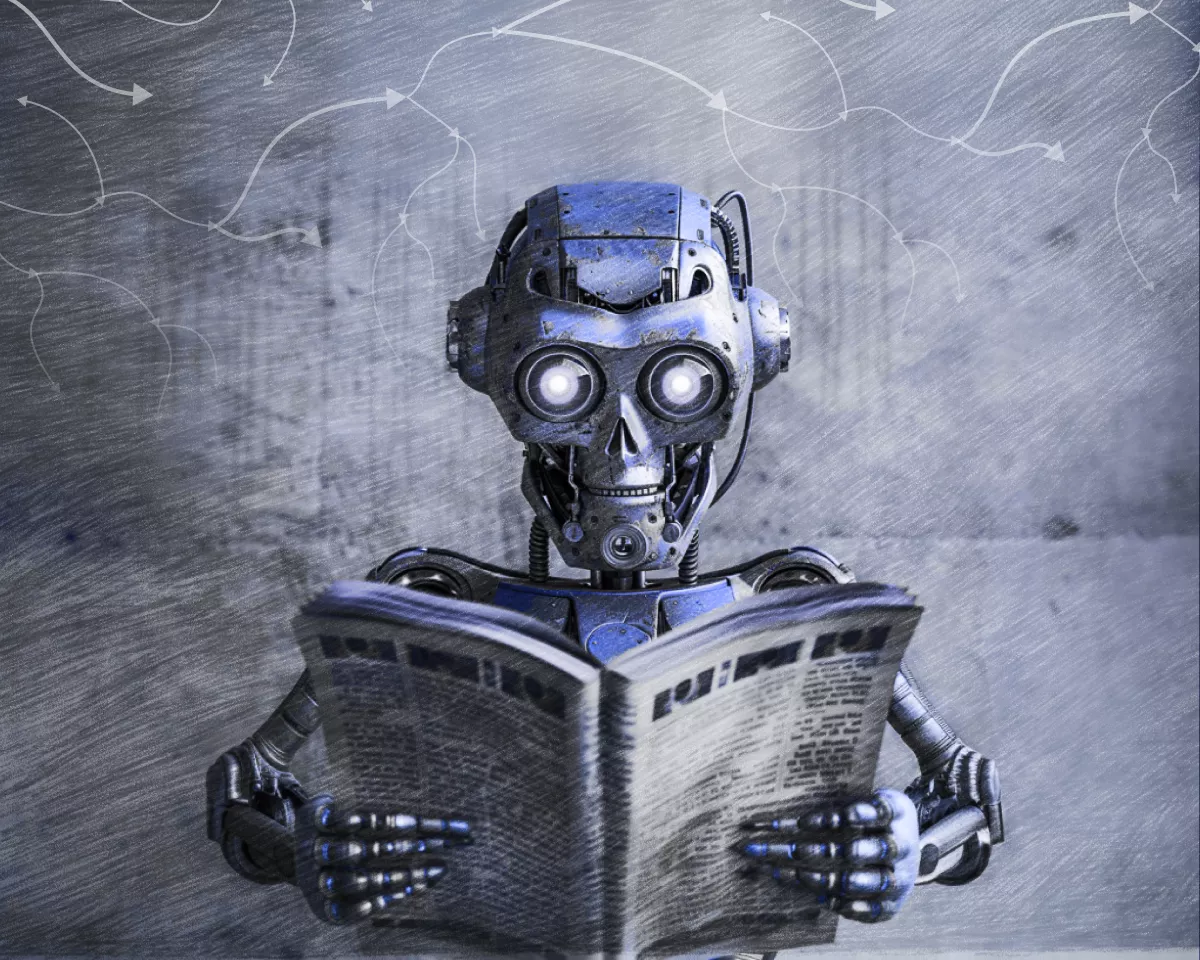
The British literary magazine Granta has decided to stop publishing stories by winners of the prestigious Commonwealth Short Story Prize. The reason is a scandal that erupted over suspicions of using artificial intelligence in creating one of the competition entries. This decision marks another stage in the heated debate about the impact of AI on creative industries.
The Core of the Conflict
In an official statement, Granta explained that it is withdrawing from "external publishing partnerships" where the magazine's editorial team lacks full control over content. The trigger was the selection of regional winners for the 2026 prize. At the center of the dispute is the story "The Serpent in the Grove" by Caribbean winner Jameer Nazir. Some readers and experts detected characteristic signs of generative AI in the text: repetitive linguistic structures and unnatural patterns.
Positions of the Parties
Nazir himself categorically denied the accusations. He explained that due to chronic health issues, he is forced to dictate text on an Android smartphone and then minimally edit it. The author emphasized that this is his personal creative method, not the use of AI.
Publisher and philanthropist Sigrid Rausing, whose foundation previously funded the prize, suggested that the jury might have unintentionally awarded a "case of AI plagiarism," but no final conclusions have been reached yet. In turn, Commonwealth Foundation CEO Razmi Farook stated that all shortlisted authors personally confirmed the absence of AI-generated content, and after additional checks, the foundation accepted their explanations.
Financial Aspect
For context, the overall winner of the Commonwealth Short Story Prize receives £5,000, while regional winners get £2,500 each. According to the Sigrid Rausing Trust, £30,000 was allocated to the prize between 2014 and 2016. However, Granta will keep the shortlisted stories on its website "in the public interest" for review.
My Analysis
This incident is a vivid illustration of how artificial intelligence challenges traditional mechanisms for evaluating creativity. Literary prizes and publishers face a difficult choice: either implement strict technical checks for AI or completely rethink the criteria for authorship. For now, we are witnessing a classic conflict of trust that will only intensify as generative models improve. In the absence of universal AI content detectors, such disputes will become the norm, not the exception.