AI Scandal in Literature: Granta Magazine Ends Partnership with Prestigious Prize
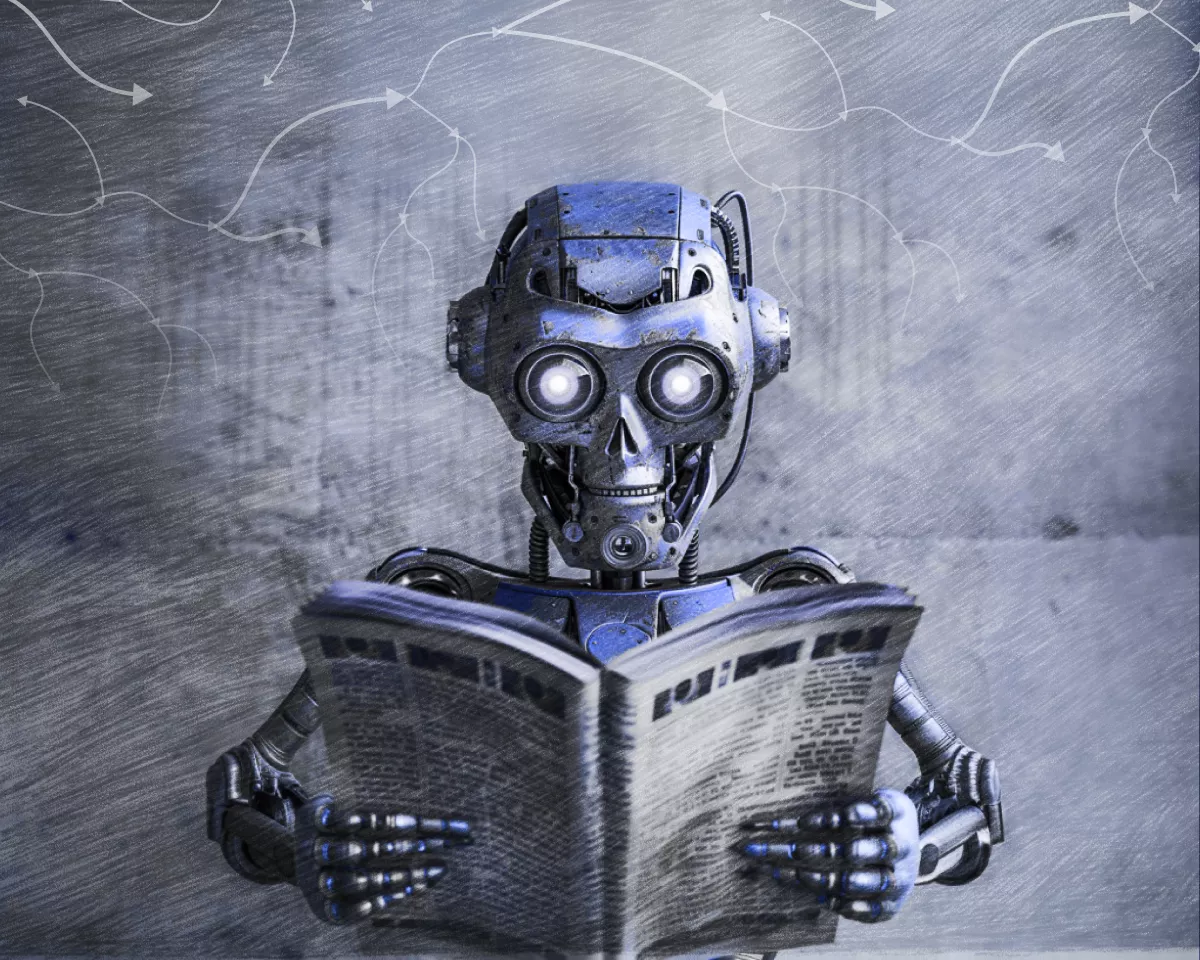
The British literary magazine Granta has decided to stop publishing stories by winners of the Commonwealth Short Story Prize after one of the finalists came under suspicion of using generative artificial intelligence. This event once again raises a heated debate about the boundaries of AI use in creative industries.
Granta's editorial board stated that it is withdrawing from "external publishing partnerships" where the magazine lacks editorial control. The reason was a scandal surrounding the selection of regional winners for the 2026 prize. Several stories raised suspicions that they may have been partially generated by AI. The authors, however, "strongly denied" all allegations, and the texts themselves will remain on the Granta website "in the public interest."
At the center of the dispute is the story The Serpent in the Grove by Jameer Nazir, who won in the Caribbean region. Some readers and experts found in the text linguistic constructions and repetitive patterns characteristic of generative models. Nazir himself explained that he works exclusively on an Android smartphone and, due to chronic health issues, dictates the text, which he then minimally edits.
Publisher and philanthropist Sigrid Rausing did not rule out that the judges may have encountered a "case of AI plagiarism," but emphasized that this "remains unknown." Commonwealth Foundation CEO Razmi Farooq, in turn, stated that all shortlisted authors personally confirmed the absence of AI-generated content, and after additional consultations, the foundation found them innocent.
The financial aspect is also noteworthy: the overall prize winner receives £5,000, while regional winners receive £2,500 each. According to the Sigrid Rausing Trust, the foundation allocated £30,000 for the prize in 2014–2016. The prize organizers did not respond to journalists' inquiries.
Expert commentary. This case is just the tip of the iceberg. The entertainment and culture industry has already faced similar challenges: recently, the Oscars banned AI-generated actors and scripts. For the crypto and blockchain community, this is a signal: AI tools are becoming so accessible that their use in creative work requires transparent verification mechanisms. Without clear standards, the market risks being overwhelmed by a wave of content whose origin cannot be verified.