Granta terminates partnership with literary prize over AI scandal: a crisis of trust in the creative industry
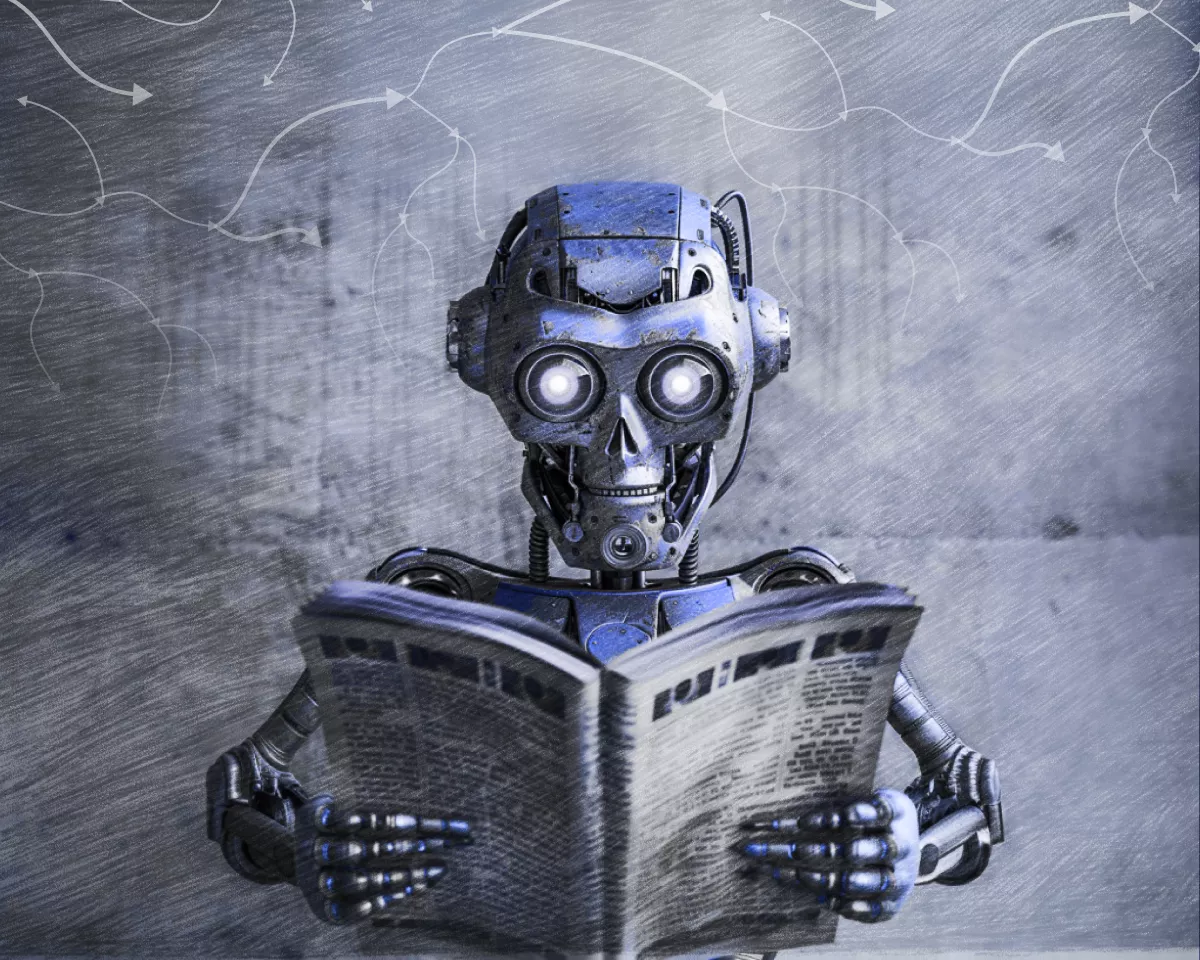
The British literary magazine Granta has officially stopped publishing stories by winners of the Commonwealth Short Story Prize. The decision was made after a heated dispute over the possible use of generative artificial intelligence in one of the competition entries. This event is not just a local conflict but a symptom of a systemic crisis of trust that is increasingly penetrating the creative industries.
Granta explained its move as a reluctance to participate in "external publishing partnerships" where the magazine lacks editorial control. The trigger was the selection of regional winners for the 2026 prize. Suspicion fell on one or more stories that, according to several experts, displayed characteristic signs of AI generation: repetitive language structures and unnatural patterns. The authors categorically denied the accusations, but the doubt lingered.
At the center of the scandal was the story "The Serpent in the Grove" by Jameer Nazir, the winner in the Caribbean region. Nazir himself stated that he works exclusively from an Android smartphone, dictating the text due to chronic health issues, and then minimally edits it. However, even this explanation did not dispel the doubts. Publisher and philanthropist Sigrid Rausing suggested that the judges might have awarded "a case of AI plagiarism," but emphasized that there is no final clarity.
Commonwealth Foundation CEO Razmi Farooq insists that all shortlisted authors personally confirmed the absence of AI content, and after additional checks, the foundation accepted their statements. Nevertheless, Granta will keep the shortlisted stories on its website "in the public interest"—a gesture that highlights uncertainty rather than resolves the conflict.
The financial aspect is also noteworthy: the overall prize winner receives £5,000, and regional winners get £2,500 each. The Sigrid Rausing Trust allocated £30,000 for the prize in 2014–2016. But money here is just the backdrop. The main issue is the erosion of verification mechanisms in an era when AI can mimic human creativity with alarming accuracy.
Let me remind you that earlier, the organizers of the Oscars banned the use of AI-generated actors and scripts. The trend is obvious: traditional institutions are forced to adapt to a new reality where the line between an original work and a product of an algorithm is becoming increasingly blurred. As an analyst, I see in this not only a challenge but also an opportunity: the industry must develop clear criteria for authenticity, otherwise trust in creative competitions will be completely undermined.