Granta terminates partnership with literary prize over AI scandal: cryptoanalysis of the incident
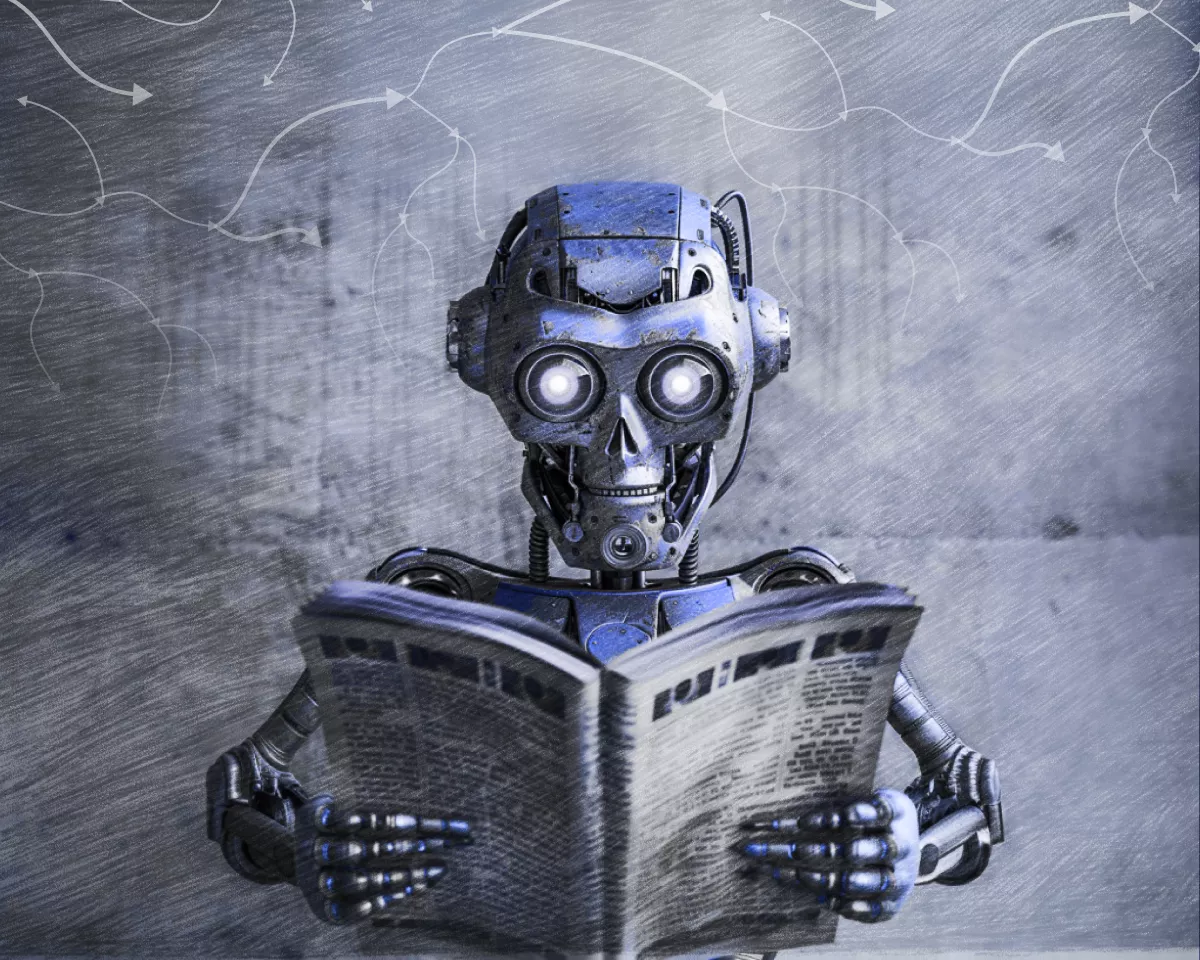
The British literary magazine Granta has decided to stop publishing stories by winners of the Commonwealth Short Story Prize. The reason is a heated dispute over the possible use of generative artificial intelligence in one of the texts submitted for the 2026 competition. This event has become a landmark for the entire industry, demonstrating how AI technologies are beginning to penetrate traditional creative fields, causing a crisis of trust.
Conflict over a "suspicious" story
At the center of the scandal is the story "The Serpent in the Grove" by Jameer Nazir, which won in the Caribbean region. A number of readers and experts noted that the text contains characteristic signs of generative AI: repetitive language structures and unnatural patterns. Nazir, for his part, categorically denied the accusations, explaining that he works exclusively on an Android smartphone and, due to chronic health problems, dictates the text and then minimally edits it.
Positions of the parties: withdrawal from control and financial trail
Granta stated that it will no longer participate in "external publishing partnerships" where the magazine does not have editorial control. At the same time, the magazine will keep the shortlisted stories on its website "in the public interest." Publisher and philanthropist Sigrid Rausing suggested that the judges might have awarded "a case of AI plagiarism," but emphasized that this has not yet been proven. Commonwealth Foundation CEO Razmi Farook reported that all authors on the shortlist personally confirmed the absence of AI-generated content, and after additional consultations, the foundation acknowledged this.
The financial side of the issue is also noteworthy: the overall prize winner receives £5,000, and regional laureates receive £2,500 each. According to the Sigrid Rausing Trust website, the foundation allocated £30,000 for the prize in 2014-2016. This underscores that even small sums can become a catalyst for serious reputational risks.
Expert conclusion
This incident is not just a literary scandal, but a clear signal for the entire content ecosystem. In the world of cryptocurrencies and blockchain, we are already accustomed to disputes over the authenticity of transactions. Now a similar problem arises in creativity. AI generation of texts, images, and code blurs the boundaries between original and fake, and industries from literature to finance will have to develop new verification mechanisms. Otherwise, trust in any results of human labor will be undermined — and this applies not only to prizes but also to any digital assets, including NFTs.