Granta terminates partnership with literary prize over AI scandal: text under suspicion
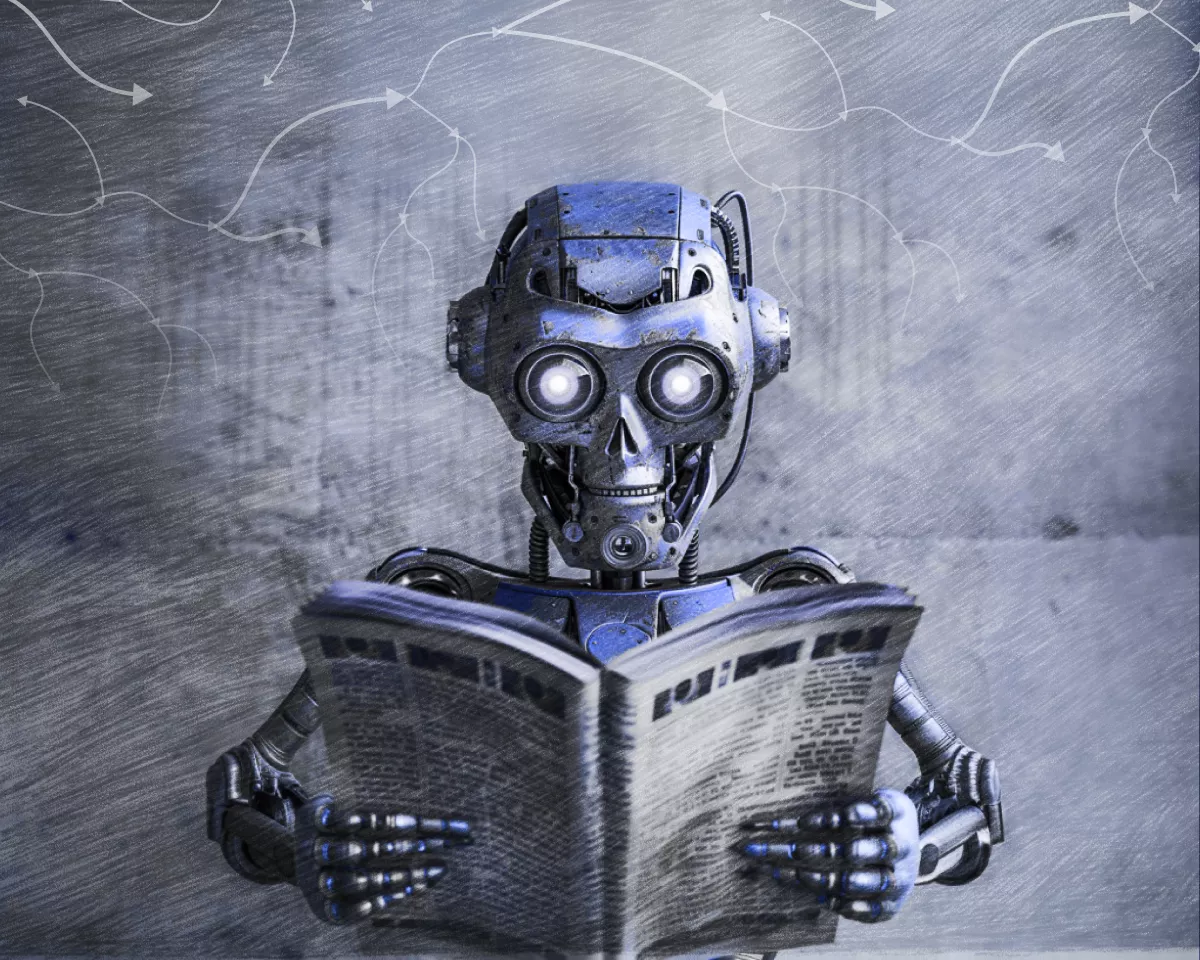
The British literary magazine Granta has decided to stop publishing stories by winners of the Commonwealth Short Story Prize. The reason is a heated dispute over the possible use of generative artificial intelligence in one of the award-winning texts.
In an official statement, Granta emphasized that it is withdrawing from "external publishing partnerships" where it does not have editorial control over the content. This decision is a direct consequence of the situation that arose during the selection of regional winners for the 2026 prize.
Dispute over "The Serpent in the Grove"
The epicenter of the scandal is the story The Serpent in the Grove by Jameer Nazir, named the best in the Caribbean region. Some readers and experts noted characteristic signs of generative AI: repetitive linguistic structures, unnatural patterns, and a specific text structure. The author categorically denied the accusations, stating that he works exclusively on an Android smartphone and, due to chronic health issues, dictates the text, only minimally editing it with the keyboard.
Publisher and philanthropist Sigrid Rausing, whose foundation previously funded the prize, suggested that judges might have encountered a "case of AI plagiarism," but stressed that there is no definitive evidence yet.
Organizers' response and consequences
Commonwealth Foundation CEO Razmi Farook stated that all shortlisted authors personally confirmed the absence of AI-generated content. After additional consultations, the foundation deemed these assurances sufficient. Granta, for its part, left the disputed stories on its website "in the public interest."
For context, the overall winner of the Commonwealth Short Story Prize receives £5,000, and regional winners receive £2,500 each. The Sigrid Rausing Trust allocated £30,000 for the prize in 2014–2016.
This incident is just the tip of the iceberg. Earlier, the organizers of the Oscars film awards already banned the use of AI-generated actors and scripts. It is clear that the literary world, like the film industry, faces a fundamental challenge: how to distinguish human creativity from machine imitation. And until clear criteria are established, such scandals will continue to recur.
My analysis: The situation with Granta demonstrates how fragile the boundary between original art and AI-generated products has become. In the coming years, we will see stricter rules in literary prizes—from mandatory declarations about AI use to the implementation of detection algorithms. The content market is entering an era of "digital authentication," and this is inevitable.