AI Scandal in Literature: Granta Magazine Ends Partnership with Prestigious Prize
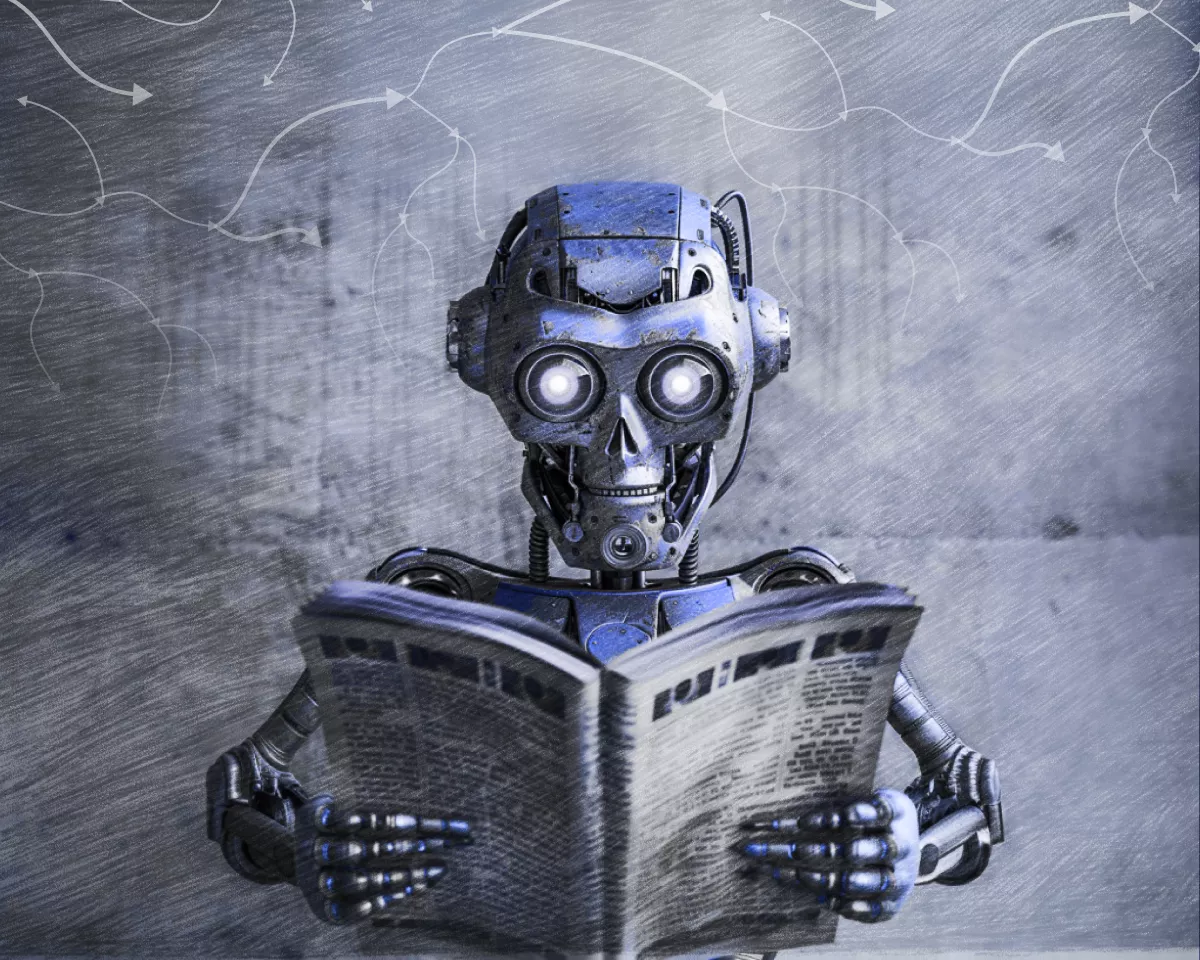
A major scandal involving suspicions of artificial intelligence use has led to the severance of a long-standing partnership between the British literary magazine Granta and the prestigious Commonwealth Short Story Prize. This event has become yet another alarming signal for the entire industry, demonstrating how AI is beginning to blur the boundaries between human creativity and machine generation.
Granta decided to stop publishing the prize winners' stories, arguing that the magazine no longer intends to participate in "external publishing partnerships" where it lacks full editorial control. The trigger was the selection of the 2026 regional winners, which sparked a heated reaction due to accusations that one or more texts may have been partially created by neural networks. The authors, however, categorically denied all suspicions.
At the center of the controversy was the story "The Serpent in the Grove" by Jameer Nazir, the winner in the Caribbean region. Readers and experts pointed to characteristic signs of generative AI: repetitive linguistic structures and unnatural patterns. Nazir himself explained that he writes exclusively on an Android smartphone, using voice input due to chronic health issues, and only minimally edits the text. Publisher and philanthropist Sigrid Rausing suggested that the jury might have awarded "a case of AI plagiarism," but emphasized that a final verdict has not yet been reached.
Commonwealth Foundation CEO Razmi Farook stated that all shortlisted authors personally confirmed the absence of AI-generated content, and after additional checks, the foundation deemed their statements credible. Nevertheless, Granta will keep the shortlisted stories on its website—in the "public interest."
Financial Aspect and Systemic Risks
The overall winner of the prize receives £5,000, while regional winners get £2,500 each. Notably, the Sigrid Rausing Trust, linked to the publisher, allocated £30,000 for the prize in 2014-2016. This conflict clearly shows that even without direct evidence, reputational risks for brands and publishers become catastrophic. If previously AI only threatened visual content and music, it is now undermining trust in the very essence of literary creativity.
Expert Commentary: This incident is just the tip of the iceberg. We are witnessing traditional institutions, lacking clear verification protocols, being forced to take radical measures to protect their reputation. In the coming years, we can expect either total digital content authentication or a complete overhaul of the criteria for evaluating creativity. The market has already reacted: demand for AI detection tools in texts is set to skyrocket.