AI scandal in literature: Granta magazine ends partnership with prestigious prize
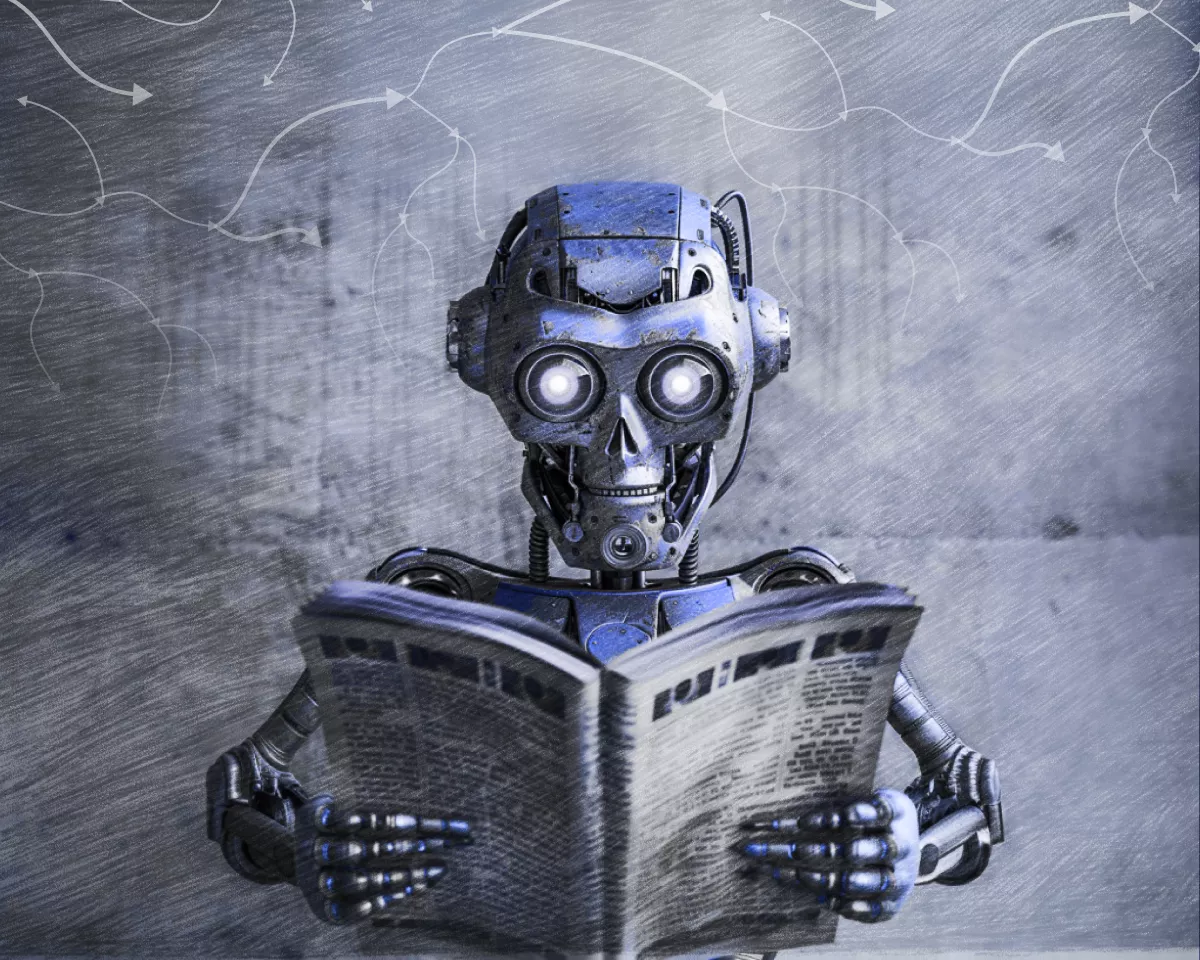
A major scandal surrounding the potential use of artificial intelligence in literary creation has led to the severing of long-standing ties. The British literary magazine Granta has officially announced it will cease publishing stories by winners of the Commonwealth Short Story Prize. The reason is a dispute over whether one of the shortlisted texts was created using generative neural networks.
Granta emphasized that it no longer intends to participate in "external publishing partnerships" where it cannot exercise full editorial control. This step is a direct consequence of the incident involving the selection of regional winners for the 2026 prize. Suspicion fell on the story "The Serpent in the Grove" by Jameer Nazir, the winner in the Caribbean region. Critics and readers noted in the text language patterns characteristic of AI, repetitive structures, and unnatural sentence construction.
Nazir himself categorically denied the accusations. In his comment, he explained that due to chronic health issues, he is forced to dictate text into an Android smartphone and then minimally edit it. The author insists on the complete originality of the work. Nevertheless, publisher and philanthropist Sigrid Rausing, whose foundation previously sponsored the prize, suggested that judges might have encountered a "case of AI plagiarism," although she acknowledged that definitive evidence is still lacking.
Commonwealth Foundation CEO Razmi Farooq stated that all shortlisted authors personally confirmed they had not used AI in any way. After additional consultations, the foundation accepted these assurances. However, Granta, while keeping the disputed stories on its website "in the public interest," chose to distance itself from the prize.
For context, the winner of the Commonwealth Short Story Prize receives £5,000, and regional winners receive £2,500 each. The Sigrid Rausing Trust allocated £30,000 for these purposes in 2014-2016. The incident echoes the recent ban on the use of AI actors and scripts at the Oscars.
Analyst's comment: This case is just the tip of the iceberg. The literary industry, like cinema, faces a fundamental challenge: how to separate human creativity from machine generation when neural networks have already learned to imitate style and emotions? The termination of the partnership is not just an emotional reaction but a first signal that the reputational risks for publishers associated with AI are becoming unacceptably high. Without the implementation of clear verification protocols and "watermarks" for texts, such scandals will only multiply.