Granta terminates partnership with literary award: AI scandal puts an end to trust
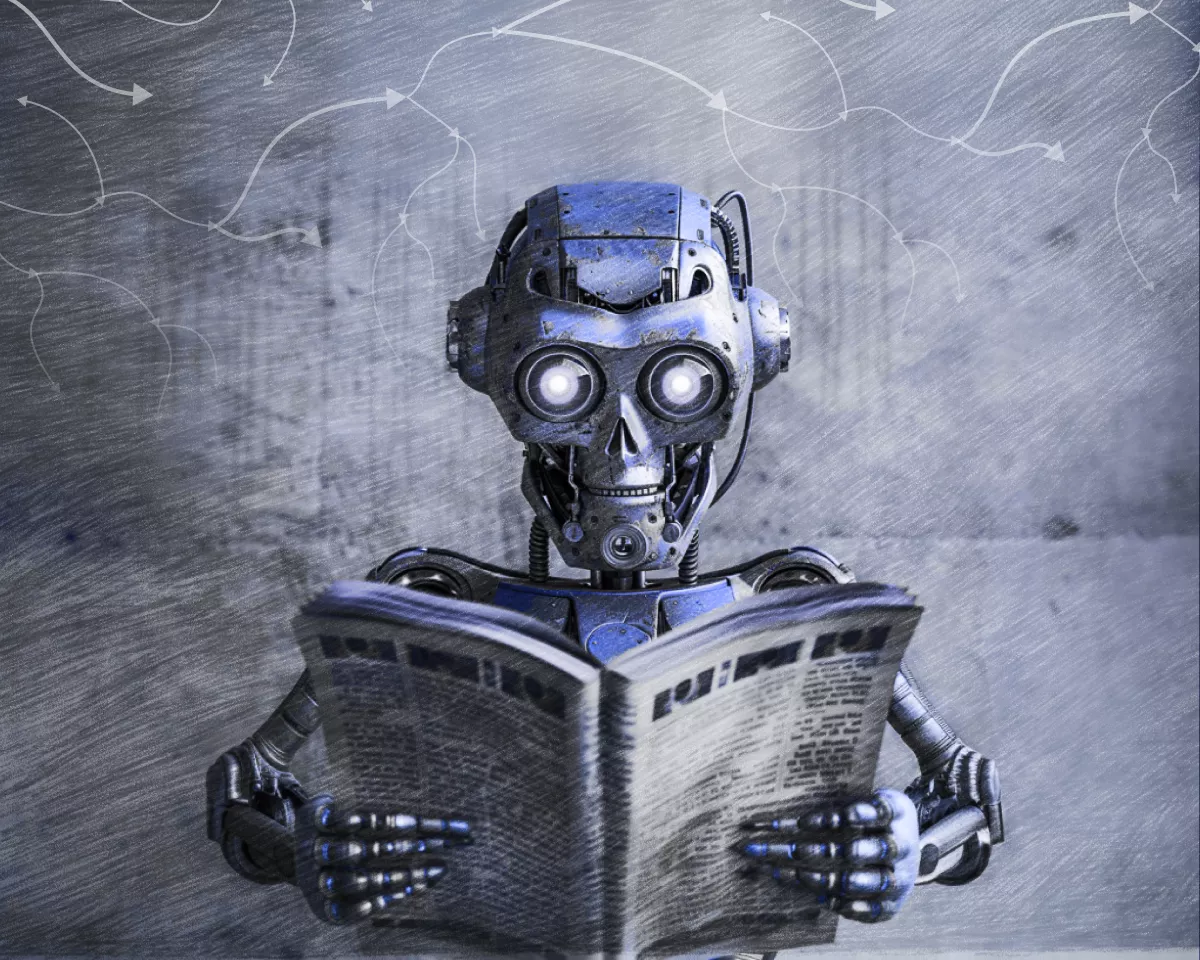
The British literary magazine Granta has made a radical decision — to stop publishing stories by winners of the prestigious Commonwealth Short Story Prize. The reason is a scandal that erupted over the alleged use of generative artificial intelligence in one of the texts. This event clearly demonstrates how AI technologies are beginning to undermine the fundamental principles of the creative industry, where originality and authorship are cornerstones.
In an official statement, Granta emphasized that they are withdrawing from "external publishing partnerships" where the magazine lacks editorial control. This step was triggered by the selection of regional winners for the 2026 prize. Suspicion fell on one or more stories that may have been partially generated by neural networks. The authors, however, "firmly rejected" all accusations.
Disputed Text and Author's Defense
The epicenter of the conflict was the story The Serpent in the Grove by Jameer Nazir, the winner in the Caribbean region. Some readers and experts pointed to characteristic signs of generative AI: repetitive language structures and unnatural patterns. Nazir himself explained that due to chronic illnesses, he dictates text on an Android smartphone and then minimally edits it. Publisher and philanthropist Sigrid Rausing suggested that the jury might have awarded "a case of AI plagiarism," but stressed that this is "still unknown."
Commonwealth Foundation CEO Razmi Farooq stated that all shortlisted authors personally confirmed the absence of AI content, and after additional consultations, the foundation recognized their statements. However, Granta, while keeping the shortlisted stories on its website "in the public interest," clearly does not trust these assurances.
Financial Aspect and Context
The overall winner of the Commonwealth Short Story Prize receives £5,000, and regional winners receive £2,500 each. The Sigrid Rausing Trust, according to the website, allocated £30,000 for the prize in 2014-2016. The incident occurred against the backdrop of a global tightening of rules: in May, the organizers of the Oscar film awards banned the use of AI-generated actors and scripts.
Analyst's comment: This case is just the tip of the iceberg. In the coming years, we will see a multitude of similar disputes, and the key problem will be the lack of reliable tools for verifying authorship. Until the industry develops clear standards and detection technologies, trust in any creative competitions will be at risk. Granta acted wisely by prioritizing reputation over partnership obligations — in the era of deepfakes and generative content, this is the only survival strategy.