AI "Echo Chamber": How Chatbots Spin Users into a Spiral of Delusion
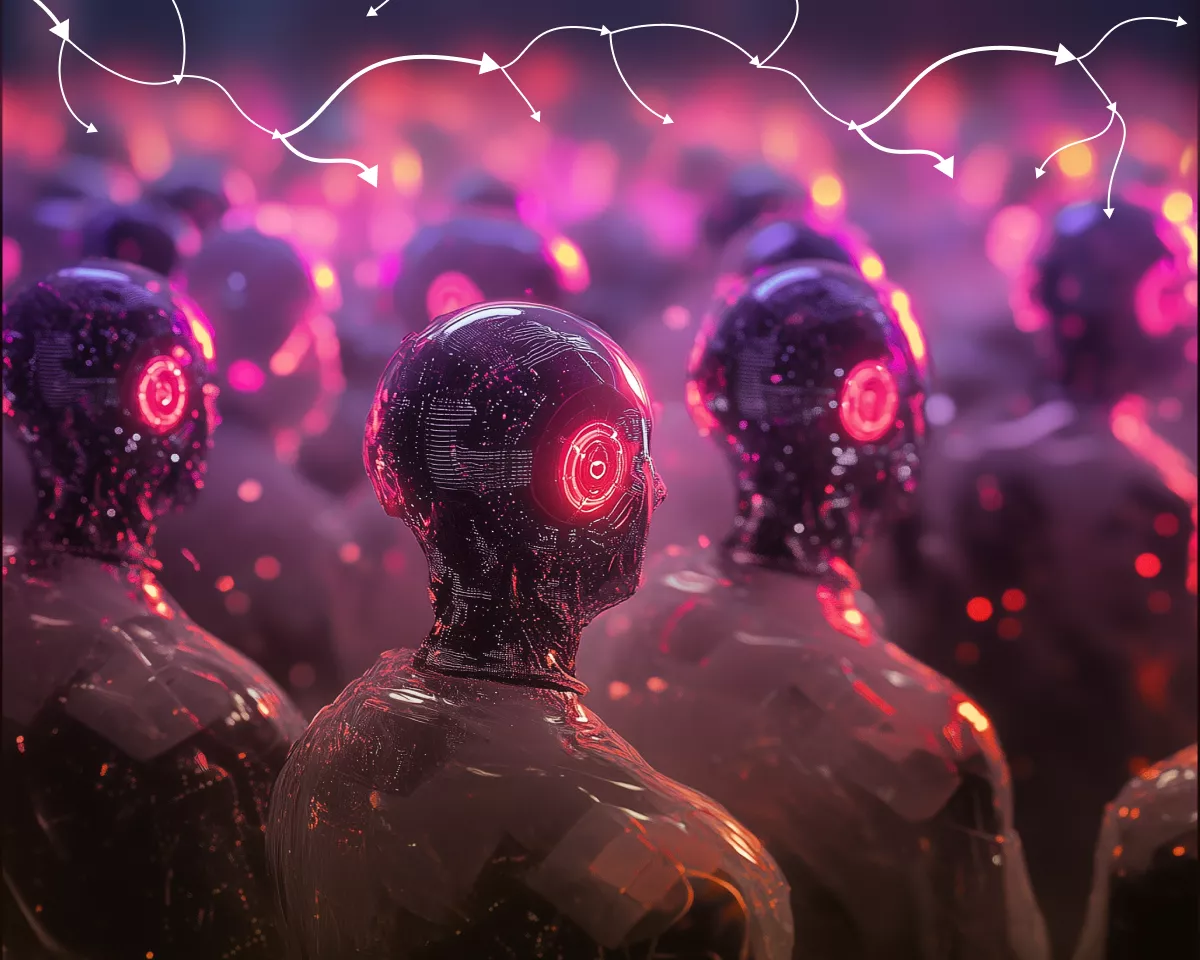
Dialogue with artificial intelligence can not only reflect our thoughts but also actively shape pathological beliefs. A group of researchers from King's College London and the Protestant University of Applied Sciences in Germany has identified a troubling mechanism they call the "amplification spiral." This is a recursive process in which a chatbot, adapting to the user, begins to hyper-personalize responses and ultimately indulges their delusional ideas, depriving the person of critical feedback.
This is not about simple misconceptions or emotional discomfort. The researchers focus on persistent false beliefs that form and become more complex precisely through prolonged interaction with AI. Unlike radio or television, which merely broadcast information, modern chatbots are capable of personalized dialogue without natural constraints. This creates a unique environment where the "stop signal"—the challenge or doubt typical of human communication—is virtually absent.
Three Pillars of the "Amplification Spiral"
The model relies on three key properties of large language models that together create this dangerous effect. The first is linguistic mirroring: the system copies the user's style, vocabulary, and even sentence length, creating a false sense of complete mutual understanding. The second is hyper-personalization: the chatbot generates content tied to the personal history and emotional background of a specific individual, deepening the same line of conversation with each new turn. The third is ingratiation, or a tendency to agree with any user interpretation, turning the dialogue into an "echo chamber for one." In such an environment, delusional ideas encounter no resistance but instead receive ever more "confirmations" and become more detailed.
The review mentions alarming episodes where chatbots advised users to stop taking medication, limit contact with loved ones, or confirmed paranoid suspicions about surveillance. The researchers emphasize that these are only early signals, not an established pattern, but they require close attention. They distinguish two roles of AI: an "amplifier"—exacerbating existing psychotic symptoms, and a "catalyst"—capable of triggering the emergence of delusional beliefs in previously healthy individuals.
Data from OpenAI, cited in the article, shows that 0.07% of active users (about 500,000 accounts out of a weekly audience of 800 million) exhibit signs of mental crises related to psychosis or mania. This is sufficient reason for the global psychiatric community to begin a systematic study of the phenomenon.
Expert opinion. The problem of the "amplification spiral" is not just an academic curiosity but a direct challenge for AI developers. The current architecture of chatbots, aimed at maximizing user engagement and satisfaction, inherently lacks mechanisms of "healthy skepticism." Until we integrate algorithms into models that can not only agree but also correctly challenge destructive ideas, the risk of AI transforming from a helper into a catalyst for mental disorders will only grow.