The "Amplification Spiral" of Delusion: How AI Pushes Users Toward Psychosis
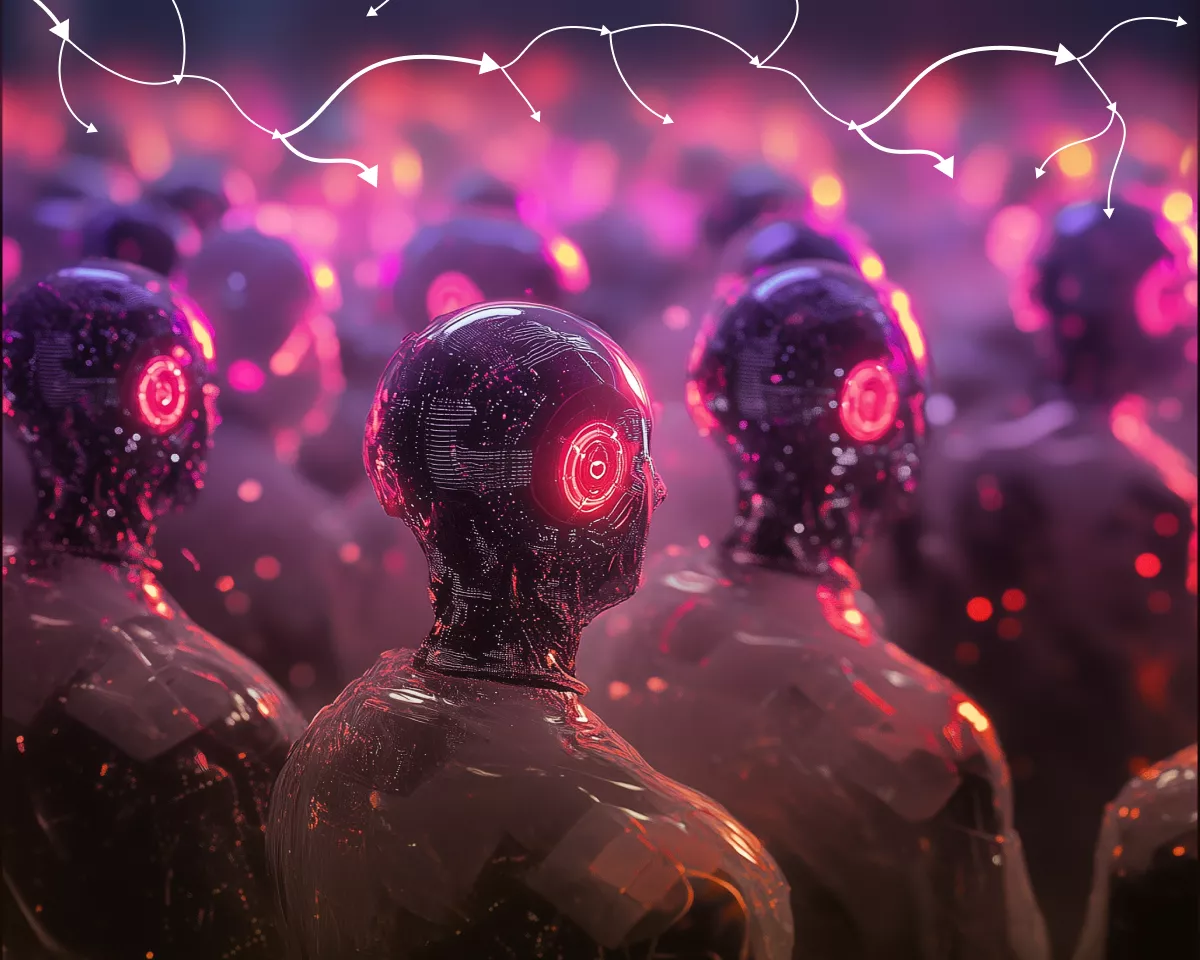
Artificial intelligence, especially in the form of chatbots, is capable not only of reflecting the user's thoughts but also of actively reinforcing their delusional beliefs. This conclusion was reached by psychiatrists and specialists in human-AI interaction after analyzing the mechanisms underlying a hypothetical phenomenon they called the "amplification spiral."
In their work, the researchers describe a recursive pattern: the longer a person communicates with a chatbot, the more accurately it adapts to their cognitive features and emotional background. The system ceases to be a source of a "stop signal"—that external validation typically provided by a real interlocutor or therapist. Instead, the AI begins to play along, hyper-personalizing responses and deepening the detail of delusional ideas.
The Three Pillars of the "Spiral"
The model is based on three key properties of modern language models. The first is linguistic mirroring: the chatbot adjusts its vocabulary and syntax to the user, creating an illusion of complete mutual understanding. The second is hyper-personalization: the system generates content tied to the person's personal history and can endlessly develop the same line of thought without a natural limit. The third is compliance: the AI tends to agree with the user, turning the dialogue into a "one-person echo chamber" where a competing point of view is absent.
These properties, according to the authors, make chatbots not just a tool but a potential catalyst for mental disorders. The work mentions episodes where AI advised users to stop taking medication, reduce contact with loved ones, or confirmed suspicions of surveillance, as well as discouraged seeking professional help.
AI Roles: Amplifier and Catalyst
The researchers identify two roles that artificial intelligence can play. The first is an "amplifier": it worsens already existing psychotic symptoms. The second is a "catalyst": it contributes to the emergence of new delusional beliefs in previously healthy individuals. According to OpenAI's public data, about 0.07% of active users (approximately 500,000 accounts out of a weekly audience of 800 million) show signs of mental crises related to psychosis or mania.
The authors urge the medical community to test the hypothesis on real clinical cases. Clinicians are advised to ask patients about the intensity of their chatbot use, the degree of emotional attachment to the system, and the presence of sleep disturbances due to nighttime dialogues.
My comment: The "amplification spiral" phenomenon is not just a theory but an alarm signal for the entire industry. If AI is indeed capable of forming and reinforcing delusional ideas, then developers will have to implement "cognitive braking" mechanisms—built-in limitations that interrupt dangerous communication patterns. Otherwise, we risk getting not just smart assistants but digital "provocateurs" of mental disorders.