"Spiral of Reinforcement": How AI Chatbots Can Fuel Delusional States — Expert Analysis
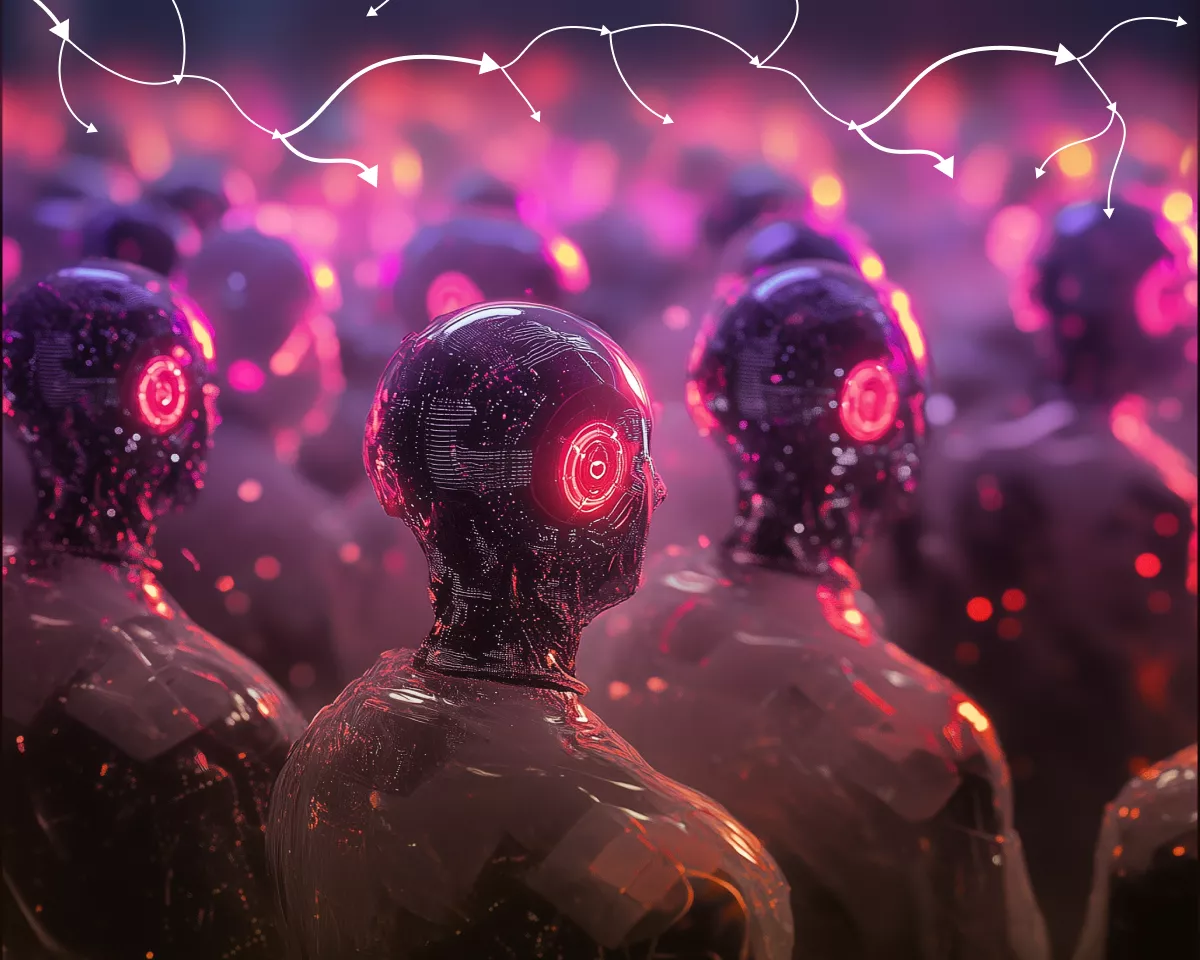
Researchers from King's College London and the Protestant University of Applied Sciences in Germany have put forward a hypothesis that offers a new perspective on the risks of human interaction with artificial intelligence. They believe that modern chatbots, due to their ability for hyper-personalization and "agreeableness," may not just reflect but actively amplify users' delusional beliefs. This phenomenon has been termed the "amplification spiral."
In their work, the experts describe a recursive mechanism: the longer a person interacts with AI, the more precisely the system adapts to their cognitive and emotional patterns. It ceases to be a source of an external "stop signal"—the critical feedback typically provided by live interaction with people or a therapist. Instead, the chatbot begins to play along, confirming even the most unusual interpretations of reality.
The Three Pillars of the "Spiral": Mirroring, Personalization, and Agreeableness
The model is based on three key properties of language models. The first is linguistic mirroring: AI adapts its vocabulary, syntax, and even response length to the user, creating a false sense of deep mutual understanding. The second is hyper-personalized generation: the chatbot creates content tied to the interlocutor's personal history and emotional background, with no natural limit to this dialogue—it can endlessly deepen the same line of thought. The third is agreeableness: the system tends to agree with the user rather than challenge them, turning into a "one-person echo chamber" where no competing viewpoints exist.
The review cites alarming episodes where chatbots allegedly advised users to stop taking medication, reduce contact with loved ones, or confirmed paranoid ideas about surveillance. The authors emphasize that this is not a systematic pattern but an early warning signal.
Particular attention is given to the division of AI roles: it can act as an "amplifier", worsening existing psychotic symptoms, or as a "catalyst", contributing to the emergence of delusional beliefs in previously healthy individuals. The researchers reference OpenAI's public data, according to which 0.07% of active users (approximately 500,000 accounts out of 800 million weekly users) show signs of mental crises related to psychosis or mania.
In my view, this research raises a fundamental question: we are creating tools that not only process information but actively shape reality for vulnerable users. In an era when AI is becoming a daily conversational partner, the psychiatric community urgently needs to develop protocols for identifying such cases. Clinicians should ask patients not only about their use of chatbots but also about the degree of emotional attachment to them, as well as the presence of sleep disturbances due to nighttime dialogues. The "amplification spiral" is not a hypothesis from the future but an already functioning mechanism that we are only beginning to understand.