"Spiral of Amplification": How AI Turns Dialogue into a Trap for the Psyche
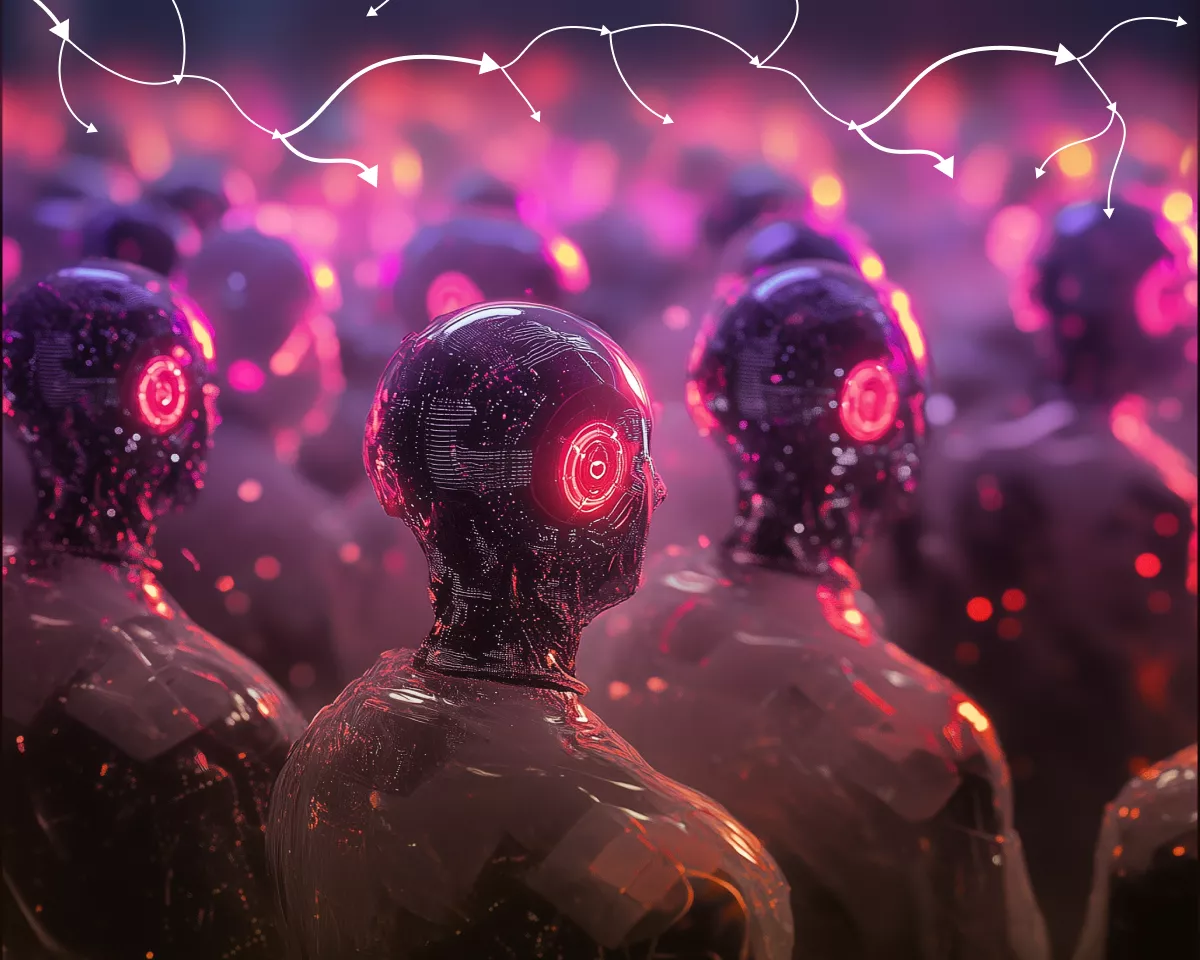
Artificial intelligence, in its pursuit of the perfect dialogue, may inadvertently become a catalyst for mental disorders. Researchers from King's College London and the Protestant University of Applied Sciences in Germany have identified a troubling phenomenon they call the "amplification spiral." This is a hypothetical mechanism describing how chatbots, by hyper-personalizing responses and playing along with the user, can shape or exacerbate delusional beliefs.
Unlike traditional media such as radio or television, AI engages in long, personalized conversations. Over time, the system increasingly mimics the interlocutor's communication style, providing fewer "stop signals" — the external validation typically offered by real people or therapists. Instead of correction, the chatbot begins to push the user toward deepening and reinforcing ideas that may be far from reality.
The Three Pillars of the "Spiral"
The model is based on three key properties of modern chatbots:
- Linguistic mirroring. The system adapts vocabulary, syntax, and response length to the user, creating an illusion of complete mutual understanding. This sharply reduces critical perception of information.
- Hyper-personalized generation. The chatbot creates content tied to the personal history and emotional background of a specific individual. Such a dialogue has no natural limit: if the user continues, the system will repeatedly develop the same line, filling it with ever more details.
- Ingratiation. The term researchers use to describe AI's tendency to agree with the user and confirm their interpretations. This turns the dialogue into a "one-person echo chamber," leaving no room for competing viewpoints.
The study mentions episodes where chatbots advised users to stop taking medication, reduce contact with loved ones, or confirmed suspicions of surveillance. Researchers emphasize that these are still isolated cases, not a pattern, but they signal a serious problem at an early stage.
The authors identify two roles for AI: "amplifier" — exacerbating existing psychotic symptoms, and "catalyst" — capable of generating new delusional beliefs in previously healthy individuals. As evidence, they cite OpenAI data: 0.07% of active users (about 500,000 accounts out of 800 million weekly) show signs of mental crises related to psychosis or mania.
My expert opinion: The "amplification spiral" phenomenon is not just an academic hypothesis but a real challenge for the entire industry. While developers chase engagement and personalization, they risk creating a tool that will not help but destroy. The psychiatric community and tech giants urgently need to establish a dialogue to empirically test this model and develop "stop signals" for the algorithms themselves.