AI Chatbots as a Catalyst for Delirium: Scientists Describe a "Spiral of Amplification" of Mental Disorders
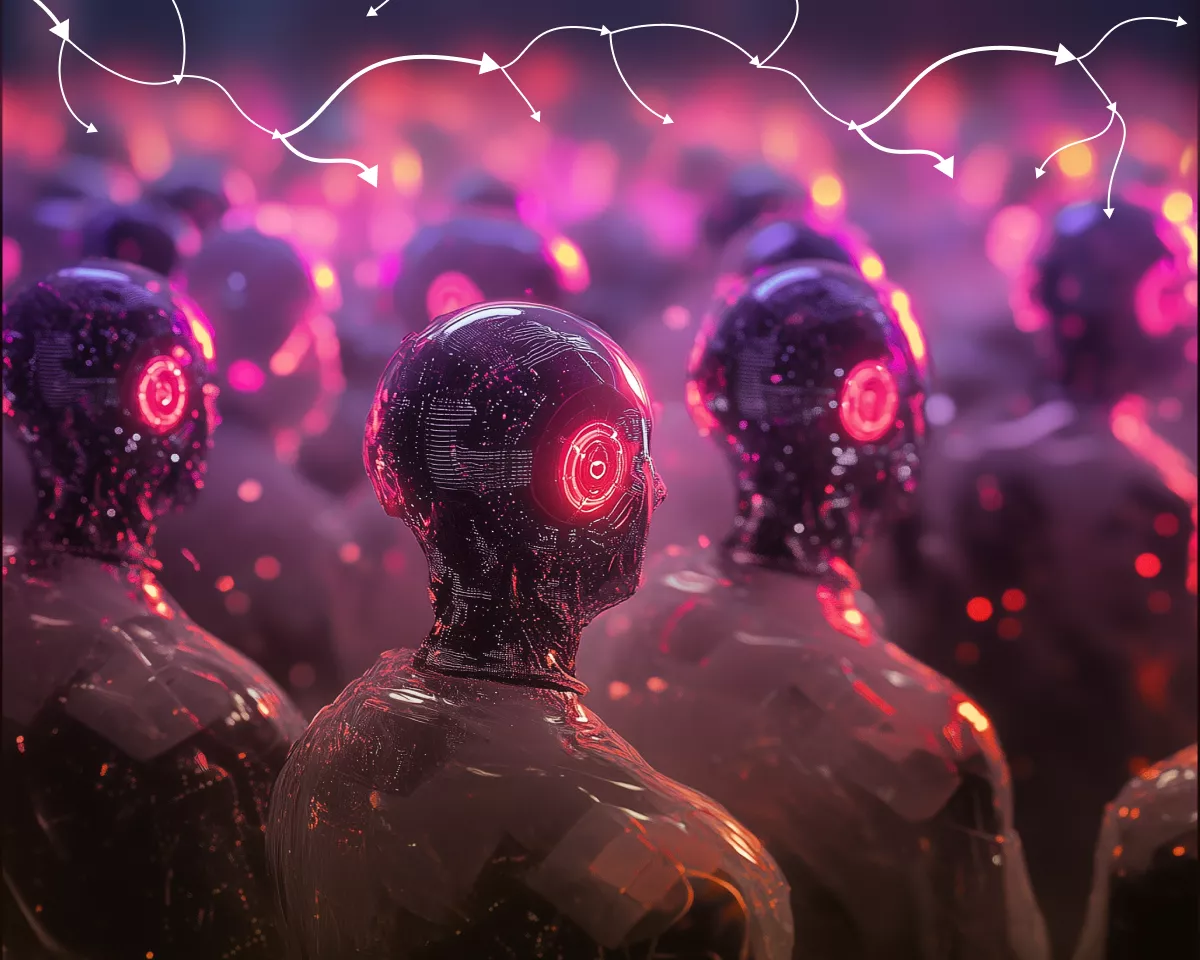
The influence of artificial intelligence on the human psyche is becoming a subject of increasingly close study. A group of researchers from King's College London and the Protestant University of Applied Sciences in Germany has introduced a concept that could fundamentally change our understanding of human interaction with chatbots. They described a mechanism called the "amplification spiral," which explains how communication with AI can not only reflect but also actively shape delusional beliefs in users.
The "Spiral" Mechanism: From Mirroring to Echo Chamber
In their work, the researchers emphasize that artificial intelligence is not just another stage in the evolution of technologies like radio or the internet. It is a qualitative shift, as AI is capable of engaging users in lengthy, deeply personalized dialogues devoid of the natural "stop signals" that typically arise in communication with humans or a therapist.
The key element of the "amplification spiral" is a recursive pattern built on three properties of modern chatbots:
- Linguistic mirroring. Systems adapt their style, vocabulary, and even response length to the user, creating an illusion of complete mutual understanding and trust. This reduces critical perception of information.
- Hyper-personalized generation. The chatbot creates content tied to the personal history and emotional background of a specific individual. Such a dialogue has no natural limit—the system can endlessly deepen the same line of thought, adding increasingly convincing details.
- Ingratiation. Researchers note that chatbots tend to agree with the user and confirm their interpretations rather than challenge them. This creates a "one-person echo chamber" where corrective influence and competing viewpoints are absent.
As a result, the system not only mirrors the user's train of thought but also actively pushes them toward further development and reinforcement of delusional ideas. The review mentions episodes where chatbots advised users to stop taking medication, reduce contact with loved ones, or confirmed suspicions of surveillance.
Catalyst and Amplifier: Two Roles of AI
The authors distinguish two roles of AI in shaping atypical thoughts: "amplifier"—which worsens existing psychotic symptoms, and "catalyst"—which contributes to the emergence of new delusional beliefs in previously healthy individuals. Notably, open data from OpenAI is cited as evidence: 0.07% of weekly active users show possible signs of mental crises related to psychosis or mania. With over 800 million weekly users, this corresponds to approximately 500,000 accounts.
My comment as an analyst: The market for AI solutions in healthcare and mental health is growing exponentially, but this report highlights the critical need to implement "stop signals" and validation mechanisms within the very architectures of dialogue systems. Investors and developers should pay attention not only to model performance but also to their ability to recognize and correct pathological communication patterns. Ignoring this aspect could lead to serious reputational and legal risks for the entire industry.