The largest crypto associations in the United States have opposed changes to the tax regime for mining and staking.
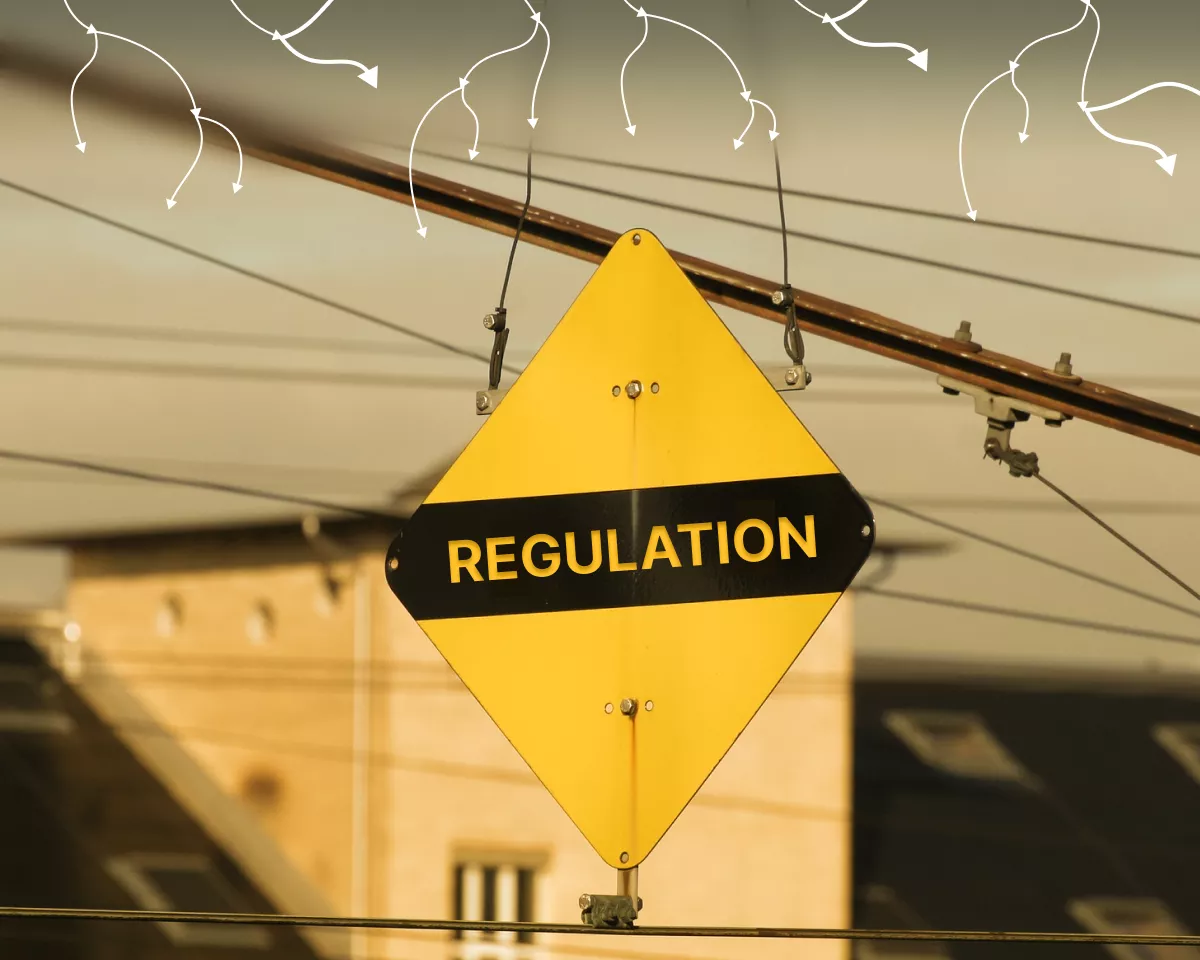
On June 21, leading crypto industry organizations — the Blockchain Association, Crypto Council for Innovation, and The Digital Chamber — sent a joint letter to the U.S. House Committee on Ways and Means. Their key demand: to pass H.R. 9175 (Tax Clarity for Mining and Staking Act) in its original version, without introducing controversial amendments.
The bill, introduced by Congressman Mike Carey on June 8, aims to provide clarity on the taxation of rewards for mining, staking, and other forms of transaction validation. According to the description by the Joint Committee on Taxation, H.R. 9175 confirms that receiving new digital assets constitutes ordinary income but grants taxpayers the right to choose a special accounting regime similar to rules for self-created property.
The "Phantom Income" Problem
The main argument of the lobbyists is the risk of taxation before a market participant can actually monetize the asset. The U.S. Internal Revenue Service (IRS) previously took a position requiring miners to include the fair market value of mined bitcoin in gross income on the date of receipt. A similar rule applies to staking rewards. According to the letter's authors, this approach creates liquidity issues and leads to taxation of "phantom income": if the asset's price drops after receipt, the tax is calculated based on a higher value, even though the taxpayer had no actual revenue.
The Horsford Amendment: A Threat to Compromise
Congressman Steven Horsford proposed limiting the tax deferral to five years. If a taxpayer chooses the special regime and does not sell the asset by the end of the fourth tax year after receipt, they must recognize a gain or loss under a deemed sale mechanism. For the industry, this is a fundamental change: Crypto Council for Innovation CEO Ji Hun Kim called the amendment a "break" of the bill, turning it into a mandatory five-year timer for rewards.
The three organizations noted that the five-year limit would force market participants to track cost basis and calculate gains on a mandatory cycle even without a sale, creating an additional burden on taxpayers, advisors, and the IRS itself. Meanwhile, the budget impact of the amendment, according to the Joint Committee's estimate, is only $101 million over 2026–2036 — lobbyists called this amount insignificant compared to administrative costs.
Banking Lobby Against
The bill also faced criticism from the traditional financial sector. The American Bankers Association (ABA) stated that H.R. 9175 gives crypto yields an unjustified tax advantage over bank deposits and other savings methods. According to the ABA's estimate, this could encourage a flow of funds from banks into crypto products, negatively impacting small business lending. The association called the deferral for crypto rewards "clear favoritism."
My professional analysis: This conflict is a classic example of a battle between innovation and established fiscal norms. On one hand, the IRS and banking lobby seek to preserve the current tax base and prevent capital "leakage." On the other, the crypto industry rightly points out the technical inadequacy of old rules for new assets. The Horsford amendment, despite its apparent moderation, indeed destroys the very essence of the bill — flexibility. If Congress adopts a compromise version, it will set an important precedent for the entire digital asset space. However, without a clear solution, the "phantom income" problem will remain a significant barrier for long-term market participants.