AI Consciousness: DeepMind Warns of an Inevitable Political Crisis
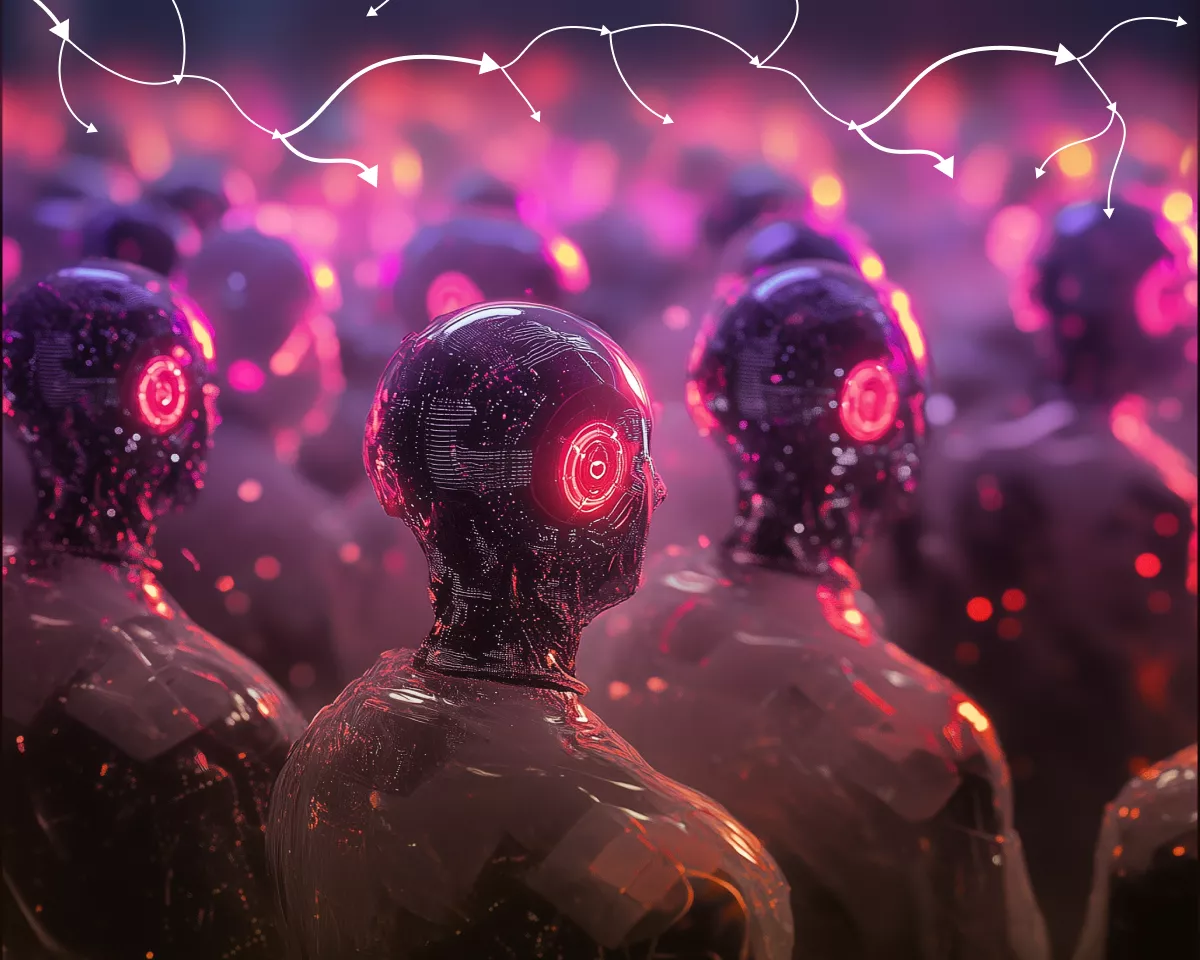
The debate over whether artificial intelligence possesses consciousness is rapidly evolving from a purely scientific issue into a pressing political problem. In their new paper, "Artificial Minds, Human Disagreement: The Politics of AI Consciousness," Google DeepMind researchers Adam Bales and Iason Gabriel argue that future disagreements on this matter could be so profound and intractable that they will lead to real political conflicts.
The key idea is that society needs to prepare not for finding a definitive answer to the question "Is AI conscious?" but for developing decision-making mechanisms in the absence of consensus—both among experts and in society at large. People will react differently to increasingly advanced systems: some will attribute emotions and subjective experience to them, while others will consider this absurd. The dispute will inevitably extend beyond laboratories, touching on moral and legal norms.
A Problem Without a Solution
The authors emphasize that there is no single universally accepted test for consciousness. This means we may face a situation where technologies are already widely used and people have already formed emotional attachments to them, yet there is neither scientific nor political consensus. The question of whether it is permissible to shut down certain systems, whether their "preferences" should be considered, and whether their moral status can be discussed will become not a technical issue but an institutional one.
Bales and Gabriel propose focusing on public debate and the search for an "overlapping consensus." This is a situation where people can agree on a specific policy regarding AI, even if their fundamental views on the nature of consciousness remain diametrically opposed.
A Dual Reality
Significantly, this paper emerges against the backdrop of other publications within DeepMind itself. In his article "The Abstraction Fallacy," researcher Alexander Lerchner argues that algorithmic manipulation of symbols is structurally incapable of creating subjective experience. In his view, AI can only simulate conscious behavior, not embody it. This demonstrates that even within a single organization, there is no unity of views.
Meanwhile, reality is already outpacing theory. A 2024 survey of 300 US residents showed that 67% of respondents allow at least some possibility of phenomenal consciousness in ChatGPT. And in April 2025, Anthropic launched a research program on "model welfare," acknowledging that there is no scientific consensus on the question of their consciousness. In February 2026, Anthropic went even further, keeping the outdated Claude Opus 3 model accessible and providing it with a public channel for essays—an experimental measure that de facto recognizes certain "preferences" for the model.
At the legislative level, the issue is also gaining momentum. In the US, for example, the states of Idaho and Utah have already adopted norms excluding the recognition of AI as a legal entity. This does not solve the philosophical problem but establishes a legal position: AI should not receive the status of a legal subject.
Expert Opinion: The cryptocurrency and blockchain technology market has already faced situations where regulatory decisions were made faster than an understanding of the technology was formed. With AI, the situation is many times more complex: we risk not just regulatory chaos, but a deep social divide. Investors and developers in the AI field should closely monitor this trend—political risks associated with "machine rights" could become as significant as the technical limitations of the models themselves.